


Yoga for Lower Back Support & Space
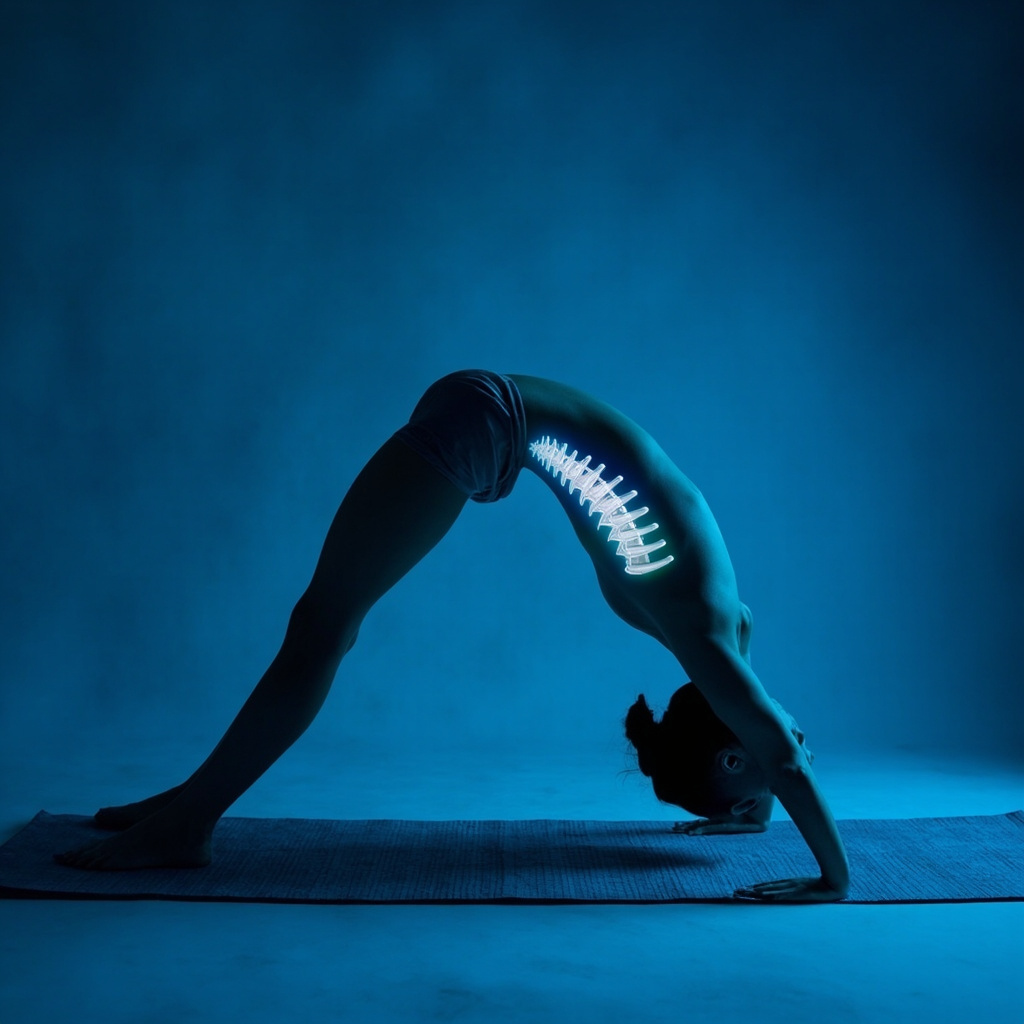
The L2 Vertebra: Your Lower Back Anchor
The L2 vertebra, the second bone in your lower spine, sits in the lumbar region. It bears the weight of your upper body while allowing flexibility for bending and twisting. Healthy L2 ensures smooth nerve signals to the legs and hips, promoting mobility and strength.
When out of balance, it can lead to lower back pain, stiffness, or issues like sciatica, where nerves get pinched. These physical symptoms often tie into daily stresses that strain the spine.
Physical Role of L2
This vertebra protects the spinal cord and supports organs like the kidneys and intestines. It helps maintain posture during activities like walking or lifting. Strong L2 contributes to overall stability, reducing injury risk and enhancing energy flow through the body.
Recent research highlights yoga's role in managing chronic lower back pain. A Cleveland Clinic study found that regular yoga practice reduced pain intensity and improved daily function, making it a safe addition to routine care.
Emotional Connections
The L2 area connects to feelings about personal space and territory. Imbalances here may reflect insecurities, fears of losing control, or lack of support in life. Stress from conflicts or changes can tighten muscles around L2, turning emotional weight into physical discomfort.
Yoga addresses this by combining movement with breath, releasing tension and fostering a sense of grounded security.
Signs of L2 Imbalance
- Persistent lower back ache, worse with prolonged sitting or standing
- Numbness or tingling in hips or thighs
- Difficulty bending forward
- Emotional unease, like feeling invaded or unsupported
If these resonate, gentle yoga can help restore harmony.
Yoga Sequence for L2 Balance
Practice this 15-20 minute routine 3-4 times weekly. Move slowly, breathe deeply, and stop if pain increases. Focus on the lower back with each breath.
Warm-Up: Mobilize the Spine
Cat-Cow Pose (Marjaryasana-Bitilasana)
- On all fours, alternate arching and rounding your back.
- Inhale to cow (drop belly, lift tailbone), exhale to cat (tuck chin, round spine).
- 8-10 rounds. This warms L2, improving flexibility.
Child's Pose (Balasana)
- Kneel, sit back on heels, stretch arms forward.
- Rest forehead down, breathe into lower back.
- Hold 1-2 minutes. Gently stretches lumbar area, calms nerves.
Strengthen and Stabilize
Bridge Pose (Setu Bandhasana)
- Lie on back, feet hip-width, lift hips.
- Squeeze glutes, hold 5 breaths, lower slowly.
- 5-8 reps. Builds support for L2, strengthens core and glutes.
Locust Pose (Salabhasana) Variation
- Lie on belly, lift one leg at a time.
- Keep gaze down, hold 3-5 breaths per side.
- Strengthens back extensors around L2.
Stretch and Release
Sphinx Pose (Salamba Bhujangasana)
- Lie on belly, prop on forearms.
- Lengthen spine, hold 30-60 seconds.
- Supports gentle extension, eases L2 compression.
Seated Forward Bend (Paschimottanasana) Adaptation
- Sit with legs extended, fold forward with straight back.
- Use strap if needed, hold 1 minute.
- Stretches hamstrings, relieving pull on L2.
Pigeon Pose (Eka Pada Rajakapotasana) Gentle
- From all fours, slide one knee forward, extend other leg back.
- Fold over front leg, hold 1 minute per side.
- Opens hips, reduces tension on lumbar spine.
Breathing for Emotional Ease
End with Nadi Shodhana (Alternate Nostril Breathing):
- Sit tall, close right nostril, inhale left.
- Close left, exhale right; inhale right, exhale left.
- 5-10 rounds. Balances nervous system, soothes L2-related stress.
L2 as a Resource
A balanced L2 offers stability and support to the whole body. It enhances mobility, protects nerves, and helps release emotional blocks around security. Use it to ground during challenges, improving overall well-being.
Regular practice builds resilience. Track how your back feels post-session-less tension signals progress. Consult a professional for persistent pain.
This approach draws from yoga therapy principles, tailored to lower back needs.
- 1. drguillermojuliot.com
- 2. youtube.com
- 3. drmaheshbagwe.com
- 4. jasonyoga.com
- 5. facebook.com
- 6. webmd.com
- 7. pmc.ncbi.nlm.nih.gov
- 8. health.harvard.edu
- 9. accelerate-pt.com
- 10. healthline.com
- 11. iasp-pain.org
- 12. facebook.com
- 13. pmc.ncbi.nlm.nih.gov
- 14. journals.sagepub.com
- 15. yogainternational.com
- 16. youtube.com
- 17. healthline.com
- 18. link.springer.com
- 19. consultqd.clevelandclinic.org
- 20. onepeloton.com
- 21. goodrx.com
- 22. sepainandspinecare.com
- 23. youtube.com
- 24. facebook.com
- 25. youtube.com
- 26. passporthealthusa.com
- 27. facebook.com
- 28. facebook.com
- 29. holinahealing.com
- 30. frontiersin.org
- 31. healthline.com
- 32. nz.news.yahoo.com
- 33. mybackmylife.com
- 34. jamanetwork.com
- 35. mississaugaosteopathyclinic.com
- 36. vikasa.com
- 37. compspinecare.com
- 38. facebook.com
- 39. uclahealth.org
- 40. healthline.com
- 41. facebook.com
- 42. withpower.com
- 43. spinehealth.org
- 44. facebook.com
- 45. liforme.com
Related posts
Glossary
- Energy and mind Structures > Focused Coherence; Focus
- Energy and mind Structures > Security
- Body zones > kidneys
- Body zones > muscles
- Body zones > nerves
- Body zones > L2
- Energy and mind Structures > Organs
- TCM Recipes > Back Pain Relief: Easy Remedies for Sciatica & Stiffness
- TCM Recipes > Relieving Lower Back Pain: Simple TCM Remedies
- Energy and mind Structures > movement
- Energy and mind Structures > Stress
- Stimuli > Moon - Nasal Passage, Breathing, Taste
- Stimuli > Sciatica
- Stimuli > Pain
- Binaural beats > Spinal Cord Support: Enhance Wellness and Emotional Balance
- Binaural beats > Nervous System: A Program for Emotional Balance and Relaxation
- Stimuli > Bone
- Stimuli > Lead
- Stimuli > Harmony
see also...
- Energy and mind Structures > HRV
- Energy and mind Structures > Body zones > L2
- Energy and mind Structures > TCM Recipes > Relieving Lower Back Pain: Simple TCM Remedies
- Testimonials > 61% Drop in Nausea and 58% in Headaches from Sound Therapy
- Binaural beats > Stimuli > Sacral, Zinc Etc
- Binaural beats > Transmutation: A Sound Journey for Personal Change