


Right Sacrum: Yoga for Stability & Support
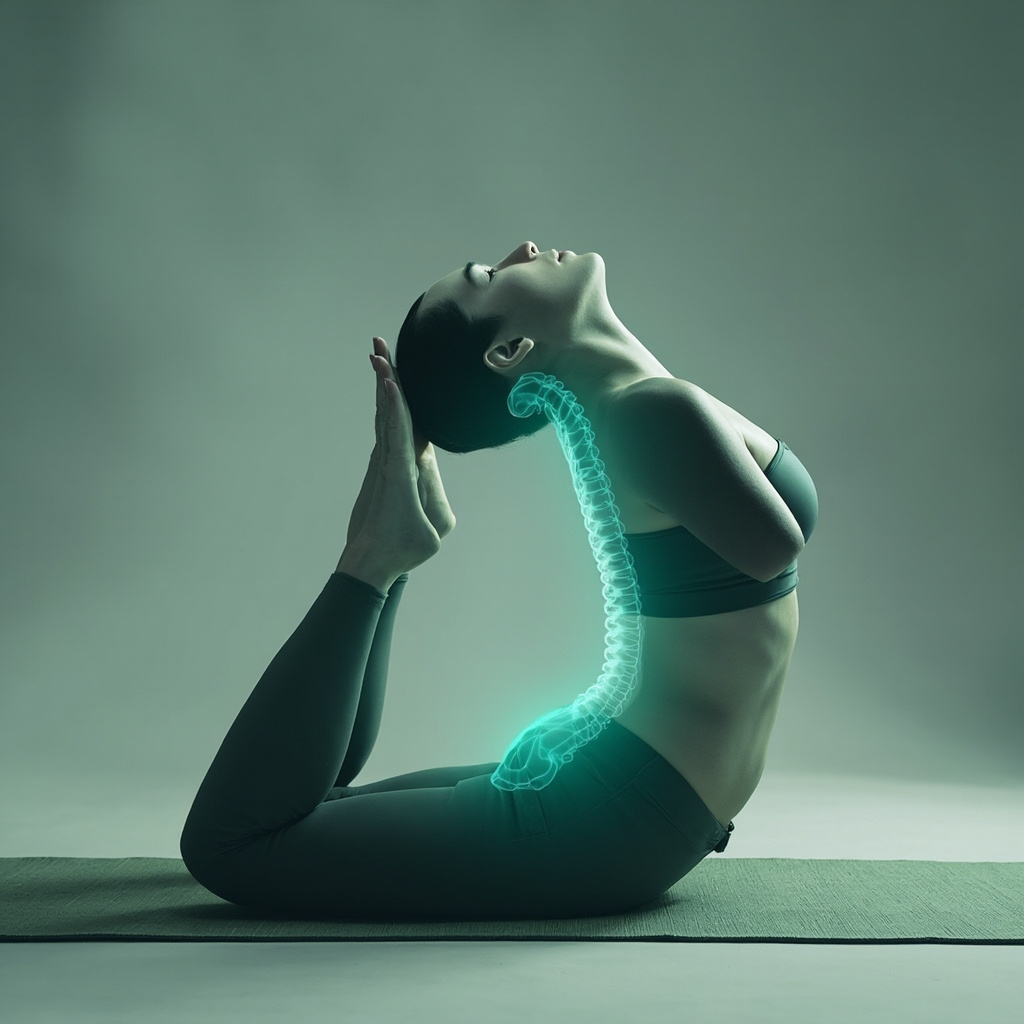
Understanding the Right Sacrum
The right sacrum sits at the base of your spine, where it meets the pelvis on the right side. This joint acts like a sturdy bridge, transferring weight from your upper body to your legs. It ensures stability during walking, standing, and daily activities. When healthy, it promotes fluid motion and strong posture. For more details, see the glossary.
Signs of Physical Imbalance
If the right sacrum is out of alignment, you might notice:
- Lower back pain, especially on one side
- Difficulty shifting from sitting to standing
- Stiffness or reduced hip mobility
- Uneven gait or poor posture
These issues often stem from tight muscles around the hips, glutes, or hamstrings, or from repetitive strain. Yoga helps by gently mobilizing the area and building supportive strength.
Emotional Layer
In body-mind practices, the right side of the sacrum connects to themes of support, authority, and male energies in relationships. Tension here may reflect feelings of lacking backing from others, struggles with figures of power, or needs to claim your own strength. Working with this area through yoga can release these patterns, fostering a sense of grounded security and ease in asserting boundaries.
Yoga Poses to Harmonize the Right Sacrum
Focus on gentle, symmetrical movements first, then target the right side. Breathe deeply, moving with awareness. Practice 3-5 times weekly, holding poses for 5-10 breaths unless noted.
1. Constructive Rest (Prep Pose)
Lie on your back, feet flat on the floor, knees bent. Place a bolster or folded blanket under your knees if needed. Relax hips and let gravity settle the pelvis. Rest 5 minutes. This soothes the joint and releases tension.
2. Supine Figure Four (Glute Release - Right Focus)
Lie on back, cross right ankle over left thigh. Thread hands through to hug left thigh or rest hands on hips. Keep shoulders down. Hold 1 minute, then switch. Stretches right glutes and piriformis, easing pull on the sacrum.
3. Cat-Cow Flow (Spine Mobility)
On hands and knees, wrists under shoulders, knees under hips. Inhale, arch back (Cow: lift tailbone and head). Exhale, round spine (Cat: tuck chin). Flow 8-10 times. Increases lower back flexibility and hip awareness.
4. Pigeon Pose Variation (Right Hip Opener)
From all fours, slide right knee forward behind right wrist, shin diagonal. Extend left leg back. Fold forward gently over right leg. Use props under hip if tight. Hold 1-2 minutes. Deepens hip stretch, stabilizes sacrum.
5. Bridge Pose (Strength Builder)
Lie on back, feet hip-width, knees over ankles. Press feet down, lift hips. Squeeze glutes. Hold 5-10 breaths, 3 rounds. Strengthens glutes, lower back, and core for better joint support.
Breathing for Calm and Connection
Pair poses with Nadi Shodhana (alternate nostril breathing): Sit tall, close right nostril with thumb, inhale left. Close left with ring finger, exhale right. Inhale right, exhale left. 5 rounds. This balances nervous system, reduces stress, and supports HRV for recovery.
Using the Right Sacrum as a Resource
A balanced right sacrum offers:
- Reliable stability for movement
- Pain relief and better mobility
- Emotional grounding in support dynamics
Tune into it during practice: Feel it root you, drawing strength from earth. Over time, notice improved posture, less pain, and greater confidence.
Practice mindfully. If pain persists, consult a professional. These tools draw from yoga therapy principles to nurture your foundation.
- 1. clinicalgate.com
- 2. facebook.com
- 3. yogauonline.com
- 4. fasciaflo.com
- 5. youtube.com
- 6. facebook.com
- 7. yogajournal.com
- 8. yogajournal.com
- 9. spine-health.com
- 10. garnerpelvichealth.com
- 11. yogauonline.com
- 12. beneyoga.co.uk
- 13. yogainternational.com
- 14. fitandwell.com
- 15. bswhealth.com
- 16. yogainternational.com
- 17. instagram.com
- 18. yogauonline.com
- 19. researchgate.net
- 20. yahoo.com
- 21. yogajournal.com
- 22. liforme.com
- 23. youtube.com
- 24. pmc.ncbi.nlm.nih.gov
- 25. painteq.com
- 26. youtube.com
- 27. scienceofmassage.com
- 28. pmc.ncbi.nlm.nih.gov
- 29. surreyphysio.co.uk
- 30. myotonic.org
- 31. facebook.com
- 32. dokumen.pub
- 33. garnerpelvichealth.com
- 34. instagram.com
- 35. yogauonline.com
- 36. youtube.com
- 37. pmc.ncbi.nlm.nih.gov
- 38. facebook.com
- 39. yogajournal.com
- 40. youtube.com
Related posts
Glossary
- Energy and mind Structures > Earth
- Energy and mind Structures > Security
- Energy and mind Structures > Confidence
- Energy and mind Structures > Relax
- Body zones > right
- Body zones > muscles
- TCM Recipes > Back Pain Relief: Easy Remedies for Sciatica & Stiffness
- TCM Recipes > Pain Relief: Soothing Musculoskeletal Pain and Inflammation
- TCM Recipes > Relieving Lower Back Pain: Simple TCM Remedies
- Energy and mind Structures > Stress
- Stimuli > Moon - Nasal Passage, Breathing, Taste
- Stimuli > Pain
- Binaural beats > Nervous System: A Program for Emotional Balance and Relaxation
see also...
- Energy and mind Structures > HRV
- Energy and mind Structures > Body zones > cerebrospinal fluid
- Energy and mind Structures > TCM Recipes > Relieving Lower Back Pain: Simple TCM Remedies
- Testimonials > 61% Drop in Nausea and 58% in Headaches from Sound Therapy
- Binaural beats > Stimuli > Chakra 2 Solar Plexus
- Binaural beats > Transmutation: A Sound Journey for Personal Change