


Pons: Yoga for Breath, Sleep & Balance
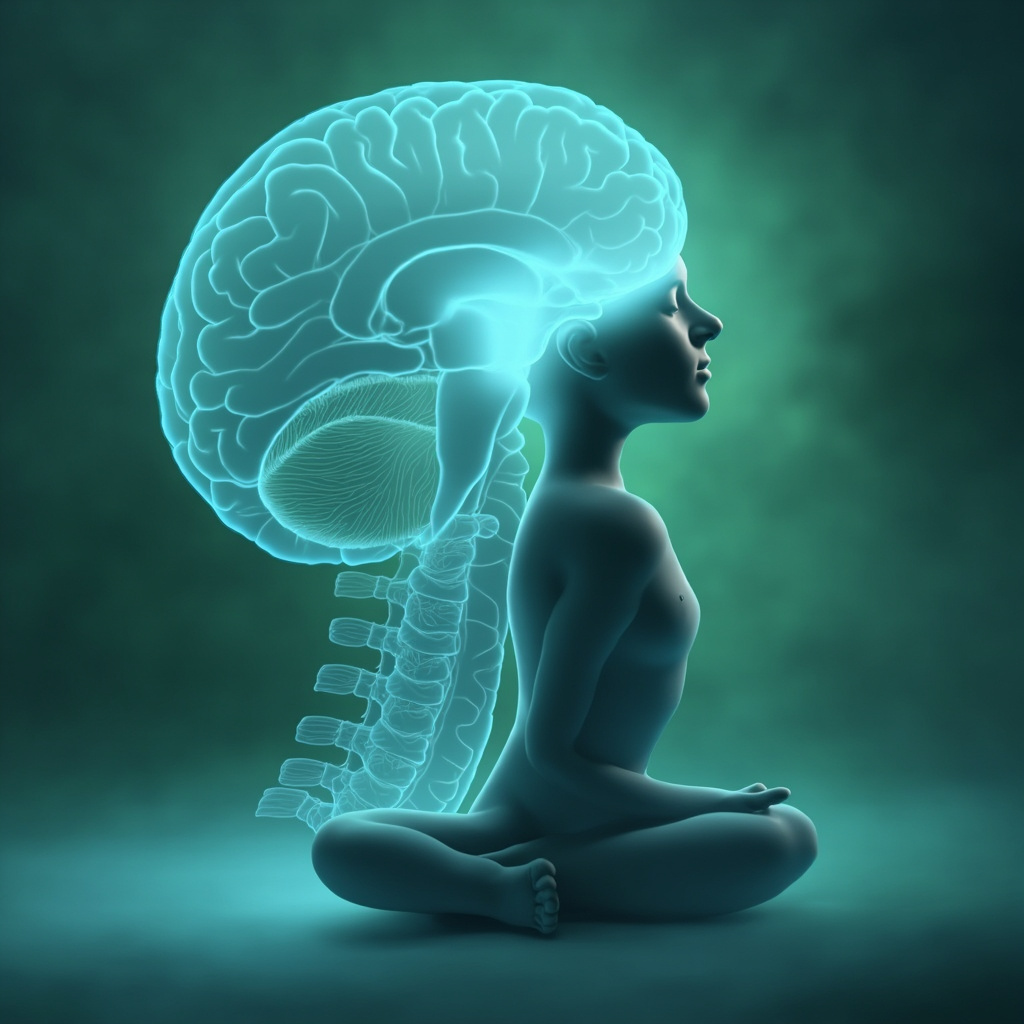
What is the Pons?
The pons sits in the brainstem, connecting the brain to the spinal cord like a busy relay station. This small area handles many basic body functions that keep us going every day. It helps signals travel smoothly, ensuring our body works in sync.
In simple terms, think of the pons as the conductor of essential rhythms. Without it working well, everyday actions like breathing deeply or falling asleep become harder.
Key Functions of the Pons
The pons plays a big role in:
- Sleep regulation: It helps shift between wakefulness and rest.
- Breathing control: Coordinates inhales and exhales for steady rhythm.
- Facial expressions and eye movements: Supports clear communication and focus.
- Balance and posture: Keeps us steady on our feet.
- Swallowing, taste, hearing, and bladder control: Manages these automatic processes.
When balanced, the pons promotes smooth transitions in these areas, fostering overall calm and coordination.
Signs of Pons Imbalance
If the pons is out of sync, you might notice:
- Trouble falling or staying asleep.
- Shallow or irregular breathing, especially under stress.
- Poor balance or coordination.
- Facial tension or weak expressions.
- Issues with swallowing or equilibrium.
These can stem from daily stress, poor posture, or unresolved tensions affecting basic needs.
Emotional Links to the Pons
Beyond the physical, the pons ties into our sense of safety and survival. It connects to deep feelings like fear or the need for rest. Emotional stress around basic functions-such as feeling unsafe or overwhelmed-can show up here. Balancing it supports emotional stability, reducing underlying anxiety and promoting a grounded sense of security.
As a resource, the pons aids other body parts by improving brain-body communication. It ensures restful sleep and even breathing, which ripple out to better mood and resilience.
Yoga for Pons Harmony
Yoga gently supports the pons through mindful movement, breath, and awareness. These practices calm the nervous system, enhance brainstem function, and build coordination. Focus on poses that release tension in the neck, improve posture, and deepen breath.
Recommended Poses
- Child's Pose (Balasana): Kneel, fold forward, arms extended. Rest forehead on the mat. This calms the brainstem, eases sleep issues, and quiets the mind. Hold 5-10 breaths.
- Legs-Up-the-Wall (Viparita Karani): Lie on back, legs up a wall. Supports circulation, relaxes the nervous system, and prepares for deep sleep. Stay 5-15 minutes.
- Cat-Cow Pose (Marjaryasana-Bitilasana): On all fours, alternate arching and rounding the back with breath. Improves spinal flexibility, posture, and breath rhythm linked to the pons.
- Bridge Pose (Setu Bandhasana): Lie on back, lift hips. Strengthens the back, opens the chest for better breathing, and balances brainstem signals.
- Seated Forward Bend (Paschimottanasana): Sit, fold forward over legs. Releases neck and back tension, promoting calm and equilibrium.
Practice slowly, syncing movement with breath to target pons functions.
Breathing Exercises to Tune the Pons
Breath directly influences the brainstem. Try these:
- Alternate Nostril Breathing (Nadi Shodhana): Close right nostril, inhale left; close left, exhale right. Repeat 5-10 rounds. Balances brain hemispheres, steadies respiration, and calms emotions.
- 4-7-8 Breathing: Inhale 4 counts, hold 7, exhale 8. Activates relaxation, aiding sleep regulation.
Building a Daily Practice
Start with 10-20 minutes daily. Notice how breath deepens and sleep improves. In BioCoherence, pons biomarkers (/body/54-pons) reveal its energy, agitation, and links, guiding tailored yoga for your needs.
Combine poses with breathwork for best results. Over time, feel more balanced, rested, and secure. Yoga nurtures the pons, enhancing life's essential rhythms.
- 1. pmc.ncbi.nlm.nih.gov
- 2. researchgate.net
- 3. facebook.com
- 4. psypost.org
- 5. mdpi.com
- 6. pmc.ncbi.nlm.nih.gov
- 7. youtube.com
- 8. sciencedaily.com
- 9. news-medical.net
- 10. frontiersin.org
- 11. sciencedaily.com
- 12. youtube.com
- 13. doyou.com
- 14. simplypsychology.org
- 15. pmc.ncbi.nlm.nih.gov
- 16. clinicaltrials.ucsd.edu
- 17. pmc.ncbi.nlm.nih.gov
- 18. e-jmd.org
- 19. elifesciences.org
- 20. frontiersin.org
- 21. pmc.ncbi.nlm.nih.gov
- 22. frontiersin.org
- 23. thebehaviorhub.com
- 24. unm.edu
- 25. insighttimer.com
- 26. socialsci.libretexts.org
- 27. pmc.ncbi.nlm.nih.gov
- 28. thriva.co
- 29. jscimedcentral.com
- 30. frontiersin.org
- 31. pmc.ncbi.nlm.nih.gov
- 32. yogibanker.com
- 33. youtube.com
- 34. communities.springernature.com
- 35. yogauonline.com
- 36. youtube.com
- 37. researchgate.net
Related posts
Glossary
- Energy and mind Structures > Focused Coherence; Focus
- Energy and mind Structures > Regulation
- Energy and mind Structures > Communication
- Energy and mind Structures > Security
- Body zones > pons
- Body zones > chest
- TCM Recipes > Circulation: Boost Energy and Warm Your Extremities
- TCM Recipes > Brain Boost: Clear Fog, Improve Focus & Memory
- Energy and mind Structures > sleep
- Energy and mind Structures > equilibrium
- Energy and mind Structures > movement
- Energy and mind Structures > Bodhaka; Taste
- Energy and mind Structures > Stress
- Stimuli > Moon - Nasal Passage, Breathing, Taste
- Stimuli > AIDS
- Binaural beats > Spinal Cord Support: Enhance Wellness and Emotional Balance
- Binaural beats > Nervous System: A Program for Emotional Balance and Relaxation
- Stimuli > Bladder
see also...
- Energy and mind Structures > HRV
- Energy and mind Structures > Body zones > substantia nigra
- Energy and mind Structures > TCM Recipes > Boost Energy: A Simple Remedy for Low Energy and Fatigue
- Binaural beats > Stimuli > Nasturtium
- Binaural beats > Transmutation: A Sound Journey for Personal Change
- Testimonials > 61% Drop in Nausea and 58% in Headaches from Sound Therapy