


The Respiratory System: Finding Breath in Times of Overwhelm
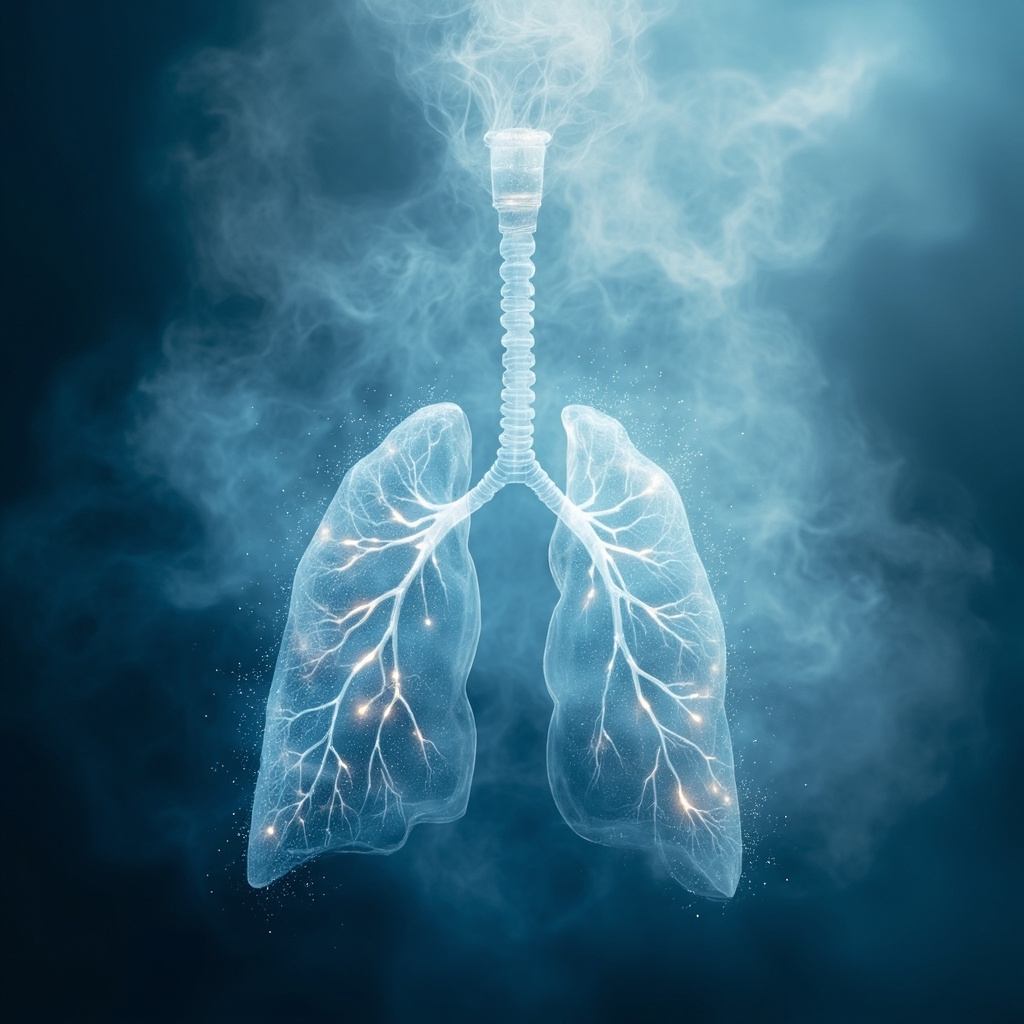
As a Jungian psychotherapist, I often observe that our bodies are the most honest storytellers we possess. When we speak of the respiratory system, we are not just discussing the mechanics of lungs, airways, and oxygen exchange. We are talking about the rhythm of life itself-the very first act we perform upon entering this world and the last one we take before leaving it. In my work, I see the breath as a primary mirror for the psyche.
The Breath as an Emotional Mirror
Have you ever felt a sudden tightness in your chest during a moment of stress? Or perhaps a sensation of being unable to take a full, deep breath when facing a difficult life transition? This is rarely just a physical event.
In the language of the unconscious, respiratory patterns are deeply connected to our sense of safety and our relationship with the world around us. When we feel overwhelmed, unsupported, or stifled by our circumstances, the body often reacts by restricting our breathing. It is as if the psyche is holding onto a fear of death or a sense of suffocation, creating a physical barrier to match the emotional weight we are carrying.
I often work with clients who experience these sensations as a signal-a call to look at what in their life feels like a threat to their 'territory' or their sense of self. These are not merely symptoms to be suppressed; they are invitations to explore unresolved conflicts that have lodged themselves within our physical structure.
Moving from Restriction to Resource
When we look at the respiratory system through the lens of data and electrical activity, we can see exactly where the energy is blocked or agitated. By identifying these patterns, we can consciously shift our state.
When the respiratory system is functioning in balance, it is our most powerful resource. It ensures every cell in your body receives the oxygen it needs to thrive. But beyond the biological, it provides a rhythmic anchor for the mind. By using targeted frequencies to harmonize this structure, we can guide the body out of a state of survival-based constriction and into a state of expansive flow.
Integrating the Breath into Your Inner Journey
Healing is not about forcing the body to change; it is about listening to what it is trying to communicate. If you find yourself struggling with feelings of being trapped or unsupported, I encourage you to use your breath as a tool for shadow work.
Next time you feel that familiar tightness, try to observe it without judgment. Ask yourself: What is it that I am trying to hold back? What am I afraid to let out? By directing your attention to your breathing, you begin to bridge the gap between your physical sensations and your unconscious patterns.
Through simple, consistent practice, you can transform the respiratory system from a site of stress into a sanctuary of clarity and calm. This is the essence of self-tuning: recognizing that when we change the rhythm of our breath, we change the rhythm of our entire internal environment. You are not just breathing air; you are breathing life into your own process of individuation, allowing your body to support your journey toward a more integrated, conscious self.