


Cortisol: Psyche's Stress Echo Revealed
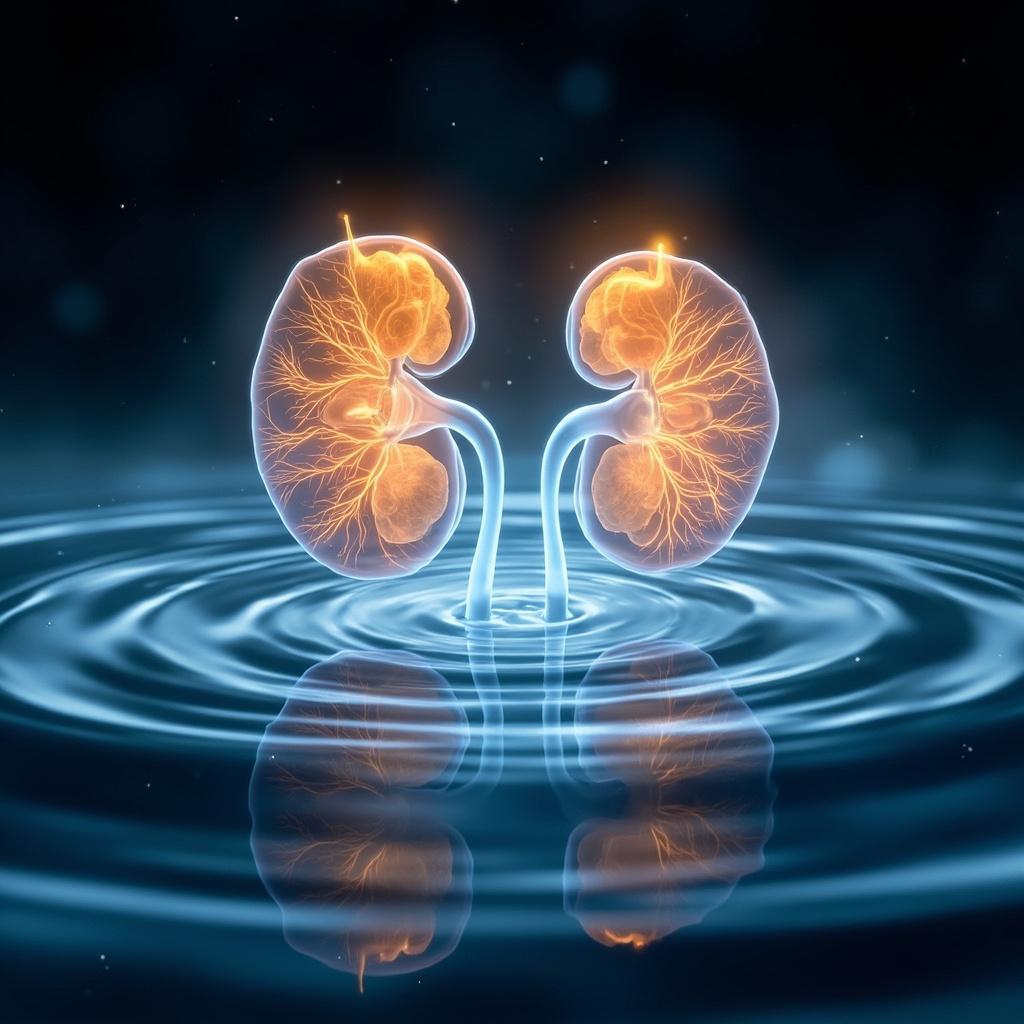
Cortisol: The Body's Inner Alarm
Cortisol is a hormone made by the adrenal glands, small organs sitting atop the kidneys. Think of it as your body's natural responder to stress. In short bursts, it gives you energy to handle challenges, like boosting blood sugar for quick fuel or curbing inflammation after injury. It also helps form memories and keeps blood pressure steady.
When working right, cortisol supports daily rhythms, peaking in the morning to wake you up and dipping at night for rest. But constant high levels wear you down, leading to fatigue, weight gain around the middle, weak muscles, or even high blood pressure. Too little, and you might feel dizzy or overwhelmed by minor stresses.
Signs of Cortisol Imbalance
You might notice:
- Persistent tiredness, no matter how much you sleep
- Trouble focusing or remembering things
- Cravings for sweets or salty foods
- Frequent infections, as immunity drops
- Mood shifts, like irritability or anxiety
These are the body's cries for attention. For more details, see the cortisol glossary.
The Emotional Shadow Behind Cortisol
From a Jungian view, cortisol is more than chemistry-it's a messenger from the psyche. Elevated levels often echo chronic stress, fear, or feeling trapped by life's demands. Imagine the unconscious signaling unresolved conflicts: old traumas, suppressed anger, or the weight of unmet needs. These create an inner storm, where the body holds the psyche's tension.
Biological decoding points to emotions like being overwhelmed or facing endless threats. This isn't just 'stress'-it's the shadow self knocking, urging integration. Dreams might amplify this, showing floods or chases as metaphors for cortisol surges. Listening here opens doors to healing.
Cortisol as a Hidden Strength
Balanced cortisol becomes a resource. It steadies metabolism during tough times, keeps blood sugar even, and bolsters immunity under pressure. In therapy, we call on it to build resilience-like an anchor amid psyche's waves. It supports other organs, fostering stability as you face challenges.
Paths to Harmonizing Cortisol
Restoring balance starts with awareness. Simple steps include:
- Deep breathing or walks in nature to signal safety to your body
- Mindful pauses to observe thoughts without judgment
- Journaling dreams to unpack unconscious patterns
Recent research backs inner practices. A study found mindfulness meditation lowered hair cortisol levels, easing anxiety and perceived stress in workers. Sound therapy shows promise too: exposure to certain frequencies, like 528 Hz, reduced cortisol while boosting feel-good hormones.
These align with Jungian work-active imagination or visualization tunes the psyche, mirroring biomarker shifts. Track your own patterns: notice when fatigue hits, and explore the emotion beneath.
Biomarkers: Windows to the Unconscious
In practices like BioCoherence, cortisol data from body electrical readings acts as a mirror. It reveals energy levels, agitation, and psyche links. High agitation might flag inner fears; low energy, depleted reserves.
When cortisol is a priority, guided sessions draw attention to it, using words to invite calm: "Feel your adrenal allies steadying you amid the storm." As a resource, it resonates to support balance.
This biomarker guides shadow work and trauma integration, tracking progress toward wholeness. Pair it with dream insights for profound shifts.
Toward Inner Harmony
Cortisol invites dialogue between body and soul. By honoring its messages, you step into individuation-self-realization through tension's embrace. Start small: breathe, reflect, heal. Your psyche awaits.
- 1. healthline.com
- 2. reddit.com
- 3. healthline.com
- 4. frontiersin.org
- 5. jmchemsci.com
- 6. pmc.ncbi.nlm.nih.gov
- 7. instagram.com
- 8. pmc.ncbi.nlm.nih.gov
- 9. healthline.com
- 10. youtube.com
- 11. web.stanford.edu
- 12. concussionalliance.org
- 13. pmc.ncbi.nlm.nih.gov
- 14. drclarkstore.com
- 15. facebook.com
- 16. instagram.com
- 17. researchgate.net
- 18. healthline.com
- 19. sciencedirect.com
- 20. healthline.com
- 21. ctcd.edu
- 22. scirp.org
- 23. healthline.com
- 24. pubmed.ncbi.nlm.nih.gov
- 25. facebook.com
- 26. healthline.com
- 27. journals.lww.com
- 28. medium.com
- 29. medicalnewstoday.com
- 30. karger.com
- 31. psychologytoday.com
- 32. mdpi.com
- 33. ucdavis.edu
- 34. michiganhealthandwellness.com
- 35. healthline.com
- 36. tandfonline.com
- 37. globalwellnessinstitute.org
- 38. medicalnewstoday.com
- 39. sciencedirect.com
Related posts
Glossary
- Energy and mind Structures > Immunity
- Body zones > hair
- Body zones > hormones
- Body zones > cortisol
- Body zones > kidneys
- Body zones > muscles
- Body zones > face
- Energy and mind Structures > Organs
- TCM Recipes > Stress Relief for High Blood Pressure: A TCM Approach
- TCM Recipes > Adrenal Support: Remedies for Fatigue and Stress
- TCM Recipes > Boost Your Energy: A TCM Recipe for Fatigue Relief
- Energy and mind Structures > blood pressure
- Energy and mind Structures > Theta; 4.31-6.97 Hz. Light sleep, meditation.
- Energy and mind Structures > Stress
- Stimuli > Cortisol
- Binaural beats > Inflammation Relief: Heal Faster with Binaural Beats
- Stimuli > Blood
- Stimuli > GAPDH, Metabolism
see also...
- Energy and mind Structures > HRV
- Energy and mind Structures > Body zones > thoracic
- Energy and mind Structures > TCM Recipes > Tension Headache Relief: A Natural Approach to Ease Stress
- Testimonials > 61% Drop in Nausea and 58% in Headaches from Sound Therapy
- Binaural beats > Stimuli > Chakra Throat
- Binaural beats > Desensitizer: Boost Your Energy and Focus Effectively