


Breathe Easy: Finding Calm and Clarity Within
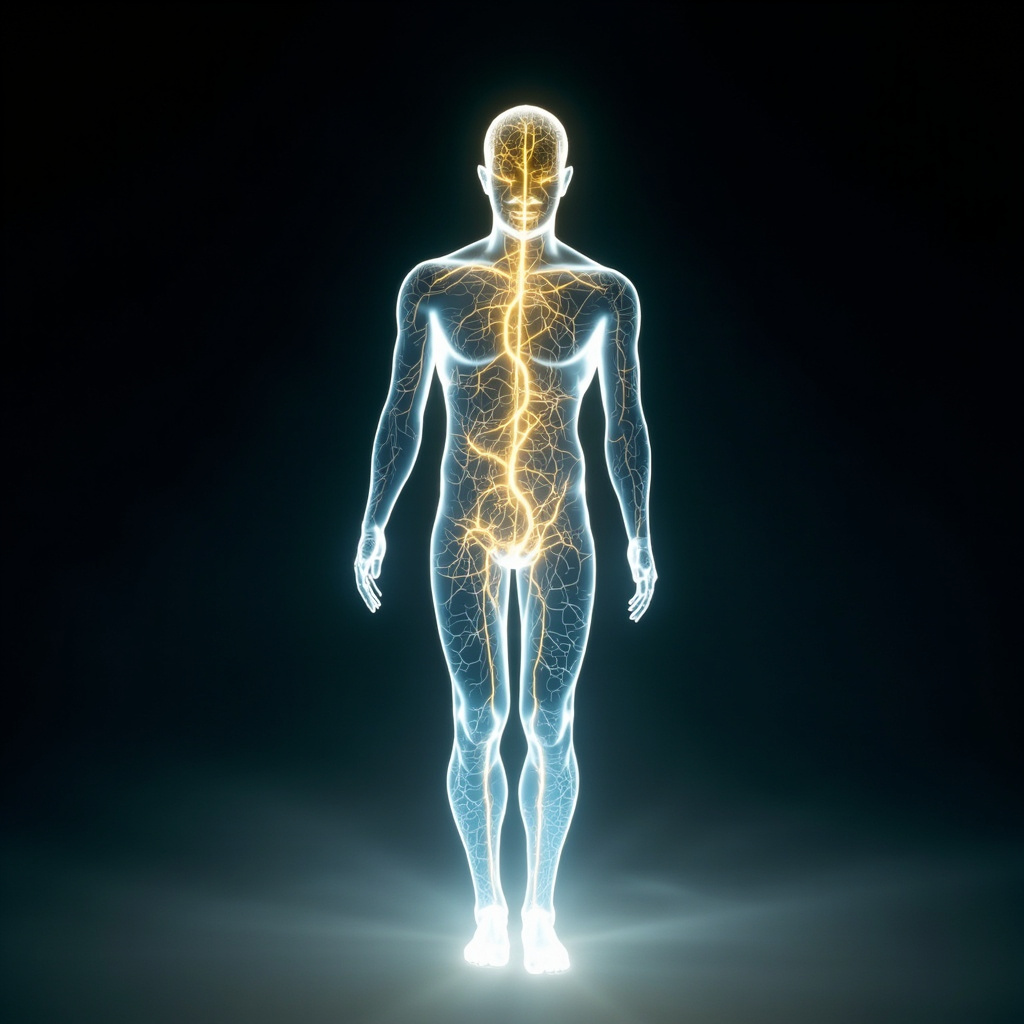
As a psychologist, I often observe how the state of our mind is mirrored in the way we breathe. When we are caught in the grip of stress, anxiety, or even the subtle physical discomfort of seasonal sensitivities, our breathing often becomes shallow, restricted, or quick. This is not just a symptom; it is a signal from your nervous system that it is struggling to find its rhythm.
The Connection Between Breath and Emotions
When we speak of emotional regulation, we are essentially talking about the ability to return to a state of balance after being triggered. The way we breathe is one of the most powerful tools we have to influence this process. Scientific research consistently shows that slow, intentional breathing patterns can stimulate the vagus nerve, a key component of our rest-and-digest system. By shifting our breathing, we can physically command our body to move from a state of high-alert stress into a state of calm and clarity.
In my practice, I look at physiological data to understand how these patterns manifest. We often see that when someone feels overwhelmed, their heart rate variability, or HRV, drops. HRV is a measure of the variation in time between each heartbeat, and it serves as a reliable window into how resilient your nervous system is. A higher, more flexible HRV generally indicates that you are better equipped to handle stress and maintain emotional composure.
Understanding Your Body's Signals
Sometimes, our internal balance is disrupted by factors we cannot even see, such as environmental stressors or the subtle inflammation associated with allergies. These inputs can create a background hum of agitation in the body. You might feel it as a tightness in the chest, a restless mind, or a sense of being 'off.'
When we analyze the body's electrical activity, we look for these specific signals. By identifying where the body is holding onto tension, we can use targeted frequencies to help the system 're-tune' itself. Think of this as gently nudging a musical instrument back into harmony. When the body is supported in this way, the mind often follows, allowing for a deeper sense of vitality and ease.
Practical Steps Toward Inner Ease
If you are feeling the weight of daily pressures or struggling with the physical tension that often accompanies environmental sensitivities, consider these approaches to support your nervous system:
- Conscious Observation: Throughout the day, take a moment to simply notice your breath without trying to change it. Is it shallow? Is it centered in your chest or your belly? Awareness is the first step toward change.
- Rhythmic Pacing: Try to extend your exhalation so that it is longer than your inhalation. This simple shift sends a direct message to your brain that you are safe, helping to lower heart rate and reduce feelings of anxiety.
- Sensory Grounding: When you feel scattered, engage your senses. Focus on the sensation of air entering your nostrils, the coolness of the breath, and the gentle expansion of your ribcage. This anchors you in the present moment.
A Path to Resilience
Finding emotional balance is not about eliminating stress entirely, as that is impossible. Instead, it is about building the capacity to navigate life's challenges with more grace. By using tools that support your body's natural frequencies and focusing on the breath, you can create a foundation of stability.
When we align our physical state-through techniques like harmonic resonance or guided meditative focus-with our emotional needs, we unlock a new level of self-awareness. It allows us to move beyond the reactive patterns that keep us stuck and into a space of intentional living. Remember that your breath is always with you, a constant, reliable anchor that you can return to whenever you need to find your center, clear the fog, and reclaim your sense of peace.
Related posts
Glossary
- Energy and mind Structures > Focused Coherence; Focus
- Energy and mind Structures > Sensation
- Body zones > senses
- Body zones > chest
- TCM Recipes > Allergy Relief: Ease Anxiety and Allergic Symptoms
- Energy and mind Structures > Stress
- Stimuli > Moon - Nasal Passage, Breathing, Taste
- Binaural beats > Inflammation Relief: Heal Faster with Binaural Beats
- Binaural beats > Nervous System: A Program for Emotional Balance and Relaxation
- Stimuli > Stimulate
- Stimuli > Harmony
- Stimuli > Heart
- Stimuli > Brain
see also...
- Energy and mind Structures > HRV
- Energy and mind Structures > Body zones > substantia nigra
- Energy and mind Structures > TCM Recipes > Allergy Relief: Ease Anxiety and Allergic Symptoms
- Testimonials > 61% Drop in Nausea and 58% in Headaches from Sound Therapy
- Binaural beats > Stimuli > Hives
- Binaural beats > Transmutation: A Sound Journey for Personal Change