


Fischoederius elongatus: Gut Harmony & Calm Mind
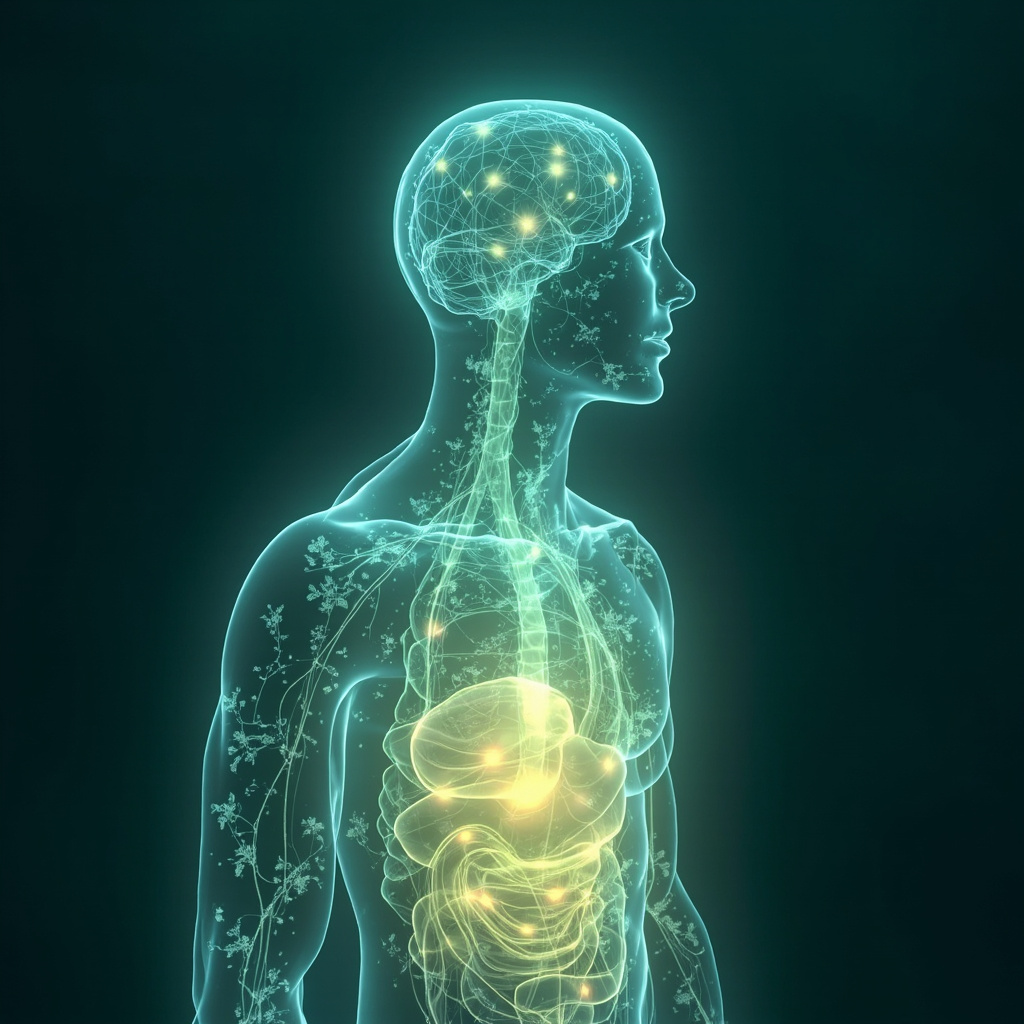
Understanding Fischoederius elongatus
Fischoederius elongatus is a small organism picked up in the body's electrical signals during assessments. It mainly affects the gastrointestinal system, settling in areas like the intestines. This tiny presence can stir up trouble by releasing toxins that mess with normal digestion processes. Think bloating, discomfort, or irregular bowel movements. While more common in animals like cattle, its signature shows up in human scans too, hinting at hidden imbalances.
In simple terms, it's like an uninvited guest disrupting your inner digestive flow. When active, it can lead to ongoing gut distress, making you feel sluggish or uneasy after meals. For more details, check the glossary.
Physical Signs of Imbalance
When Fischoederius elongatus is out of sync, common symptoms include:
- Digestive upset: Cramps, gas, or diarrhea from toxin interference.
- Nutrient struggles: Poor absorption, leading to fatigue or weakness.
- Intestinal irritation: Inflammation that lingers, affecting overall energy.
These issues don't always scream loudly. Sometimes, they hide as vague discomfort, slowly draining vitality. Studies on similar gut dwellers show they thrive in stressed environments, worsening the cycle.
The Gut-Brain Emotional Link
As a psychologist, I see the deep connection between gut health and emotions. The gut hosts millions of nerves talking directly to the brain-this is the gut-brain axis. Disruptions like those from Fischoederius elongatus can send signals upward, stirring restlessness or low spirits.
Research links parasitic gut activity to heightened anxiety and mood dips. Toxins inflame the system, mimicking stress responses. This ties into heart rate variability (HRV), a key marker I track. Low HRV signals poor emotional regulation, often alongside gut woes. Clients report feeling on edge, foggy, or irritable when digestion falters.
Imagine: poor gut harmony ramps up inflammation, which tweaks brain chemicals like serotonin-mostly made in the gut. Result? Emotional agitation or dulled focus. It's no coincidence gut troubles often pair with stress or blues.
Spotting the Emotional Echoes
Listen to your body:
- Gut pangs with sudden worry?
- Bloating alongside scattered thoughts?
- Fatigue fueling negativity?
These patterns suggest checking deeper. In my work, high agitation biomarkers align with digestive signals. Chronic gut stress burdens the sympathetic nervous system, our fight-or-flight mode, blocking calm.
Turning It Into a Resource
The good news: Fischoederius elongatus holds balancing potential. When aligned, it supports:
- Smooth digestion: Clearing toxins for steady nutrient flow.
- Energy boost: Less drain, more daily vigor.
- Emotional steadiness: A harmonious gut fosters resilient moods.
By focusing on its natural frequencies, we guide the body toward equilibrium. This enhances HRV, signaling better stress handling. Paired with relaxation practices like deep breathing, it builds resilience.
Practical Steps for Balance
Start simple:
- Track patterns: Note gut feelings and moods in a journal.
- Nourish wisely: Favor fiber-rich foods, probiotics for gut allies.
- Ease stress: Short mindfulness sessions lower inflammation.
- Move gently: Walks aid digestion and clear the mind.
For those with scans showing this organism, targeted support restores flow. I've seen clients shift from gut-emotional loops to clarity and poise.
Why It Matters for Well-Being
Balancing Fischoederius elongatus isn't just about the gut-it's emotional freedom. A settled digestive system quiets the mind, sharpens focus, and lifts spirits. In our fast world, honoring these signals unlocks deeper health.
Reflect: How does your gut speak to your emotions? Tuning in opens paths to lasting calm.
- 1. parahostdis.org
- 2. sciencedirect.com
- 3. agris.fao.org
- 4. theconversation.com
- 5. ouci.dntb.gov.ua
- 6. franciscanhealth.org
- 7. facebook.com
- 8. medschool.umaryland.edu
- 9. austinholisticdr.com
- 10. picower.mit.edu
- 11. sciencedirect.com
- 12. webmd.com
- 13. sciencedaily.com
- 14. pmc.ncbi.nlm.nih.gov
- 15. ethesisarchive.library.tu.ac.th
- 16. si.edu
- 17. facebook.com
- 18. naturedoc.com
- 19. uclahealth.org
- 20. pmc.ncbi.nlm.nih.gov
- 21. mdpi.com
- 22. researchgate.net
- 23. usnews.com
- 24. vaughanvitality.com
- 25. pmc.ncbi.nlm.nih.gov
- 26. pmc.ncbi.nlm.nih.gov
- 27. hopkinsmedicine.org
- 28. nature.com
- 29. onlinelibrary.wiley.com
- 30. news.berkeley.edu
- 31. complete.bioone.org
- 32. bioone.org
- 33. mydoctor.kaiserpermanente.org
- 34. onlinelibrary.wiley.com
- 35. stripes.com
- 36. pubmed.ncbi.nlm.nih.gov
- 37. serenitywellnessandcounseling.com
- 38. nature.com
- 39. pharmacytimes.com
- 40. pmc.ncbi.nlm.nih.gov
- 41. researchgate.net
- 42. wincloveprobiotics.com
Related posts
Glossary
- Energy and mind Structures > Focused Coherence; Focus
- Energy and mind Structures > Regulation
- Energy and mind Structures > Fischoedrius elongatus
- Body zones > nerves
- TCM Recipes > Digestive Relief: A Simple Guide to Ease Bloating & Indigestion
- TCM Recipes > Brain Boost: Clear Fog, Improve Focus & Memory
- TCM Recipes > Boost Your Energy: A TCM Recipe for Fatigue Relief
- Energy and mind Structures > vitality
- Energy and mind Structures > toxins
- Energy and mind Structures > equilibrium
- Energy and mind Structures > Digestion
- Energy and mind Structures > Stress
- Stimuli > Adenovirus type 4, human
- Stimuli > Moon - Nasal Passage, Breathing, Taste
- Binaural beats > Inflammation Relief: Heal Faster with Binaural Beats
- Binaural beats > Bowel Harmony: Enhancing Digestive Health and Balance
- Stimuli > Lead
- Stimuli > Harmony
see also...
- Energy and mind Structures > HRV
- Energy and mind Structures > Body zones > plasma
- Energy and mind Structures > TCM Recipes > Tension Headache Relief: A Natural Approach to Ease Stress
- Testimonials > 61% Drop in Nausea and 58% in Headaches from Sound Therapy
- Binaural beats > Stimuli > Sacral, Zinc Etc
- Binaural beats > Bowel Harmony: Enhancing Digestive Health and Balance