


Ascaris Larvae: Gut Distress & Anxiety
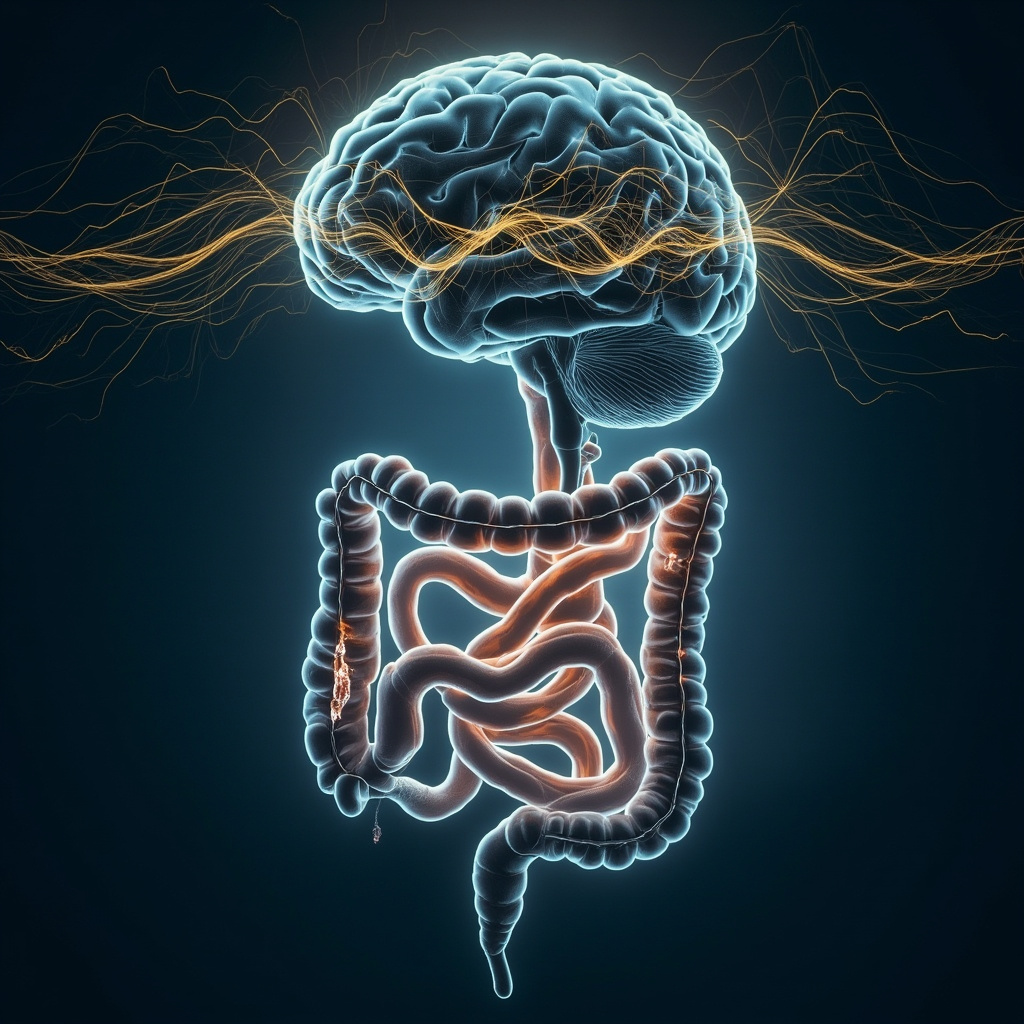
Abdominal cramps, nagging fatigue, and a vague sense of unease might point to Ascaris larvae, tiny roundworm offspring that travel through the intestines and lungs. These parasites inflame tissues and block passages, creating physical strain that echoes in the mind. Explore the glossary entry for deeper insights into this biomarker detected through body electrical activity scans.
Common Physical Signs
When out of harmony, Ascaris larvae disrupt daily comfort:
- Gut irritation: Pain, nausea, bloating, or diarrhea from inflammation and partial blockages.
- Lung journey: Coughing, wheezing, or shortness of breath as larvae migrate, sometimes causing fever.
- Overall drain: Fatigue, poor appetite, and weight loss, especially in heavier loads.
These symptoms sap energy, leaving the body vulnerable and the mind restless.
Emotional Shadows
Physical discomfort rarely stays silent-it stirs anxiety, distress, and stress. The constant gut ache breeds worry, while fatigue dims motivation, mimicking low mood. The mere thought of parasites inside can trigger disgust or fear, amplifying unease.
Research strengthens this link. A 2019 study in Poland found people with Ascaris infections showed higher rates of hyperactivity, nail biting (onychophagia), and tic disorders, especially women and children. Another review across Africa highlighted parasitic infections doubling mental health risks, with anxiety and depression common due to chronic inflammation.
Inflammation from these invaders releases signals like cytokines, tweaking the gut-brain axis-the direct line between belly and brain. This can disrupt heart rate variability (HRV), a key marker of stress resilience I track in emotional health. Low HRV signals poor regulation, where small pains snowball into agitation or focus loss.
The Mind-Body Web
As a psychologist blending emotional care with body signals, I see how gut woes fuel psychological strain. Agitation rises as pain interrupts sleep or work. Stress responses activate the fight-or-flight system, wearing down resilience over time. Biomarkers for Ascaris larvae reveal energy levels, agitation, and relational patterns in the body's electrical flow, spotlighting imbalances.
Unchecked, this cycle deepens: fatigue breeds irritability, anxiety heightens gut sensitivity, and distress clouds clarity. Yet, awareness breaks it-monitoring symptoms alongside mood shifts offers a map to healing.
Shifting to Strength
Balanced Ascaris larvae become a resource, guiding attention to gut health and emotional steadiness. They teach management of discomfort, fostering holistic harmony. In sessions, resonance frequencies target the structure's core, easing tension while guided words invite calm focus.
Practical Steps for Balance
Ease the load with these psychologist-backed approaches:
- Track patterns: Note abdominal pain alongside anxiety spikes or fatigue. Low energy? Check HRV via simple apps or wearables.
- Relaxation tools: Deep belly breaths soothe the vagus nerve, linking gut and calm. Try 5 minutes daily: inhale for 4, hold 4, exhale 6.
- Mindful eating: Support digestion with fiber-rich foods, hydration, and probiotics to crowd out invaders.
- Movement: Gentle walks reduce stress hormones and aid gut motility.
- Biofeedback: Practice coherence breathing to lift HRV, proven to cut agitation.
For chronic signs, consult pros-stool tests confirm presence. Pair with therapy to unpack fear or disgust, building resilience.
Tuning these biomarkers promotes clarity, positivity, and inner peace. Physical relief paves emotional roads, proving body and mind dance as one.
- 1. onlinelibrary.wiley.com
- 2. cdc.gov
- 3. ufhealth.org
- 4. healthline.com
- 5. ncbi.nlm.nih.gov
- 6. science.gov
- 7. pubmed.ncbi.nlm.nih.gov
- 8. medschool.umaryland.edu
- 9. naturedoc.com
- 10. medicine.iu.edu
- 11. manhattangastroenterology.com
- 12. mayoclinic.org
- 13. pdfs.semanticscholar.org
- 14. uniteddigestive.com
- 15. digitalcommons.unl.edu
- 16. my.clevelandclinic.org
- 17. pmc.ncbi.nlm.nih.gov
- 18. link.springer.com
- 19. merckmanuals.com
- 20. dash.harvard.edu
- 21. pmc.ncbi.nlm.nih.gov
- 22. sciencedirect.com
- 23. facebook.com
- 24. health.state.mn.us
- 25. mayoclinic.org
- 26. medindia.net
- 27. webmd.com
- 28. researchgate.net
- 29. researchgate.net
- 30. jstor.org
- 31. frontiersin.org
- 32. jci.org
- 33. govdocs.nebraska.gov
- 34. refubium.fu-berlin.de
Related posts
Glossary
- Energy and mind Structures > Focused Coherence; Focus
- Energy and mind Structures > Regulation
- Energy and mind Structures > Mental
- Energy and mind Structures > Peace
- Energy and mind Structures > Ascaris larvae
- Body zones > hormones
- Body zones > lungs
- Body zones > tissues
- TCM Recipes > Poor Appetite: A TCM Recipe for Digestive Relief
- TCM Recipes > Brain Boost: Clear Fog, Improve Focus & Memory
- TCM Recipes > Boost Your Energy: A TCM Recipe for Fatigue Relief
- TCM Recipes > Digestive Relief: Remedies for Abdominal Pain & Nausea
- Energy and mind Structures > sleep
- Energy and mind Structures > Digestion
- Energy and mind Structures > Stress
- Stimuli > Moon - Nasal Passage, Breathing, Taste
- Stimuli > Fever
- Stimuli > Pain
- Binaural beats > Chronic Inflammation: Healing Through Sound Frequencies
- Binaural beats > Inflammation Relief: Heal Faster with Binaural Beats
- Stimuli > Parasites
- Stimuli > Harmony
see also...
- Energy and mind Structures > HRV
- Energy and mind Structures > Body zones > bones
- Energy and mind Structures > TCM Recipes > Digestive Relief: Remedies for Abdominal Pain & Nausea
- Testimonials > 61% Drop in Nausea and 58% in Headaches from Sound Therapy
- Binaural beats > Stimuli > Sacral, Zinc Etc
- Binaural beats > Desensitizer: Boost Your Energy and Focus Effectively