


Procrastination: Stress or Wise Reflection?
What Is Procrastination?
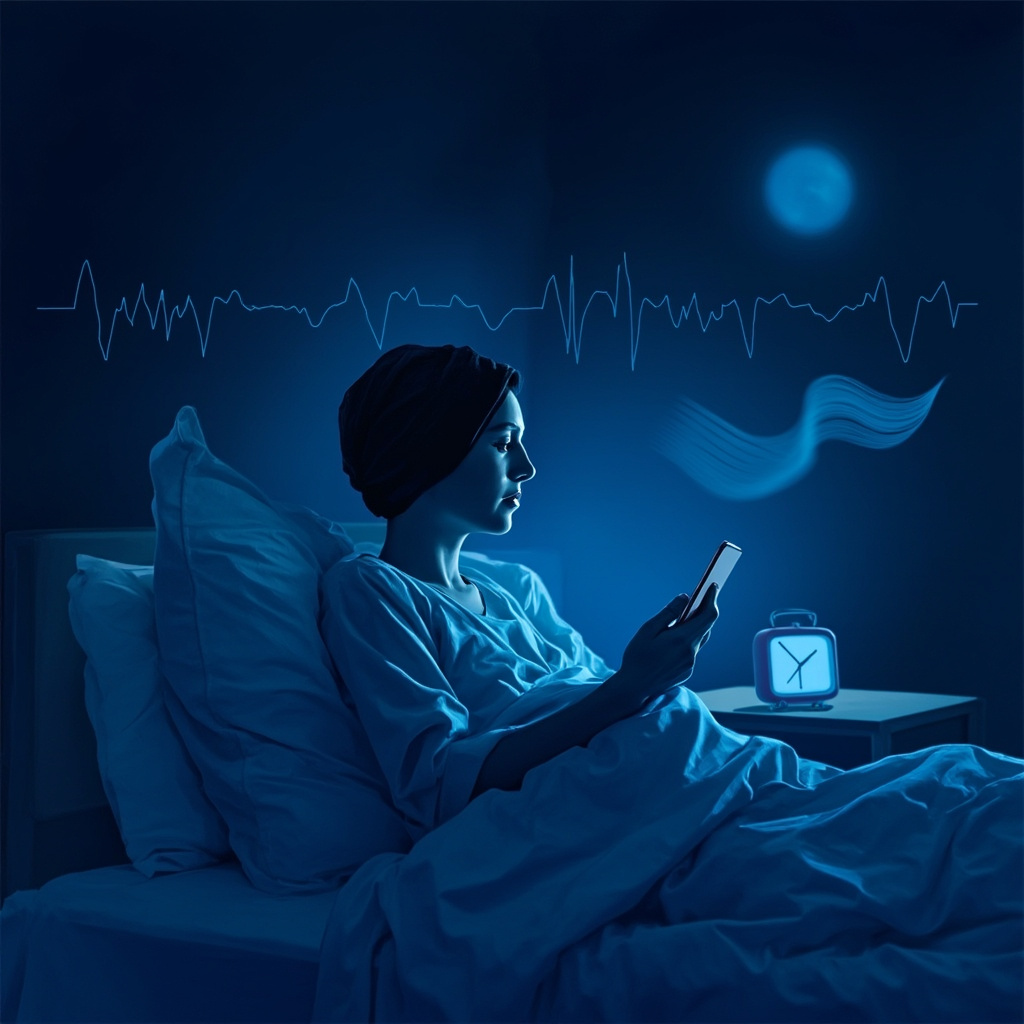
Procrastination happens when we put off tasks we know we should do. It feels good in the moment-choosing comfort over effort-but often leads to guilt, stress, and anxiety later. This common habit affects work, health routines, and even bedtime. Instead of moving forward, we delay, watching time slip away.
In everyday life, it shows up as scrolling social media instead of exercising or staying up late despite an early morning. These choices prioritize short-term pleasure over long-term goals, creating a cycle hard to break.
The Hidden Costs to Mind and Body
Delaying tasks builds tension. Stress rises as deadlines loom, and sleep suffers from late nights-a pattern called bedtime procrastination. A study published just last week in the Journal of Health Psychology (March 22, 2026) examined this. Researchers found that people who delay bedtime have lower heart rate variability (HRV), a key sign of emotional and stress resilience.
HRV measures the tiny changes between heartbeats. Higher HRV means better adaptability to stress; lower levels signal struggle. The study showed bedtime procrastination links to poor behavioral control (like sticking to plans) and emotion regulation (handling feelings effectively). It also tied to brooding rumination-repetitive negative thoughts that keep us stuck.
Results: Those with procrastination scored lower on vagally-mediated HRV (a stress-recovery marker), slept less (by about 48 minutes on average), and reported worse sleep quality. Over time, this raises risks for mood dips, fatigue, and health issues like weakened immunity.
For more on this biomarker, see the Procrastination glossary.
Procrastination as a Resource
Not all delays are bad. Sometimes, procrastination acts as a signal. It invites us to pause and check priorities. Are we avoiding a task because it's overwhelming? Or because our body needs rest after a stressful day?
When used wisely, it becomes a tool for balance. Reflect: Is this delay protecting energy for what truly matters? Redirecting focus to emotional needs can prevent burnout. In therapy, we see this as self-protection, fostering resilience instead of shame.
Physiological and Emotional Ties
Procrastination isn't just mental-it's physical. Low HRV from delays shows the body's stress response kicking in. Chronic postponing strains the autonomic nervous system, blurring rest and action modes.
Emotionally, it fuels anxiety loops. Guilt from undone tasks spikes cortisol, the stress hormone, while avoidance misses chances for accomplishment and calm.
List of common signs:
- Racing thoughts at night
- Low motivation despite clear goals
- Physical tension, like tight shoulders
- Poor focus during the day
Paths to Better Regulation
Break the cycle with simple steps rooted in psychology and physiology:
Build Awareness
Track patterns. Notice when delay hits-tiredness? Overwhelm? Journaling reveals triggers.
Strengthen HRV and Calm
Practice deep breathing: Inhale for 4 counts, exhale for 6. This boosts HRV quickly, aiding self-control. Short walks or progressive muscle relaxation reduce agitation.
Reframe Emotions
Swap brooding for action. Ask: 'What small step can I take now?' Cognitive tools like self-compassion cut guilt-'I'm human; progress over perfection.'
Evening Routines
Counter bedtime procrastination with wind-downs: Dim lights, no screens 30 minutes before bed. Set phone alarms for 'bedtime prep,' not just sleep.
Mindfulness Practices
Five minutes daily focusing on breath quiets rumination. Studies show mindfulness lowers procrastination by improving focus and reducing avoidance urges.
Track Your Progress
Monitor changes in energy and mood. Over weeks, better habits lift HRV, ease stress, and sharpen drive. Small wins build momentum, turning reflection into sustained action.
Procrastination highlights where we need tuning. Embrace it as a guide, not an enemy, for deeper emotional health.
- 1. sciencenews.org
- 2. sciencedirect.com
- 3. meetreflect.com
- 4. journals.sagepub.com
- 5. psycnet.apa.org
- 6. pmc.ncbi.nlm.nih.gov
- 7. medrxiv.org
- 8. pmc.ncbi.nlm.nih.gov
- 9. nature.com
- 10. ebsco.com
- 11. academic.oup.com
- 12. jacc.org
- 13. thensf.org
- 14. k-dense.ai
- 15. mdpi.com
- 16. aspredicted.org
- 17. psycnet.apa.org
- 18. frontiersin.org
- 19. psychologytoday.com
- 20. sciencedirect.com
- 21. pubmed.ncbi.nlm.nih.gov
- 22. mdpi.com
- 23. youtube.com
- 24. openpublichealthjournal.com
- 25. journals.lww.com
- 26. whoop.com
- 27. link.springer.com
- 28. wfmz.com
- 29. researchgate.net
- 30. facebook.com
- 31. pmc.ncbi.nlm.nih.gov
- 32. pmc.ncbi.nlm.nih.gov
- 33. reddit.com
- 34. youtube.com
- 35. germanjournalsportsmedicine.com
- 36. nypost.com
- 37. youtube.com
- 38. researchgate.net
- 39. pmc.ncbi.nlm.nih.gov
- 40. betterhumans.pub
- 41. soba.stanford.edu
- 42. sciencedirect.com
- 43. awspntest.apa.org
- 44. pmc.ncbi.nlm.nih.gov
- 45. psypost.org
- 46. researchgate.net
- 47. youtube.com
- 48. smrd.stanford.edu
Related posts
Glossary
- Energy and mind Structures > Focused Coherence; Focus
- Energy and mind Structures > Regulation
- Energy and mind Structures > Drive
- Energy and mind Structures > Pleasure
- Energy and mind Structures > Procrastination
- Energy and mind Structures > Immunity
- TCM Recipes > Boost Your Energy: A TCM Recipe for Fatigue Relief
- Energy and mind Structures > sleep
- Energy and mind Structures > Momentum
- Energy and mind Structures > Stress
- Stimuli > Moon - Nasal Passage, Breathing, Taste
- Binaural beats > Nervous System: A Program for Emotional Balance and Relaxation
see also...
- Energy and mind Structures > HRV
- Energy and mind Structures > TCM Recipes > Tension Headache Relief: A Natural Approach to Ease Stress
- Testimonials > 61% Drop in Nausea and 58% in Headaches from Sound Therapy
- Binaural beats > Stimuli > Moon - Nasal Passage, Breathing, Taste
- Binaural beats > Transmutation: A Sound Journey for Personal Change