


Neurotransmitters: Messengers of Mood Balance
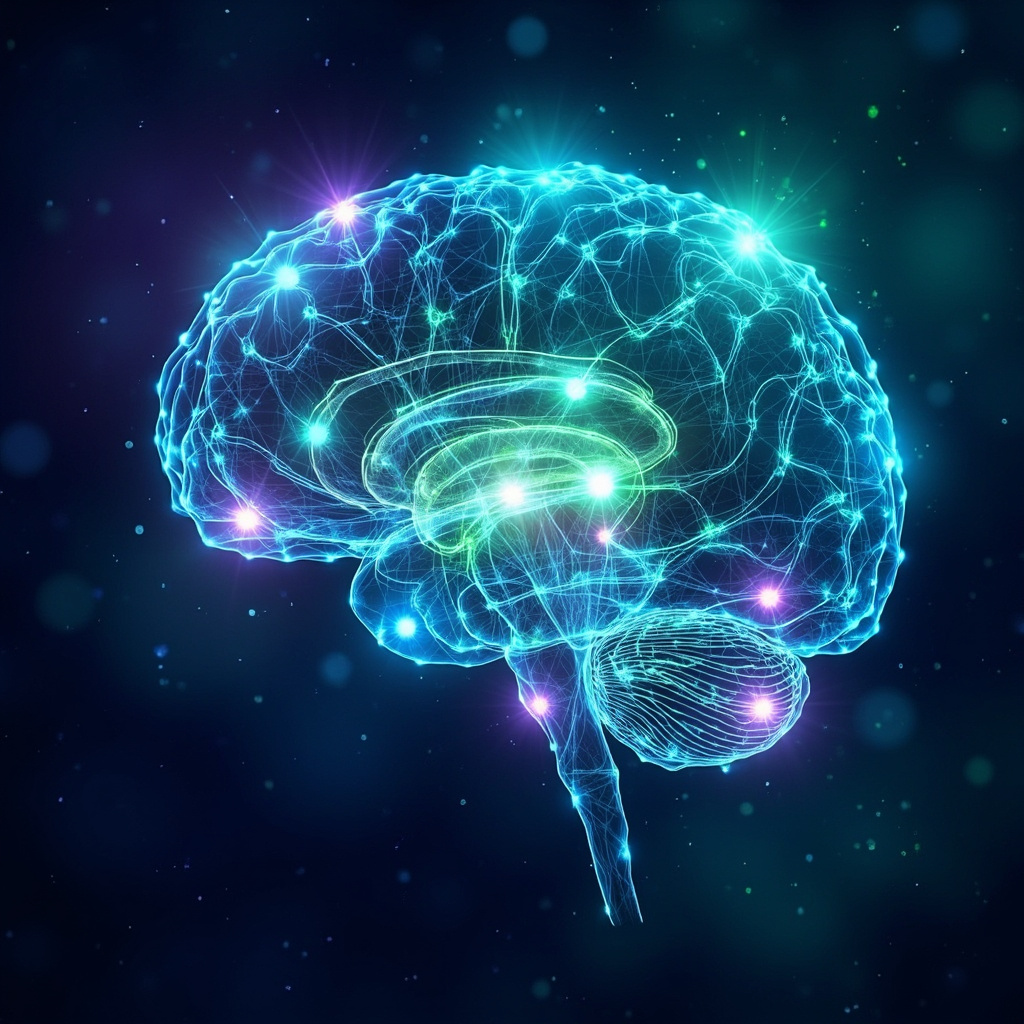
As a psychologist bridging emotions and body signals, I see neurotransmitters as vital links between our feelings and physical state. These chemical messengers carry signals across nerve cells in the brain, spinal cord, and nerves. They influence everything from daily joy to handling pressure.
Everyday Role of Neurotransmitters
Imagine your nervous system as a network of messengers ensuring smooth communication. Key neurotransmitters include:
- Serotonin: Promotes calm, satisfaction, and steady moods.
- Dopamine: Drives pleasure, drive, and goal pursuit.
- GABA: Acts as a brake on overactivity, easing worry.
- Norepinephrine: Sharpens attention and response to challenges.
In balance, they help you feel resilient, focused, and content. Disruptions, however, can dim these qualities.
Emotional Ties to Neurotransmitter Function
Our emotions reflect neurotransmitter activity. Low serotonin often connects to sadness or winter blues. Dopamine shortages sap enthusiasm, turning life gray. GABA deficits heighten restlessness or phobias.
Stress or buried feelings can tip this scale. Constant worry might drain serotonin, fueling a loop of negativity. Emotional conflicts amplify this, linking to issues like depression or agitation. Healing starts by recognizing these patterns – addressing feelings helps realign chemistry for inner peace.
Biomarkers Reveal the Picture
Body electrical readings capture neurotransmitter biomarkers. We assess energy (vitality levels), agitation (restlessness signals), and relational qualities. High agitation flags stress overload; low energy hints at mood drain.
Heart Rate Variability (HRV) complements this. Strong HRV means your system bounces back from stress – a sign of healthy messengers. Low HRV often pairs with emotional strain, guiding us to targeted support.
When Neurotransmitters Serve as Resources
Balanced neurotransmitters regulate sleep, appetite, and mood. This eases stress, boosts organ harmony, and reignites motivation. They become allies for clarity and pleasure, countering emotional lows.
In sessions, if agitation and poor HRV appear, we track trends. Improvements show therapy works – objective proof of growth.
Signs of Imbalance in Daily Life
Watch for:
- Persistent low mood or irritability.
- Lack of drive for usual joys.
- Racing thoughts or unease.
- Trouble sleeping or focusing.
These echo neurotransmitter shifts, often worsened by chronic pressure.
Practical Ways to Nurture Balance
Support your messengers through simple habits:
- Move your body: Exercise lifts dopamine and serotonin.
- Eat wisely: Nuts, fish, and bananas provide building blocks.
- Prioritize rest: Sleep restores supplies.
- Practice calm: Deep breaths or meditation enhance GABA and HRV.
- Manage tension: Journaling unpacks emotional roots.
For deeper harmony, resonance frequencies in audio sessions attune these systems. Guided words invite neurotransmitters as strengths or focus areas, fostering self-regulation.
Recent studies underscore their nuance – beyond simple fixes, holistic care shines. Track your patterns for measurable calm and vitality.
This awareness empowers emotional resilience. Small steps yield big shifts in well-being.
- 1. facebook.com
- 2. medicalxpress.com
- 3. youtube.com
- 4. uc.edu
- 5. instagram.com
- 6. psychiatryredefined.org
- 7. bbrfoundation.org
- 8. nature.com
- 9. youtube.com
- 10. thebekindpeopleproject.org
- 11. sciencedaily.com
- 12. sciencedaily.com
- 13. pmc.ncbi.nlm.nih.gov
- 14. nature.com
- 15. news.unchealthcare.org
- 16. nutritionaloutlook.com
- 17. pmc.ncbi.nlm.nih.gov
- 18. wrnclinical.com
- 19. acsm.org
- 20. mdpi.com
- 21. medvidi.com
- 22. facebook.com
- 23. stress.org
- 24. instagram.com
- 25. aau.edu
- 26. alternativetomeds.com
- 27. today.marquette.edu
- 28. elevatingmindspsychiatry.com
- 29. news-medical.net
- 30. sciencedirect.com
- 31. nature.com
- 32. pmc.ncbi.nlm.nih.gov
- 33. insightcla.com
- 34. bbc.com
- 35. pmc.ncbi.nlm.nih.gov
- 36. psycnet.apa.org
- 37. bbrfoundation.org
- 38. cen.acs.org
Related posts
Glossary
- Energy and mind Structures > Focused Coherence; Focus
- Energy and mind Structures > Communication
- Energy and mind Structures > Scale
- Energy and mind Structures > Sadness
- Energy and mind Structures > Peace
- Energy and mind Structures > Satisfaction
- Energy and mind Structures > Drive
- Energy and mind Structures > Pleasure
- Energy and mind Structures > Drives
- Body zones > nerves
- Body zones > neurotransmitters
- TCM Recipes > Brain Boost: Clear Fog, Improve Focus & Memory
- TCM Recipes > Herbal Relief: A TCM Approach to Lift Your Mood
- Energy and mind Structures > sleep
- Energy and mind Structures > vitality
- Energy and mind Structures > Theta; 4.31-6.97 Hz. Light sleep, meditation.
- Energy and mind Structures > Stress
- Stimuli > IGF1, Growth
- Stimuli > Serotonin
- Stimuli > GABA
- Binaural beats > Spinal Cord Support: Enhance Wellness and Emotional Balance
- Binaural beats > Nervous System: A Program for Emotional Balance and Relaxation
- Stimuli > Harmony
see also...
- Energy and mind Structures > HRV
- Energy and mind Structures > Body zones > skull
- Energy and mind Structures > TCM Recipes > Spleen Health: A Simple Recipe for Digestive Strength
- Testimonials > 61% Drop in Nausea and 58% in Headaches from Sound Therapy
- Binaural beats > Stimuli > Sacral, Zinc Etc
- Binaural beats > Transmutation: A Sound Journey for Personal Change