


Anterior Pituitary: Power, Identity, Balance
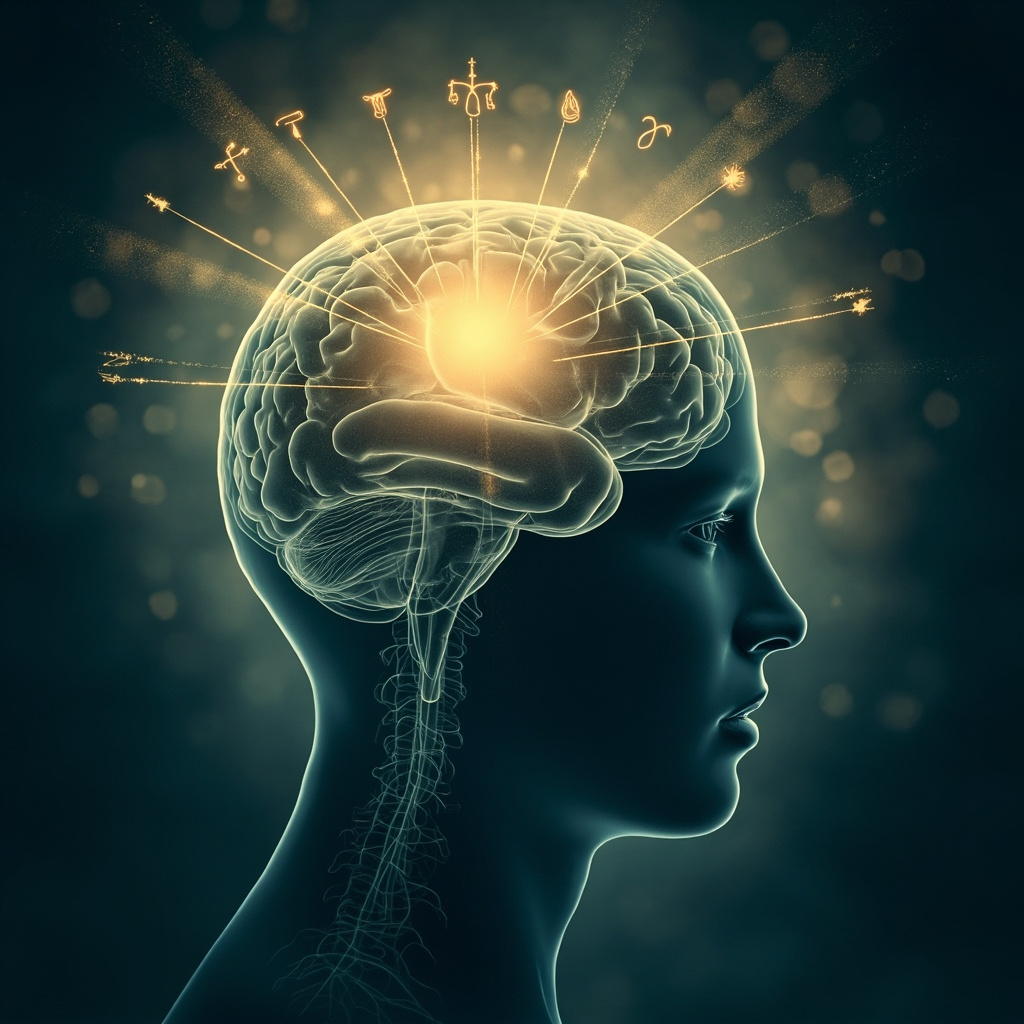
The anterior pituitary gland sits at the base of your brain, like a master conductor orchestrating vital body functions. This small but mighty structure releases hormones that influence growth, energy use, stress handling, and reproduction. When it works well, you feel energized and resilient. When not, it can signal deeper emotional challenges.
Where It Lives and What It Does
Picture the brain's underbelly, tucked into a bony pocket called the sella turcica. Here, the anterior pituitary connects mind and body. It responds to signals from the nearby hypothalamus, releasing six key hormones:
- Growth hormone (GH): Builds tissues and keeps metabolism humming.
- Thyroid-stimulating hormone (TSH): Revs up the thyroid for energy and warmth.
- Adrenocorticotropic hormone (ACTH): Triggers cortisol release for stress management.
- Prolactin: Supports milk production and more.
- Follicle-stimulating hormone (FSH) and Luteinizing hormone (LH): Guide reproductive health.
These hormones ripple through your system, promoting balance in growth, daily energy, and responses to life's pressures. For more details, see the glossary entry.
When Balance Falters
If the anterior pituitary struggles, physical signs appear. You might notice slow growth in children, unexplained weight changes, fatigue, thyroid issues, weak stress responses, or fertility challenges. Conditions like prolactinomas-benign growths-can overproduce one hormone, throwing everything off.
Emotional threads often weave in here. Feelings of powerlessness, inferiority, or shaky self-identity may surface. These stem from past failures, heavy responsibilities, or a craving for recognition. Chronic stress amplifies this, disrupting hormone flow and heart rate variability (HRV)-a key marker of emotional resilience I often track in my work.
Studies link early life stress to changes in pituitary size and function, showing how emotional experiences shape this gland over time. Low HRV alongside pituitary imbalances signals agitation or poor focus, common in anxiety or trauma responses.
Emotions and the Pituitary Link
Why the emotional tie? The pituitary sits at the crossroads of the hypothalamic-pituitary-adrenal (HPA) axis, your body's stress highway. Overwhelm floods it with demands, leading to exhaustion. Clients with high stress biomarkers often report feeling 'small' or overlooked-mirroring pituitary themes.
Powerlessness erodes confidence, much like a gland not signaling properly. Struggles with identity? They echo hormone gaps in growth or reproduction, core to who we are. Addressing these feelings through mindfulness or therapy can ease the load, improving HRV and gland harmony.
Tapping It as a Resource
A healthy anterior pituitary doesn't just manage itself-it supports others. Its hormones regulate thyroid, adrenals, and gonads, creating body-wide balance. As a resource, it boosts resilience: steady growth, calm stress responses, vital reproduction.
In practice, I guide clients to view it as an ally. Relaxation practices like deep breathing enhance HRV, signaling the pituitary to regulate better. Track progress with biomarkers-shifts in energy, mood, and focus show real change.
Steps Toward Balance
- Notice patterns: Fatigue or mood dips? Note emotional triggers like overload or self-doubt.
- Build resilience: Short daily breaths or walks steady HRV and HPA flow.
- Seek support: Therapy unpacks identity struggles; biomarkers confirm gains.
- Rest and nourish: Sleep and whole foods fuel hormone health.
By honoring emotional roots, you empower this gland. It fosters not just physical strength, but a solid sense of self-key to lasting well-being.
- 1. pubmed.ncbi.nlm.nih.gov
- 2. nature.com
- 3. sciencedirect.com
- 4. cdn2.psychologytoday.com
- 5. cdn2.psychologytoday.com
- 6. welcometothejungle.com
- 7. pmc.ncbi.nlm.nih.gov
- 8. frontiersin.org
- 9. researchportal.coachingfederation.org
- 10. ncbi.nlm.nih.gov
- 11. psychologytoday.com
- 12. cambridge.org
- 13. pubmed.ncbi.nlm.nih.gov
- 14. pubmed.ncbi.nlm.nih.gov
- 15. ncbi.nlm.nih.gov
- 16. pubmed.ncbi.nlm.nih.gov
- 17. psychologytoday.com
- 18. pubmed.ncbi.nlm.nih.gov
- 19. frontiersin.org
- 20. revitalizewellnesscounseling.com
- 21. sciencedirect.com
- 22. theinsightclinic.ca
- 23. lifestyle.sustainability-directory.com
- 24. sciencedirect.com
- 25. webmd.com
- 26. glencoe.mheducation.com
- 27. pubmed.ncbi.nlm.nih.gov
- 28. barrowneuro.org
- 29. ohsu.edu
- 30. my.clevelandclinic.org
- 31. ebsco.com
- 32. sonapharmacy.com
- 33. pubmed.ncbi.nlm.nih.gov
- 34. uclahealth.org
- 35. drjessicagruber.com
- 36. onlinelibrary.wiley.com
- 37. psychologytoday.com
- 38. sciencedirect.com
- 39. frontiersin.org
- 40. my.clevelandclinic.org
- 41. courses.lumenlearning.com
- 42. sciencedirect.com
- 43. my.clevelandclinic.org
- 44. link.springer.com
- 45. psycnet.apa.org
- 46. aurorahealthcare.org
- 47. pubmed.ncbi.nlm.nih.gov
Related posts
Glossary
- Energy and mind Structures > Focused Coherence; Focus
- Energy and mind Structures > Structure
- Energy and mind Structures > Exhaustion
- Energy and mind Structures > Confidence
- Body zones > anterior
- Body zones > hormones
- Body zones > tissues
- TCM Recipes > Thyroid Support: Natural Remedies for Fatigue & Weight
- TCM Recipes > Heart Health: Remedies for Anxiety and Palpitations
- TCM Recipes > Brain Boost: Clear Fog, Improve Focus & Memory
- TCM Recipes > Boost Your Energy: A TCM Recipe for Fatigue Relief
- Energy and mind Structures > sleep
- Energy and mind Structures > Stress
- Stimuli > IGF1, Growth
- Stimuli > Cortisol
- Stimuli > Moon - Nasal Passage, Breathing, Taste
- Binaural beats > Trauma Healing: Binaural Beats for Emotional Balance
- Stimuli > Reproductive
- Stimuli > Harmony
- Stimuli > GAPDH, Metabolism
see also...
- Energy and mind Structures > HRV
- Energy and mind Structures > Body zones > bones
- Energy and mind Structures > TCM Recipes > Tension Headache Relief: A Natural Approach to Ease Stress
- Testimonials > 61% Drop in Nausea and 58% in Headaches from Sound Therapy
- Binaural beats > Stimuli > Chakra Throat
- Binaural beats > Trauma Healing: Binaural Beats for Emotional Balance