


Eyes: Vision and Emotional Clarity
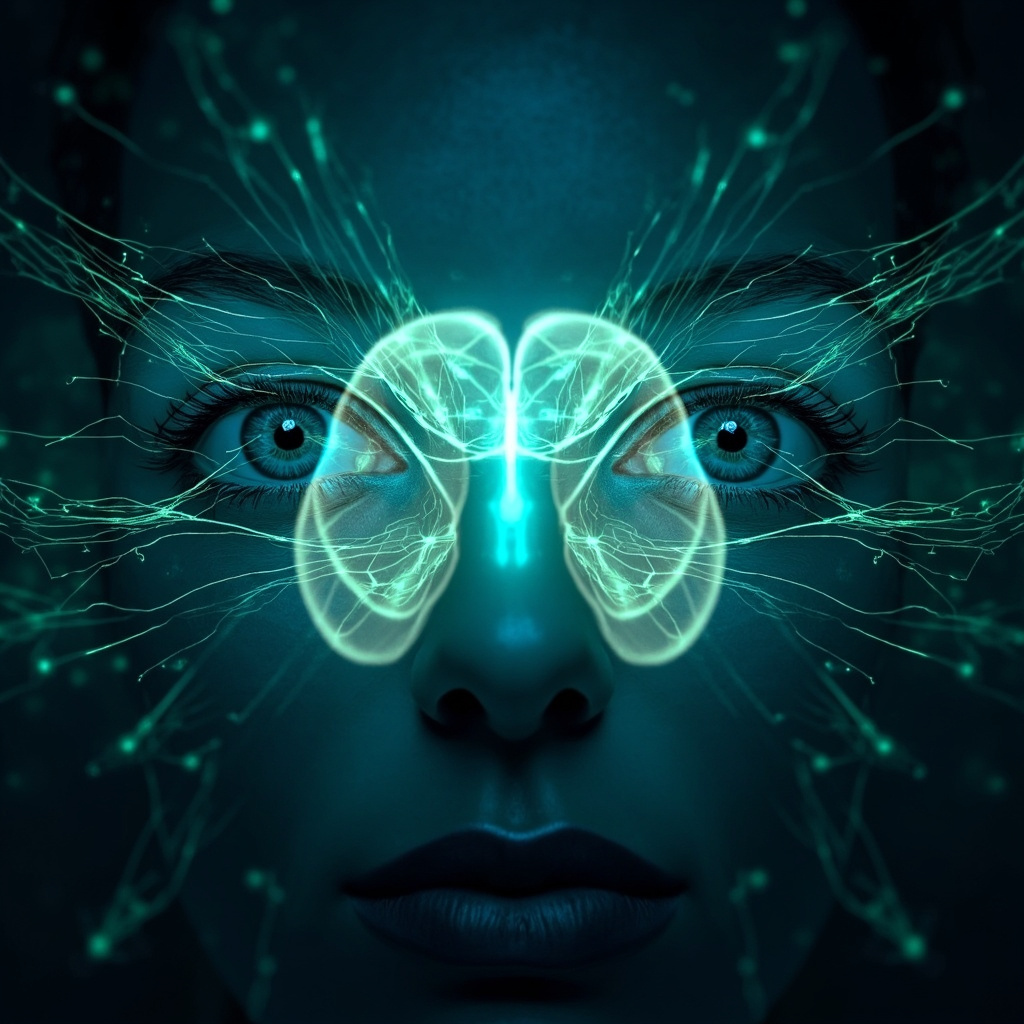
Our eyes serve as gateways to the external world, capturing light and transforming it into signals the brain uses for sight. Nestled in protective sockets at the front of the head, they enable us to navigate life with precision. When balanced, vision is sharp and reliable. Imbalances, however, can bring blurriness, strain, focus difficulties, or even deeper vision loss. In BioCoherence, we assess the eyes biomarker through electrical activity recordings, revealing its energy levels, agitation, and connections to overall health. Learn more in the glossary.
Physical Functions of the Eyes
Healthy eyes detect light patterns, convert them into electrical impulses, and send them to the brain's visual centers. This process supports everyday tasks like reading, driving, or recognizing faces. Common signs of physical imbalance include:
- Difficulty focusing on near or far objects
- Sensitivity to light or glare
- Dryness, itching, or persistent fatigue
These symptoms not only hinder daily life but can amplify stress, creating a cycle where physical discomfort feeds emotional tension.
Emotional Dimensions of Vision
The eyes hold profound emotional significance. Psychologically, they symbolize clarity, perception, and our ability to envision the future. Problems with vision often mirror inner conflicts:
- A refusal to see harsh realities
- Fear of what lies ahead
- Avoidance of painful truths
Recent research supports this connection. For instance, adults with visual impairments are nearly twice as likely to experience depression, stemming from lost independence and withdrawal from activities. Anxiety surges from worries about safety, work performance, or social navigation. Chronic stress can even temporarily blur vision through eye strain or elevated pressure inside the eye. These links highlight how emotional states influence-and are influenced by-eye health.
As a psychologist, I see this interplay in biomarkers related to stress and heart rate variability (HRV). Low HRV, a marker of poor emotional regulation, correlates with heightened agitation in visual processing. When eyes show imbalance, it may reflect broader patterns of anxiety or unresolved tension.
Eyes as a Resource for Healing
When strong, the eyes become a vital ally. They supply essential visual data that guides movements, sharpens decisions, and heightens environmental awareness. Emotionally, clear vision fosters:
- Greater self-awareness and insight
- Confidence in facing challenges
- Coordination between body and mind
In therapeutic contexts, leveraging the eyes supports resilience. Simple practices like guided visualizations-focusing on serene scenes-can calm agitation and boost focus. Mindfulness exercises train the gaze softly, reducing strain while building emotional steadiness.
Signs of Imbalance and Paths Forward
Watch for emotional cues alongside physical ones:
- Persistent worry about the future paired with focus issues
- Irritability or low mood with eye fatigue
- Social withdrawal mirroring vision limitations
To nurture balance:
- Practice daily eye rests: Look away from screens every 20 minutes, focusing on distant objects.
- Incorporate breathing techniques to lower stress and support HRV.
- Engage in reflective journaling to confront avoided truths.
- Seek professional vision checks and mental health support.
Tracking progress through biomarkers offers objective insight. Improvements in eye energy often parallel gains in emotional clarity and regulation. By addressing the eyes, we unlock clearer perception in both body and mind, paving the way for holistic well-being.
- 1. seeclearassociates.com
- 2. imotions.com
- 3. mdpi.com
- 4. link.springer.com
- 5. tandfonline.com
- 6. medicalxpress.com
- 7. pmc.ncbi.nlm.nih.gov
- 8. pmc.ncbi.nlm.nih.gov
- 9. medrxiv.org
- 10. uhhospitals.org
- 11. instagram.com
- 12. aoa.org
- 13. nature.com
- 14. pmc.ncbi.nlm.nih.gov
- 15. frontiersin.org
- 16. sciencedirect.com
- 17. sciencedaily.com
- 18. neurosciencenews.com
- 19. pmc.ncbi.nlm.nih.gov
- 20. aao.org
- 21. kadrmaseyecare.com
- 22. optometrists.org
- 23. medicaleyecenter.com
- 24. eyemed.com
- 25. nei.nih.gov
- 26. cdc.gov
- 27. pmc.ncbi.nlm.nih.gov
- 28. nature.com
- 29. fierceinc.com
- 30. spacecoastophthalmology.com
- 31. instagram.com
- 32. eyemed.uk
- 33. sciencedirect.com
- 34. biorxiv.org
- 35. academic.oup.com
- 36. link.springer.com
- 37. olink.com
- 38. pmc.ncbi.nlm.nih.gov
- 39. visioncentersofhouston.com
- 40. frontiersin.org
- 41. sciencedirect.com
- 42. opc.ong
- 43. ncbi.nlm.nih.gov
- 44. sanmarcosvision.com
- 45. pmc.ncbi.nlm.nih.gov
- 46. youtube.com
- 47. arizonaeyes.net
- 48. mdpi.com
- 49. youtube.com
- 50. lowvisionofny.com
Related posts
Glossary
- Energy and mind Structures > Focused Coherence; Focus
- Energy and mind Structures > Regulation
- Energy and mind Structures > Mental
- Energy and mind Structures > Performance
- Energy and mind Structures > Confidence
- Body zones > head
- Body zones > eyes
- TCM Recipes > Brain Boost: Clear Fog, Improve Focus & Memory
- Energy and mind Structures > Head, perception
- Energy and mind Structures > Stress
- Stimuli > Moon - Nasal Passage, Breathing, Taste
- Stimuli > Independence