


Gray Matter: Hub for Thoughts & Emotions
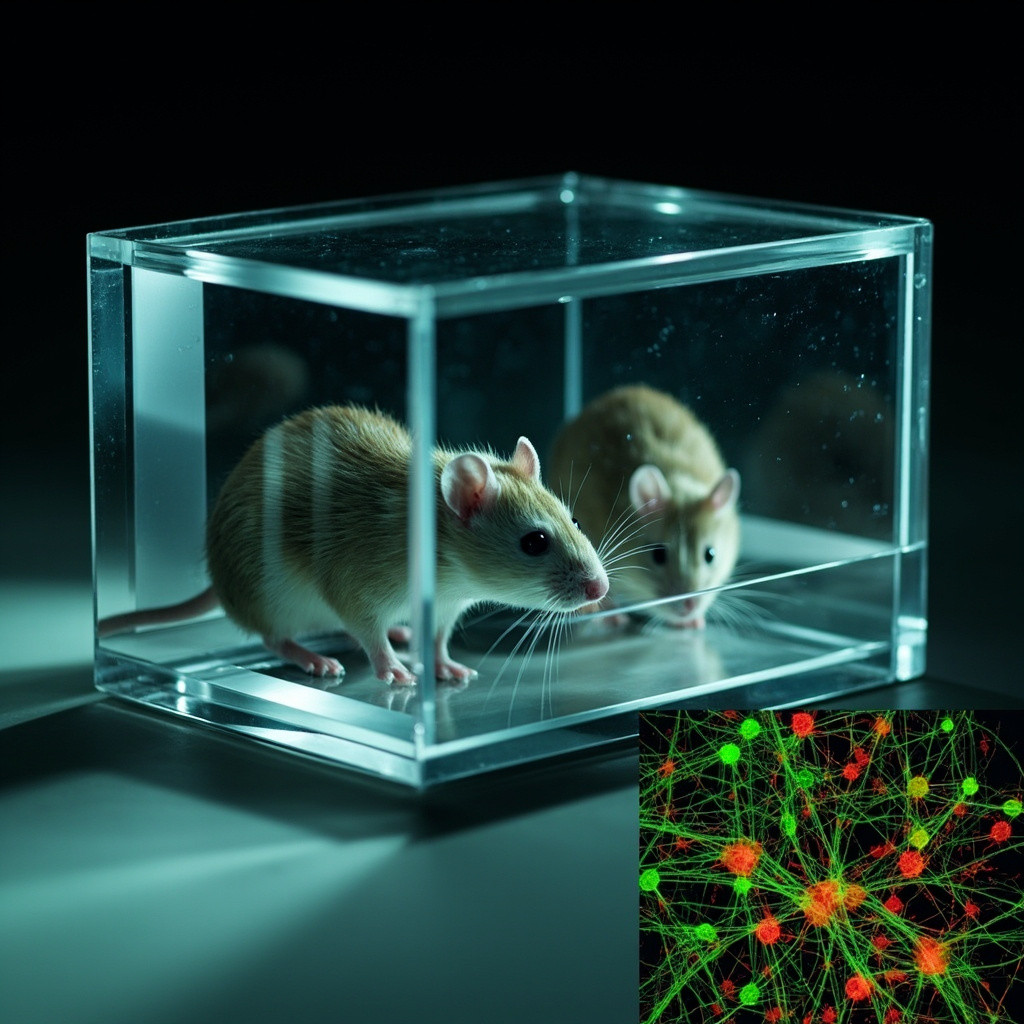
Gray Matter: Your Brain's Core Processor
Gray matter is the brain's active hub. Found in the brain and spinal cord, it includes neuron cell bodies, dendrites, and unmyelinated axons. These components handle essential tasks: thinking, memory, sensory input, muscle control, emotions, and decisions.
It acts like a central command center, integrating signals to help you navigate daily life. For a deeper look, check the glossary.
Emotions and Gray Matter: A Close Link
Key gray matter areas, such as the amygdala and hippocampus, process feelings and regulate moods. The amygdala flags threats and intensities emotions, while the hippocampus stores memories tied to them.
Healthy gray matter ensures emotions align with logic. You respond calmly to challenges, make clear choices, and maintain steady moods.
Imbalances often signal deeper issues:
- Feelings of overwhelm from too much information.
- Mental exhaustion after routine tasks.
- Conflicts between head and heart in decisions.
- Trouble recalling details or focusing amid stress.
These can stem from chronic tension, unresolved conflicts, or lifestyle factors, leading to cognitive slips or mood swings.
Ties to Stress Resilience and HRV
In my work as a psychologist, I connect gray matter health to heart rate variability (HRV). HRV measures your nervous system's flexibility – high HRV means better stress handling and emotional control.
Research links low HRV to reduced gray matter in emotion centers. Stress hormones like cortisol can shrink these areas, impairing regulation. This creates a loop: poor emotions worsen stress, further taxing the brain.
Conversely, strong gray matter supports HRV by aiding adaptive responses, reducing agitation, and boosting focus.
Breakthrough Research: Therapy Reshapes Gray Matter
Exciting 2025 findings from Translational Psychiatry show cognitive behavioral therapy (CBT) grows gray matter in depression patients. After 20 sessions, volumes increased in the right anterior hippocampus and bilateral amygdala – prime spots for emotion handling.
These changes correlated with better feeling identification, easing dysregulation. Symptoms dropped significantly, proving psychotherapy drives neuroplasticity.
This aligns with studies on mindfulness: regular practice thickens gray matter, enhancing awareness and calm. Such evidence underscores mind-body links in healing.
Harnessing Gray Matter as a Strength
When balanced, gray matter serves as a vital resource. It optimizes thinking, evens emotions, and sharpens decisions, benefiting the entire body.
It coordinates with organs for harmony: clearer cognition eases heart strain, steadies nerves, and fuels resilience. In practice, focusing on it reveals untapped potential.
Everyday Ways to Support Gray Matter
Build emotional strength through simple steps:
- Mindfulness meditation: 10-20 minutes daily increases density in memory and emotion areas.
- Stress tracking: Note triggers and use breathing to lift HRV.
- Therapy tools: CBT challenges patterns, fostering brain growth.
- Physical activity: Exercise promotes new neurons and blood flow.
- Rest and recovery: Quality sleep repairs gray matter overnight.
- Nutrition focus: Omega-3s and antioxidants nourish brain cells.
Monitor shifts in focus, mood, or energy. Over time, you'll notice sharper clarity and inner steadiness.
Nurturing gray matter unlocks profound well-being. It bridges mind and body, paving paths to resilience and joy.
- 1. researchgate.net
- 2. news.mit.edu
- 3. rheumatologyadvisor.com
- 4. pmc.ncbi.nlm.nih.gov
- 5. med.stanford.edu
- 6. instagram.com
- 7. medicalnewstoday.com
- 8. pmc.ncbi.nlm.nih.gov
- 9. news-medical.net
- 10. pmc.ncbi.nlm.nih.gov
- 11. medicalxpress.com
- 12. womensbrainhealth.org
- 13. pmc.ncbi.nlm.nih.gov
- 14. facebook.com
- 15. nature.com
- 16. frontiersin.org
- 17. schoolofpositivetransformation.com
- 18. odysseycommunity.org
- 19. nicabm.com
- 20. frontiersin.org
- 21. brainfacts.org
- 22. news.yale.edu
- 23. semanticscholar.org
- 24. nature.com
- 25. health.harvard.edu
- 26. sciencedirect.com
- 27. journals.plos.org
- 28. news.yale.edu
- 29. mdpi.com
- 30. pmc.ncbi.nlm.nih.gov
- 31. med.stanford.edu
- 32. news-medical.net
- 33. sciencedaily.com
- 34. sciencedirect.com
- 35. facebook.com
- 36. pubmed.ncbi.nlm.nih.gov
- 37. giving.massgeneral.org
- 38. youtube.com
Related posts
Glossary
- Energy and mind Structures > Focused Coherence; Focus
- Energy and mind Structures > Regulation
- Energy and mind Structures > Memory
- Energy and mind Structures > Drives
- Body zones > head
- Body zones > hormones
- Body zones > nerves
- Body zones > graymatter
- Energy and mind Structures > Organs
- TCM Recipes > Heart Health: Remedies for Anxiety and Palpitations
- TCM Recipes > Brain Boost: Clear Fog, Improve Focus & Memory
- TCM Recipes > Herbal Relief: A TCM Approach to Lift Your Mood
- Energy and mind Structures > sleep
- Energy and mind Structures > Stress
- Stimuli > IGF1, Growth
- Stimuli > Cortisol
- Stimuli > Moon - Nasal Passage, Breathing, Taste
- Binaural beats > Spinal Cord Support: Enhance Wellness and Emotional Balance
- Stimuli > Harmony
- Stimuli > Blood
see also...
- Energy and mind Structures > HRV
- Energy and mind Structures > Body zones > graymatter
- Energy and mind Structures > TCM Recipes > Spleen Health: A Simple Recipe for Digestive Strength
- Testimonials > 61% Drop in Nausea and 58% in Headaches from Sound Therapy
- Binaural beats > Stimuli > Variolinum
- Binaural beats > Spinal Cord Support: Enhance Wellness and Emotional Balance