


Frontal Lobes: Center for Decisions and Emotions
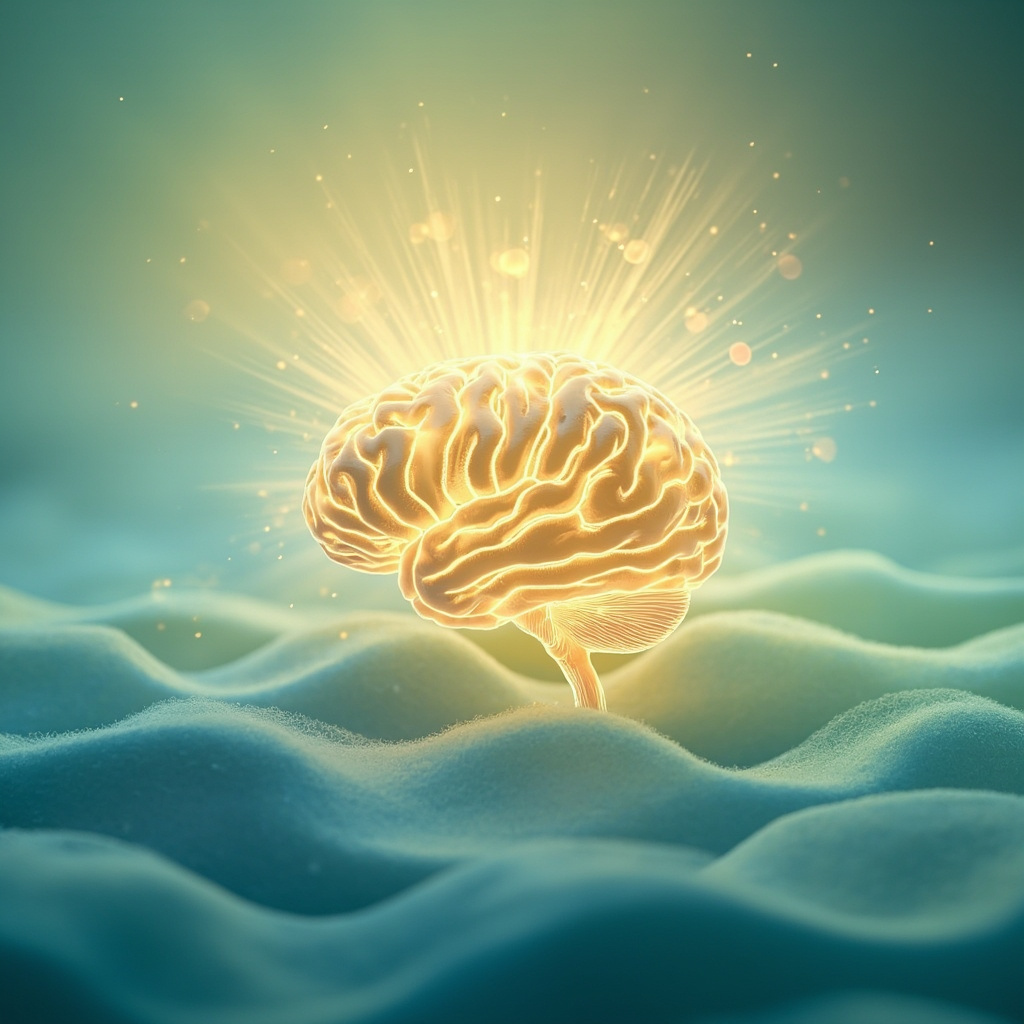
Your frontal lobes, nestled behind the forehead, serve as the brain's command center. They orchestrate higher thinking, guide your choices, and help regulate emotions. For more details, see the glossary entry.
These vital areas enable you to plan ahead, solve problems, and navigate social situations with ease. When they function well, you experience clear thinking, steady behavior, and smooth interactions. They also support motor skills, ensuring your body responds appropriately to your intentions.
Key Functions in Daily Life
- Problem-solving: Tackling challenges step by step.
- Decision-making: Weighing options and choosing wisely.
- Planning: Setting goals and mapping paths forward.
- Behavior control: Managing impulses and staying composed.
- Emotional regulation: Keeping feelings balanced amid stress.
Strong frontal lobes foster confidence in your role and abilities, promoting a sense of self-worth and initiative.
Emotional Ties to the Frontal Lobes
Emotions intertwined with decisions often originate here. Fear of judgment, lack of confidence, or suppressed feelings about your place in the world can signal underlying issues. Unresolved conflicts around identity or self-worth may disrupt their harmony, leading to hesitation or erratic responses.
In my work as a psychologist, I see how these lobes link physiological signals-like heart rate variability (HRV)-to psychological states. Low HRV often pairs with agitation or poor focus, reflecting stress on emotional regulation. Tracking these biomarkers reveals patterns in stress resilience and cognitive function.
Signs of Imbalance
When frontal lobes falter, everyday life feels harder:
- Difficulty concentrating or making decisions.
- Impulsive actions or poor judgment.
- Changes in personality, like increased irritability.
- Struggles with language or social cues.
- Reduced motor coordination.
These can stem from chronic stress, trauma, or overload, amplifying anxiety and hindering progress.
The Frontal Lobes as a Resource
Balanced frontal lobes empower other body systems. They provide effective decision-making and problem-solving, coordinating responses to challenges. Invoking them as a resource sharpens focus on priorities, optimizing overall function.
Supporting Your Frontal Lobes
Research shows promising paths to nurture them. Mindfulness practices, such as meditation, promote structural changes in the frontal cortex, enhancing emotional control and reducing anxiety. Studies highlight how regular sessions boost brain plasticity, leading to better attention and stress handling.
Biofeedback using HRV offers measurable feedback on emotional stability. Techniques like guided breathing or cognitive exercises align mind and body, fostering resilience.
For trauma or chronic stress, gentle interventions target agitation biomarkers, supporting relaxation and clarity.
In practice, a client with high stress markers and low HRV might start with mindfulness to build prefrontal strength. Over time, trends in biomarkers confirm gains in regulation and well-being.
Practical Steps for Balance
- Practice daily mindfulness for 10 minutes to build focus.
- Use deep breathing to improve HRV and calm agitation.
- Journal decisions to reinforce planning skills.
- Engage in social activities to hone empathy.
- Monitor progress with simple self-checks on clarity and mood.
Strengthening your frontal lobes unlocks clarity, positivity, and inner confidence. They bridge body signals and emotional health, paving the way for resilient living.
- 1. verywellmind.com
- 2. pmc.ncbi.nlm.nih.gov
- 3. pmc.ncbi.nlm.nih.gov
- 4. pmc.ncbi.nlm.nih.gov
- 5. nature.com
- 6. sciencedirect.com
- 7. youtube.com
- 8. pmc.ncbi.nlm.nih.gov
- 9. thinkingautism.org.uk
- 10. youtube.com
- 11. theguardian.com
- 12. cdn.fs.pathlms.com
- 13. pmc.ncbi.nlm.nih.gov
- 14. pmc.ncbi.nlm.nih.gov
- 15. destiny-rc.com
- 16. pmc.ncbi.nlm.nih.gov
- 17. facebook.com
- 18. clinicaltrials.gov
- 19. nhahealth.com
- 20. pmc.ncbi.nlm.nih.gov
- 21. pmc.ncbi.nlm.nih.gov
- 22. en.wikipedia.org
- 23. medicaldevice-network.com
- 24. instagram.com
- 25. pmc.ncbi.nlm.nih.gov
- 26. pmc.ncbi.nlm.nih.gov
- 27. neurosity.co
- 28. pmc.ncbi.nlm.nih.gov
- 29. pmc.ncbi.nlm.nih.gov
- 30. stixmindfulness.co.uk
- 31. pmc.ncbi.nlm.nih.gov
- 32. open.spotify.com
- 33. youtube.com
- 34. youtube.com
- 35. diygenius.com
- 36. jdc.jefferson.edu
- 37. semanticscholar.org
- 38. pmc.ncbi.nlm.nih.gov
- 39. binauralbeatsfreak.com
- 40. frontiersin.org
Related posts
Glossary
- Energy and mind Structures > Focused Coherence; Focus
- Energy and mind Structures > Regulation
- Energy and mind Structures > Empathy
- Energy and mind Structures > Confidence
- Body zones > frontallobes
- TCM Recipes > Brain Boost: Clear Fog, Improve Focus & Memory
- Energy and mind Structures > Theta; 4.31-6.97 Hz. Light sleep, meditation.
- Energy and mind Structures > Stress
- Stimuli > Moon - Nasal Passage, Breathing, Taste
- Binaural beats > Trauma Healing: Binaural Beats for Emotional Balance
- Stimuli > Harmony
see also...
- Energy and mind Structures > HRV
- Energy and mind Structures > Body zones > frontallobes
- Energy and mind Structures > TCM Recipes > Boost Energy: A Simple Remedy for Low Energy and Fatigue
- Testimonials > 61% Drop in Nausea and 58% in Headaches from Sound Therapy
- Binaural beats > Stimuli > Sacral, Zinc Etc
- Binaural beats > Trauma Healing: Binaural Beats for Emotional Balance