


Cranial Cavity: Shield for Mind and Identity
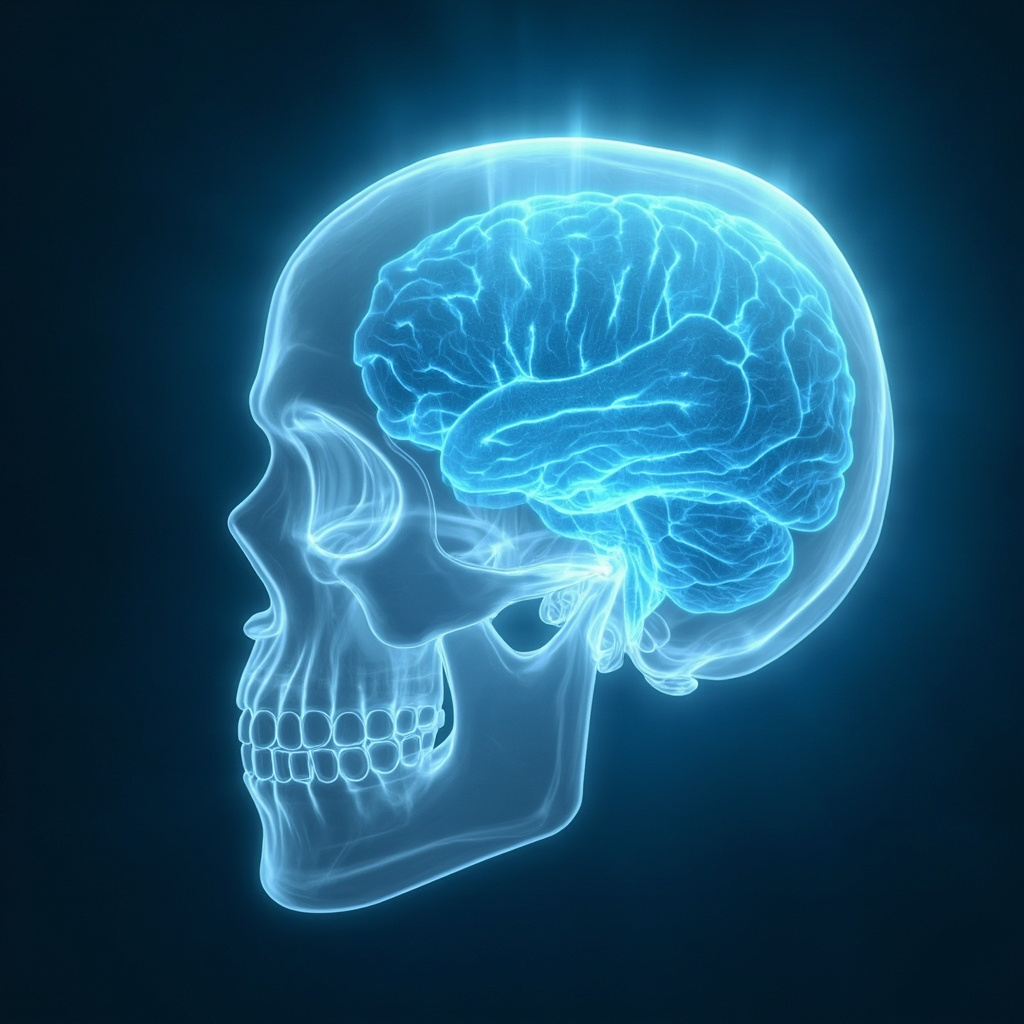
Protecting the Brain's Home
The cranial cavity is the secure space inside your skull that holds your brain. It acts like a strong shield, keeping the brain safe from bumps and injuries. It also helps maintain a steady inner world for the brain to work well, controlling temperature, pressure, and key fluids.cranial cavity
Think of it as the foundation for clear thinking and smooth nerve signals. When everything is in balance, you feel grounded and sharp.
How Imbalances Affect You
If something goes wrong, like past injuries, infections, or built-up pressure inside the skull, problems can arise. You might notice headaches, fuzzy thinking, or trouble focusing. In worse cases, it leads to bigger issues like memory slips or shaky coordination.
From a psychological view, these physical shifts often tie to deeper feelings. The brain inside this cavity handles your sense of control, identity, and intellect. When the cavity's balance falters, it can mirror struggles with self-worth or fears of losing grip on life.
Emotional Ties to the Cranial Cavity
Stress and anxiety hit hard here. Unresolved tensions or old conflicts can show up as mental fog or emotional ups and downs. For example:
- Low self-esteem: Feeling like your thoughts aren't reliable.
- Control fears: Worry that life is slipping away.
- Identity questions: Doubting who you are at your core.
Heart rate variability (HRV), a key measure of stress resilience, often dips when cranial cavity signals are off. High agitation in this area might mean racing thoughts or trouble relaxing, much like chronic stress patterns I see in clients.
Studies link brain environment stability to emotional health. Poor cranial cavity function can amplify trauma responses, making everyday calm harder to find.
The Cranial Cavity as Your Ally
When strong, this cavity supports your whole body. It sends vital nerve messages to organs, helping them work together. It creates a calm hub for emotional balance, boosting overall well-being.
In practice, tuning into it aids:
- Regulation: Steady signals reduce overactive stress responses.
- Clarity: Better focus and decision-making flow naturally.
- Resilience: Builds strength against daily pressures.
As a psychologist, I use biomarkers like these to track progress. Seeing improvements in cranial cavity energy alongside better HRV shows real emotional growth.
Signs to Watch For
Pay attention if you experience:
- Persistent headaches or pressure in the head.
- Trouble concentrating or sudden mood shifts.
- Feelings of disconnection from your own thoughts.
These could point to cranial cavity needs. Simple steps like deep breathing or quiet reflection can help start the shift.
Building Stability
Support your cranial cavity through daily habits:
- Mindfulness: Short sessions to quiet mental noise and ease pressure.
- Gentle movement: Walks or yoga to promote fluid flow without strain.
- Rest: Quality sleep keeps the brain's environment steady.
- Stress checks: Track your HRV with apps for early insights.
Therapies like cognitive behavioral techniques pair well, addressing both body signals and emotions. Over time, this fosters a stronger sense of self.
Why It Matters for Emotional Health
Your cranial cavity is more than bone and space-it's the guardian of your inner world. By nurturing it, you reclaim control, sharpen identity, and find lasting calm. In my work, clients who focus here often report clearer minds and steadier hearts.
Small changes today build a resilient tomorrow. Listen to your body's signals for a fuller life.
Related posts
Glossary
- Energy and mind Structures > Focused Coherence; Focus
- Energy and mind Structures > Mental
- Energy and mind Structures > Memory
- Body zones > head
- Body zones > cranial cavity
- Energy and mind Structures > Organs
- TCM Recipes > Emotional Balance: A TCM Guide to Calm Anxiety & Insomnia
- TCM Recipes > Brain Boost: Clear Fog, Improve Focus & Memory
- Energy and mind Structures > sleep
- Energy and mind Structures > fluids
- Energy and mind Structures > Stress
- Stimuli > IGF1, Growth
- Stimuli > Moon - Nasal Passage, Breathing, Taste
- Stimuli > AIDS
- Binaural beats > Foundation of Security: Enhance Serenity and Well-Being
- Binaural beats > Trauma Healing: Binaural Beats for Emotional Balance
- Stimuli > Bone
see also...
- Energy and mind Structures > HRV
- Energy and mind Structures > Body zones > cranial cavity
- Energy and mind Structures > TCM Recipes > Boost Energy: A Simple Remedy for Low Energy and Fatigue
- Testimonials > 61% Drop in Nausea and 58% in Headaches from Sound Therapy
- Binaural beats > Stimuli > Bone
- Binaural beats > Trauma Healing: Binaural Beats for Emotional Balance