


Tryptophan: Key to Mood and Sleep Balance
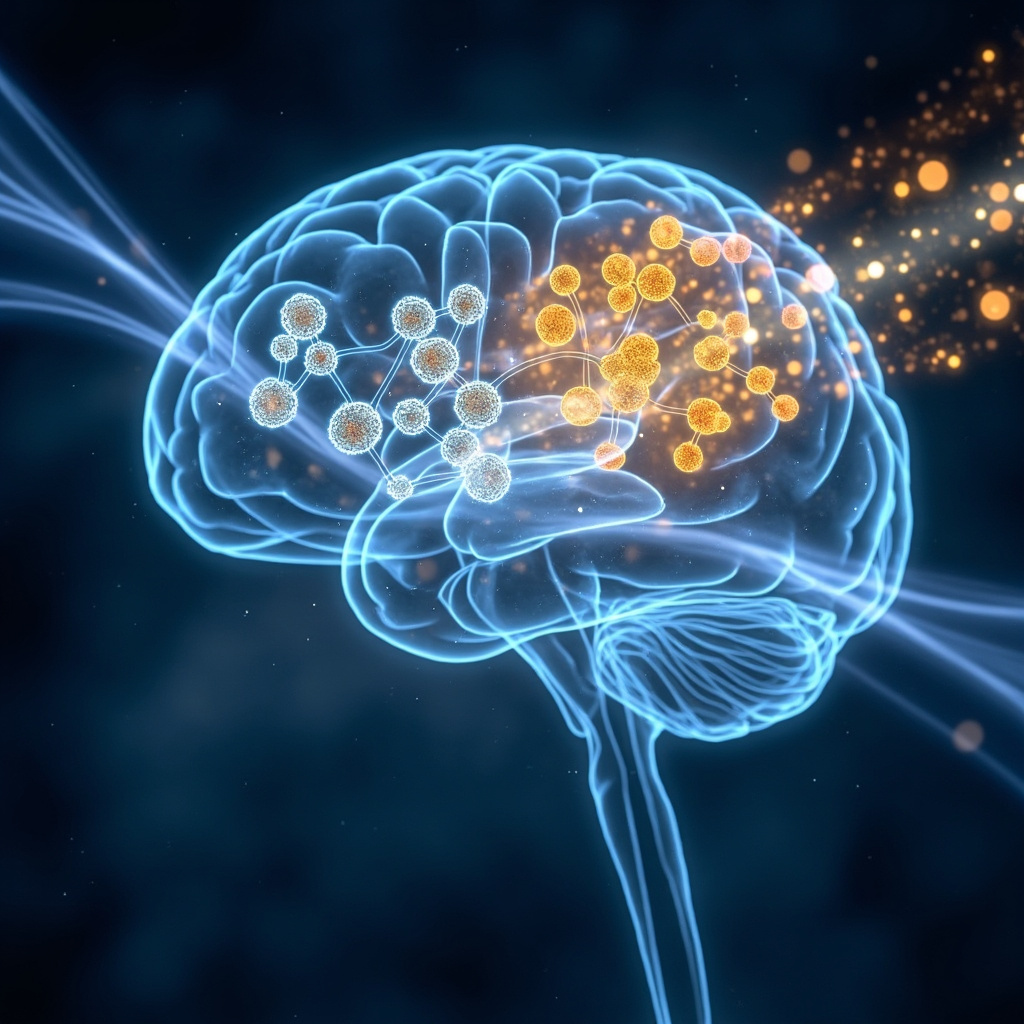
Tryptophan is an essential building block your body needs from food. It plays a big role in keeping your mind steady and your sleep deep. As a psychologist focused on emotional health, I see how this amino acid connects physical signals to feelings of calm or unrest.
Understanding Tryptophan
Your body cannot make tryptophan on its own, so you get it from proteins in foods like eggs, cheese, nuts, and turkey. Once inside, it travels to your brain, blood, and gut. There, it turns into important helpers: serotonin for mood control and melatonin for sleep rhythms. Healthy levels mean better focus, appetite balance, and emotional steadiness.
How It Shapes Emotions and Rest
Serotonin from tryptophan acts like a gentle regulator. It helps you feel content, handle daily stress, and stay resilient. Low activity might show as lingering sadness, worry, or low energy. Melatonin sets your inner clock, easing you into sleep and waking refreshed. Disruptions here lead to tossing nights and foggy days.
Emotional ties run deep. Unexpressed grief or a sense of emptiness can mirror tryptophan struggles. Stress speeds up its breakdown into less helpful paths, creating a cycle of tension. In my work, I link these to heart rate variability (HRV), a sign of how well you bounce back from emotional ups and downs.
Common Signs of Imbalance
Watch for:
- Persistent low mood or sudden irritability
- Trouble falling asleep or staying asleep
- Cravings for carbs as a quick comfort
- Fatigue that lingers despite rest
- Heightened anxiety in quiet moments
These often pair with stress biomarkers, showing your body's call for support.
Fresh Research on Brain Protection
Recent studies highlight tryptophan's power. One key protein guides its path: toward healing chemicals for mood and energy, or risky ones linked to brain fog and decline. In aging or stress, the balance tips, cutting serotonin and melatonin. But blocking the wrong path in tests helped flies move better and protected brain cells. This points to real hope for emotional and cognitive health.
Everyday Ways to Nurture Tryptophan
Build it up naturally:
- Eat smart: Include salmon, pumpkin seeds, tofu, and bananas. Pair with carbs like oats to help it reach your brain.
- Move your body: Exercise flips the 'tryptophan switch,' favoring protective forms and boosting feel-good endorphins.
- Seek light: Morning sun aids conversion to serotonin; dim evenings support melatonin.
- Ease stress: Deep breathing or walks improve HRV, aiding tryptophan use.
- Rest well: Consistent sleep cycles reinforce the loop.
Avoid excess alcohol or caffeine, which steal its benefits.
Tryptophan as an Emotional Ally
When strong, tryptophan steadies moods, sharpens focus, and deepens sleep. It builds resilience against daily pressures. In assessments like BioCoherence, its biomarker reveals energy flow from electrical readings. As a resource, it guides inner calm; as a priority, it invites gentle attention to buried feelings.
Tracking changes over time shows progress in therapy. Pair with mindfulness: notice sadness without judgment, let serotonin flow.
Your emotional world thrives when tryptophan hums right. Small steps today ripple into lasting peace.
- 1. pmc.ncbi.nlm.nih.gov
- 2. centerwatch.com
- 3. revolutionhealth.org
- 4. facebook.com
- 5. sciencedirect.com
- 6. mdpi.com
- 7. researchgate.net
- 8. youtube.com
- 9. researchgate.net
- 10. resetbigsky.com
- 11. music.youtube.com
- 12. tandfonline.com
- 13. pmc.ncbi.nlm.nih.gov
- 14. frontiersin.org
- 15. news.mcmaster.ca
- 16. nature.com
- 17. healthline.com
- 18. link.springer.com
- 19. sciencedirect.com
- 20. health.mil
- 21. mdpi.com
- 22. patents.google.com
- 23. sciencedirect.com
- 24. bezmialemscience.org
- 25. pmc.ncbi.nlm.nih.gov
- 26. youtube.com
- 27. healthcare.utah.edu
- 28. medicalxpress.com
- 29. serenityhealthcarecenter.com
- 30. pmc.ncbi.nlm.nih.gov
- 31. betterhealthguy.com
- 32. biohealottawa.com
- 33. alpha-measure.com
- 34. pubs.acs.org
- 35. mdpi.com
- 36. yahoo.com
- 37. sciencedirect.com
- 38. youtube.com
- 39. frontiersin.org
- 40. sciencedaily.com
Related posts
Glossary
- Energy and mind Structures > Focused Coherence; Focus
- Energy and mind Structures > Sadness
- Energy and mind Structures > Peace
- Energy and mind Structures > Grief
- Energy and mind Structures > Clock
- Body zones > tryptophan
- TCM Recipes > Brain Boost: Clear Fog, Improve Focus & Memory
- TCM Recipes > Boost Your Energy: A TCM Recipe for Fatigue Relief
- Energy and mind Structures > sleep
- Energy and mind Structures > Stress
- Stimuli > Serotonin
- Stimuli > Moon - Nasal Passage, Breathing, Taste
- Stimuli > AIDS
- Stimuli > Lead
- Stimuli > Blood
- Stimuli > Melatonin