


Sterigmatocystin: Mycotoxin Harming Liver and Sleep
What is Sterigmatocystin?
Sterigmatocystin is a harmful substance produced by certain fungi, such as Aspergillus versicolor, a common indoor mold. Found in damp environments, grains, nuts, and even some foods, it enters the body through inhalation or ingestion. In BioCoherence assessments, it appears as a biomarker showing imbalances in energy and agitation levels.
This mycotoxin stands out because it is a precursor to aflatoxins, known carcinogens. Even low exposure can build up over time, posing risks to overall health.
Primary Effects on the Liver
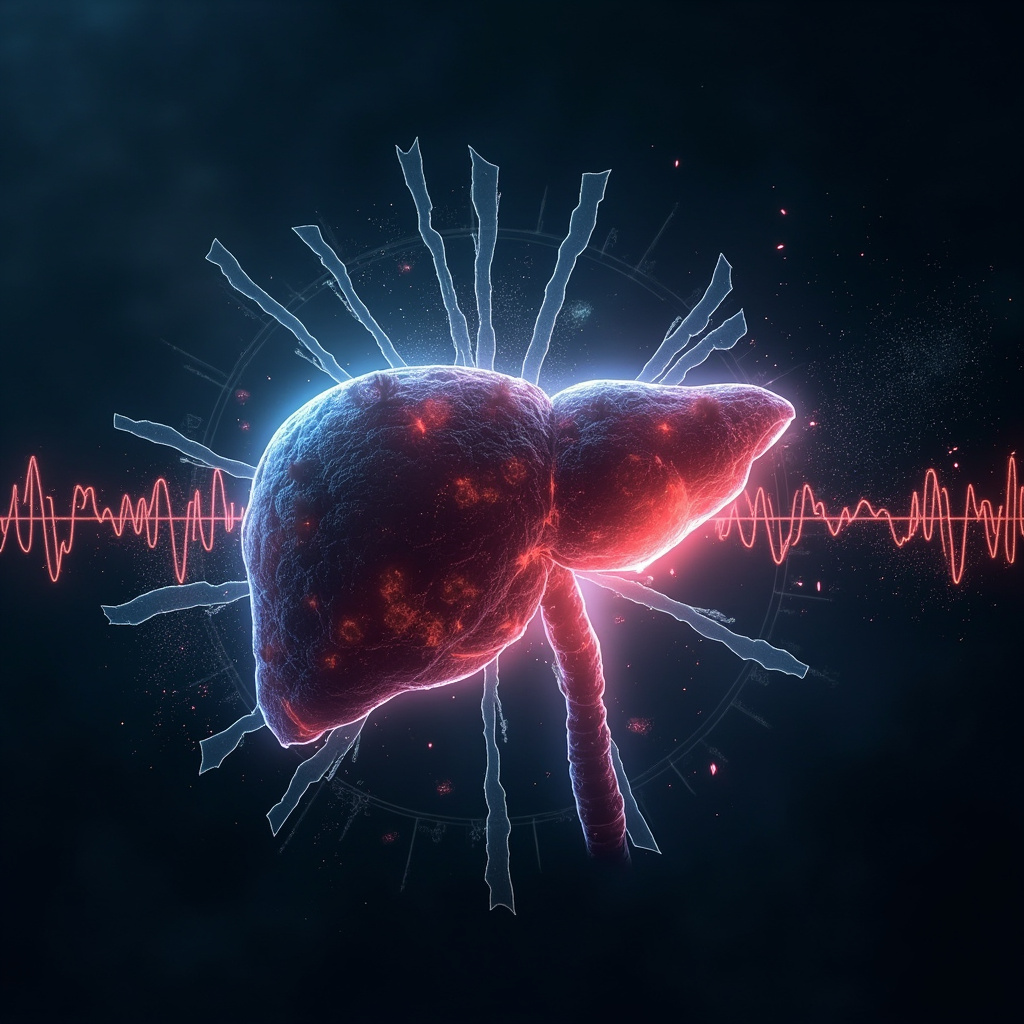
The liver bears the brunt of sterigmatocystin exposure. It disrupts normal cell functions, triggering oxidative stress – a process where harmful molecules damage cells, much like rust on metal. This leads to inflammation and potential scarring in the liver.
Over time, this stress weakens the liver's ability to filter toxins, process nutrients, and maintain energy balance. People might notice unexplained fatigue, digestive discomfort, or yellowing skin as early signs. Protecting liver health is key to preventing these issues from escalating.
- Short-term symptoms: Nausea, reduced appetite, mild pain in the upper abdomen.
- Long-term risks: Increased chance of liver damage or cancer.
Connection to Sleep and Circadian Rhythm
As a sleep coach, I see how hidden toxins like sterigmatocystin sabotage rest. The liver plays a central role in regulating circadian rhythms – your body's 24-hour clock that governs sleep-wake cycles. Recent research from October 2025 highlights how mycotoxins interfere with clock genes like BMAL1 and CLOCK in liver cells, causing inflammation and rhythm chaos (source).
This disruption mimics high nighttime cortisol, blocking melatonin release and deep sleep stages. Sufferers report waking frequently, feeling unrefreshed, or battling insomnia. Heart rate variability (HRV) drops, signaling poor recovery, while breathing patterns become irregular.
Mold-related mycotoxins also spike histamine, fueling nighttime alertness. Combined with liver strain, this creates a cycle: poor sleep worsens detoxification, allowing more toxin buildup.
Emotional and Stress Dimensions
Beyond physical harm, sterigmatocystin evokes fear and anxiety. Awareness of its toxic, cancer-linked nature stirs distress about health threats. This emotional load activates stress hormones, further disrupting sleep onset and quality.
Anxiety manifests as racing thoughts at bedtime or middle-of-the-night worries. In assessments, high agitation in this biomarker correlates with cortisol spikes and low mood, common in those with fragmented rest.
Using Sterigmatocystin as a Resource
Interestingly, addressing this biomarker can become a strength. By recognizing its presence, you gain awareness to support liver detox and emotional calm. Education reduces fear, turning concern into action.
Practical steps include:
- Diet: Favor liver-friendly foods like leafy greens, beets, and turmeric. Avoid mold-prone items such as peanuts or aged cheeses.
- Environment: Check for damp areas; use dehumidifiers to curb mold growth.
- Breathing for calm: Practice 4-7-8 breaths (inhale 4 seconds, hold 7, exhale 8) to lower stress and boost parasympathetic activity.
- Evening routine: Dim lights early, sip chamomile tea, and aim for consistent bedtimes to realign your clock.
In BioCoherence, balancing this structure's resonance helps restore energy flow, aiding sleep recovery. When used as a resource, it supports vitality and resilience.
Why This Matters for Recovery
Restorative sleep relies on hormonal harmony, stable HRV, and toxin-free systems. Sterigmatocystin challenges all three, but targeted awareness breaks the cycle. Recent insights into mycotoxin-circadian links underscore the need for vigilance.
By monitoring biomarkers tied to sleep patterns, stress, and energy, you reclaim deep, biologically aligned rest. Small changes yield big gains in recovery and daily vitality.
- 1. amymyersmd.com
- 2. mdpi.com
- 3. pmc.ncbi.nlm.nih.gov
- 4. sinusitiswellness.com
- 5. pmc.ncbi.nlm.nih.gov
- 6. sciencedirect.com
- 7. brill.com
- 8. pmc.ncbi.nlm.nih.gov
- 9. vibrant-wellness.com
- 10. thewellnessway.com
- 11. pages-anh.dsm.com
- 12. researchgate.net
- 13. mastcell360.com
- 14. adsvitality.com
- 15. sagemedclinic.com
- 16. amymyersmd.com
- 17. mdpi.com
- 18. thepigsite.com
- 19. mdpi.com
- 20. frontiersin.org
- 21. mdpi.com
- 22. ispub.com
- 23. pubmed.ncbi.nlm.nih.gov
- 24. sciencedirect.com
- 25. probiologists.com
- 26. pmc.ncbi.nlm.nih.gov
- 27. pmc.ncbi.nlm.nih.gov
- 28. integrativemedicineacademy.com
- 29. researchgate.net
- 30. tandfonline.com
- 31. frontiersin.org
- 32. drastridnd.com
- 33. search.proquest.com
- 34. sciencedirect.com
- 35. pmc.ncbi.nlm.nih.gov
- 36. pmc.ncbi.nlm.nih.gov
- 37. mosaicdx.com
- 38. austinmdclinic.com
- 39. rthm.com
- 40. pfoleyclinic.com
- 41. theholistichealing.org
- 42. mdpi.com
- 43. baubiologie-regional.de
- 44. news-medical.net
- 45. semanticscholar.org
Related posts
Glossary
- Energy and mind Structures > Metal
- Energy and mind Structures > Clock
- Energy and mind Structures > Sterigmatocystin (mycotoxin) 3.
- Body zones > hormonal
- Body zones > hormones
- Body zones > parasympathetic
- TCM Recipes > Skin Health: Remedies for Acne and Eczema
- TCM Recipes > Digestive Relief: A Simple Guide to Ease Bloating & Indigestion
- TCM Recipes > Liver Health: A TCM Recipe for Balance and Calm
- TCM Recipes > Boost Your Energy: A TCM Recipe for Fatigue Relief
- Energy and mind Structures > sleep
- Energy and mind Structures > vitality
- Energy and mind Structures > toxins
- Energy and mind Structures > energy balance
- Energy and mind Structures > Stress
- Stimuli > GSTM1, Detoxification
- Stimuli > IGF1, Growth
- Stimuli > Cortisol
- Stimuli > Chamomile
- Stimuli > Hepatitis G virus, Primary
- Stimuli > Cancer
- Stimuli > Moon - Nasal Passage, Breathing, Taste
- Stimuli > Pain
- Binaural beats > Allergy Relief: Binaural Beats for Immune Balance
- Binaural beats > Inflammation Relief: Heal Faster with Binaural Beats
- Binaural beats > Scarring: Healing Body and Emotions Linked to Scars
- Stimuli > Harmony
- Stimuli > Melatonin
see also...
- Energy and mind Structures > HRV
- Energy and mind Structures > Body zones > plasma
- Energy and mind Structures > TCM Recipes > Tension Headache Relief: A Natural Approach to Ease Stress
- Binaural beats > Stimuli > Melatonin
- Binaural beats > Scarring: Healing Body and Emotions Linked to Scars
- Testimonials > 61% Drop in Nausea and 58% in Headaches from Sound Therapy