


Erratic Mood: Barrier to Deep Sleep
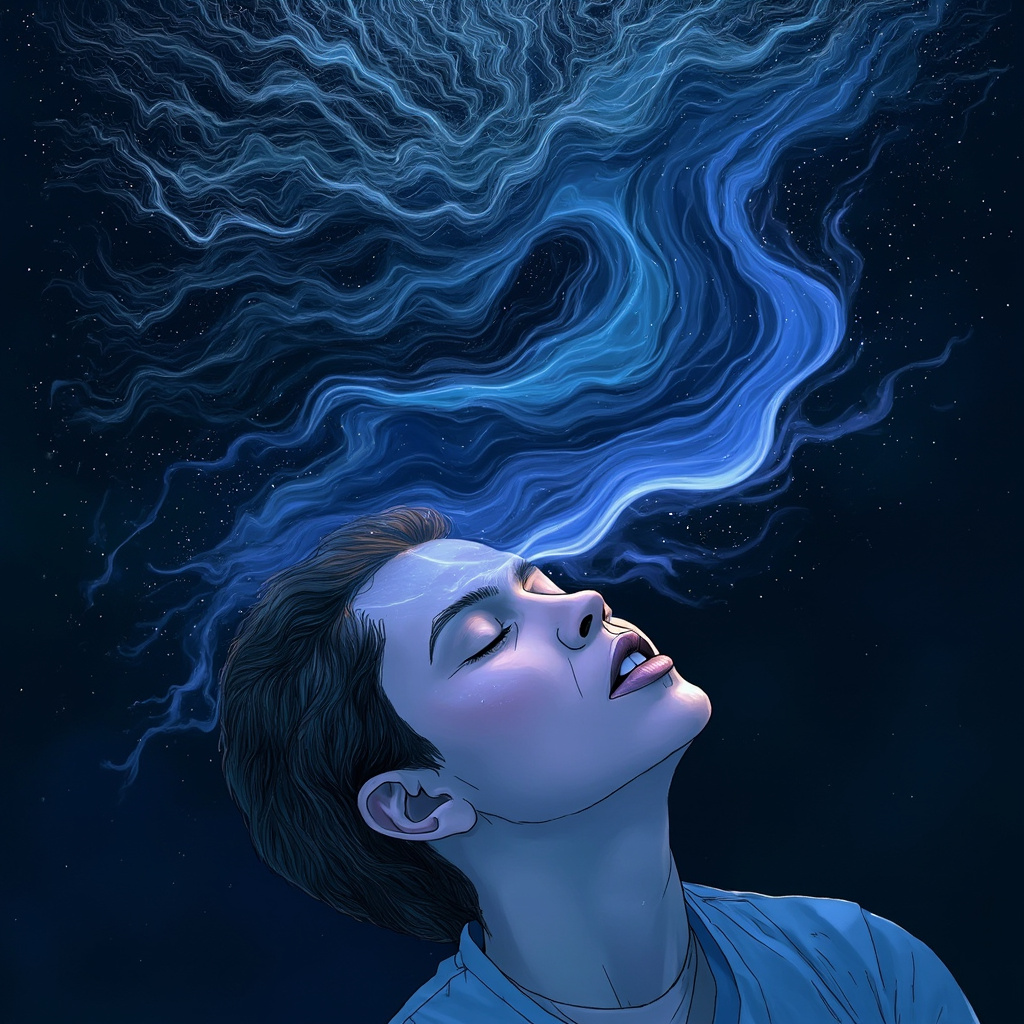
Sudden shifts in emotions can make daily life feel unsteady. One moment you feel energized, the next overwhelmed by irritation or sadness. This is erratic mood, a pattern where feelings change quickly and without obvious cause. It leaves many feeling drained and disconnected from inner calm.
What Defines Erratic Mood?
Erratic mood involves unpredictable emotional ups and downs. Common signs include:
- Quick switches from joy to frustration
- Intense reactions to small triggers
- A sense of inner turbulence that lingers
These fluctuations often tie to deeper imbalances in stress responses or energy flow. For more details, see the glossary.
The Hidden Link to Sleep
Your sleep and mood feed into each other. When moods swing wildly, they spike cortisol, the stress hormone that keeps your body alert. High cortisol at night blocks deep sleep stages, where true recovery happens. Meanwhile, poor sleep lowers heart rate variability (HRV), a key sign of your body's relaxation ability. Low HRV means your nervous system stays revved up, fueling more mood instability.
Studies show this cycle clearly. Interrupted sleep cuts positive moods by 31% the next day. Insomnia raises depression risk tenfold and anxiety seventeenfold. Late bedtimes, even for night owls, worsen emotional control due to reduced prefrontal brain function-the area handling rational thoughts and feelings.
Circadian rhythm disruptions amplify this. Erratic moods signal misalignment in your body's clock, leading to lighter sleep and frequent awakenings. Over time, this erodes vitality and deep recovery.
Recent Research Insights
A 2025 Stanford Medicine review highlights the two-way street: sleep loss impairs emotion regulation, sparking irritability and swings. Conversely, mood disorders fragment sleep. Another pilot study found listening to delta binaural beats before bed cut sleep latency in half, boosted total sleep time, and lowered anxiety and anger scores. These low-frequency sounds mimic deep relaxation waves, easing into restorative rest and steadier moods.
Erratic Mood as a Resource
Interestingly, erratic mood is not always a foe. When balanced, it sharpens awareness of emotional shifts. This heightened sensitivity helps spot stress early, address organ or energy imbalances, and build better regulation. It acts like an inner signal, guiding you toward stability and well-being.
In assessments of body electrical activity, erratic mood appears as a biomarker. Its energy, agitation, and connections reveal priorities for balance. Resonance frequencies can then harmonize it, supporting calmer nights.
Breaking the Cycle: Practical Steps
As a sleep coach focused on circadian balance, I recommend these steps:
Daily Routines
- Stick to consistent bed and wake times to anchor your rhythm.
- Dim lights two hours before bed to lower cortisol naturally.
Breathing for HRV Boost
- Try 4-7-8 breathing: inhale 4 seconds, hold 7, exhale 8. This activates parasympathetic rest mode.
Evening Wind-Down
- Avoid screens; blue light mimics daytime, disrupting melatonin.
- Journal mood shifts to track patterns without judgment.
Frequency Support
- Explore guided audios with delta waves (under 4 Hz) for 30 minutes pre-bed. They promote theta states for emotional processing and delta for deep sleep.
Nutrition Ties
Monitor progress with sleep diaries. Note awakenings, mood upon rising, and energy levels. Over weeks, steady patterns emerge, with HRV improving as moods even out.
Reclaim Your Rest
Erratic mood disrupts deep sleep but offers a path to greater insight. By tuning stress hormones, HRV, and breathing, you foster biologically aligned rest. Small, consistent changes break the loop, restoring vitality and calm. Listen to your body's signals-they guide the way to balanced nights and brighter days.
- 1. altimed.net
- 2. nypost.com
- 3. pmc.ncbi.nlm.nih.gov
- 4. everythingsleepidaho.com
- 5. puresmusic.com
- 6. pmc.ncbi.nlm.nih.gov
- 7. pmc.ncbi.nlm.nih.gov
- 8. kimheifnerwellness.com
- 9. trialx.com
- 10. instagram.com
- 11. journals.lww.com
- 12. pmc.ncbi.nlm.nih.gov
- 13. pmc.ncbi.nlm.nih.gov
- 14. youtube.com
- 15. journals.lww.com
- 16. quantumclinic.com
- 17. youtube.com
- 18. hopkinsmedicine.org
- 19. onlinelibrary.wiley.com
- 20. youtube.com
- 21. med.stanford.edu
- 22. psychologytoday.com
- 23. pmc.ncbi.nlm.nih.gov
- 24. sleep.hms.harvard.edu
- 25. therapyroute.com
- 26. pmc.ncbi.nlm.nih.gov
- 27. pmc.ncbi.nlm.nih.gov
- 28. pubmed.ncbi.nlm.nih.gov
- 29. sleepfoundation.org
- 30. medznat.ru
- 31. link.springer.com
- 32. ouraring.com
- 33. mdpi.com
- 34. pmc.ncbi.nlm.nih.gov
- 35. pmc.ncbi.nlm.nih.gov
- 36. youtube.com
- 37. nature.com
- 38. ctcd.edu
- 39. pmc.ncbi.nlm.nih.gov
- 40. frontiersin.org
- 41. mental.jmir.org
- 42. sciencedirect.com
- 43. academic.oup.com
- 44. youtube.com
- 45. pmc.ncbi.nlm.nih.gov
- 46. webmd.com
- 47. facebook.com
- 48. pmc.ncbi.nlm.nih.gov
Related posts
Glossary
- Energy and mind Structures > Regulation
- Energy and mind Structures > Delta; Below 4.31 Hz. Deep sleep, deep meditation.
- Energy and mind Structures > Sadness
- Energy and mind Structures > Erratic mood
- Energy and mind Structures > Clock
- Body zones > hormones
- Body zones > parasympathetic
- TCM Recipes > Brain Boost: Clear Fog, Improve Focus & Memory
- TCM Recipes > Herbal Relief: A TCM Approach to Lift Your Mood
- Energy and mind Structures > sleep
- Energy and mind Structures > vitality
- Energy and mind Structures > Theta; 4.31-6.97 Hz. Light sleep, meditation.
- Energy and mind Structures > Stress
- Stimuli > Cortisol
- Stimuli > Serotonin
- Stimuli > Moon - Nasal Passage, Breathing, Taste
- Binaural beats > Nervous System: A Program for Emotional Balance and Relaxation
- Stimuli > Melatonin
see also...
- Energy and mind Structures > HRV
- Energy and mind Structures > Body zones > plasma
- Energy and mind Structures > TCM Recipes > Spleen Health: A Simple Recipe for Digestive Strength
- Testimonials > 61% Drop in Nausea and 58% in Headaches from Sound Therapy
- Binaural beats > Stimuli > Melatonin
- Binaural beats > Transmutation: A Sound Journey for Personal Change