


Neurons: Brain Cells Linking Stress to Sleep
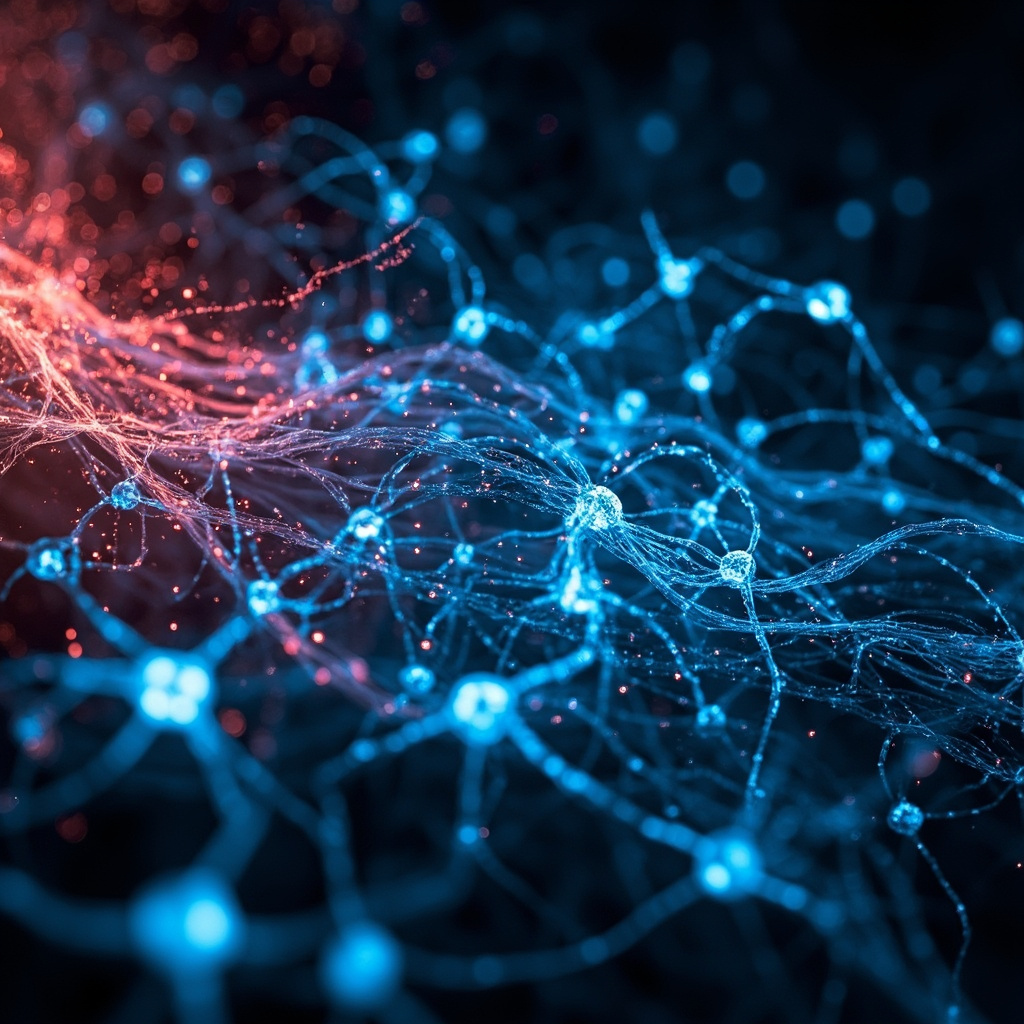
Neurons are the essential cells that form your nervous system, found in the brain, spinal cord, and nerves throughout the body. They act like messengers, sending electrical and chemical signals to help you sense the world, move your muscles, and think clearly. When healthy, they keep everything in harmony. For more details, see the neurons glossary.
Healthy neurons support daily functions, from feeling a gentle touch to solving a puzzle. But they also play a starring role in sleep, coordinating the brain waves that bring deep rest and renewal.
How Neurons Drive Deep Sleep
During sleep, neurons synchronize their activity to create distinct patterns. In deep non-REM sleep, large groups of neurons fire together in slow waves, clearing waste from the brain and restoring energy. This process boosts heart rate variability (HRV), a sign of balanced autonomic nervous system activity that reflects calm and recovery.
Your circadian rhythm, the body's inner clock, relies on specialized neurons in the suprachiasmatic nucleus. These cells respond to light and darkness, signaling when it's time to wind down. Disruptions here, like irregular schedules, throw off neuron timing and lead to shallow sleep.
Breathing patterns also involve neurons. Slow, deep breaths activate parasympathetic neurons, promoting relaxation and longer sleep phases. In contrast, shallow breathing from tension keeps sympathetic neurons alert, blocking deep rest.
Stress Overloads Neurons and Steals Sleep
Stress hits neurons hard. Acute stress triggers cortisol release, which can temporarily rally neurons for action. But chronic stress floods the system, causing neuronal fatigue and inflammation. This leads to fragmented sleep, with frequent awakenings and less deep restoration.
Recent research highlights specific neural pathways. For instance, neurons in the ventral tegmental area (VTA), especially GABA types, activate after social stress to promote non-REM sleep and dial down the stress response by inhibiting hormone-producing cells. Other paths, like those from the lateral habenula to VTA, influence REM sleep, which helps process emotions.
In stress models, such as social defeat in mice, these neurons shift from wake-promoting to sleep-inducing roles, aiding recovery. However, overwhelming stress activates arousal neurons in the locus coeruleus, causing micro-arousals that chop up sleep cycles. This reduces HRV and spikes cortisol at night, trapping you in a cycle of exhaustion.
Emotionally, imbalanced neurons signal deeper issues like fear or unresolved tension. The body uses these signals to urge attention to inner conflicts, as chronic emotional strain disrupts neural communication and sleep quality.
Signs Your Neurons Need Support
Watch for these clues linking neurons to sleep struggles:
- Waking frequently, feeling unrefreshed
- Racing thoughts at bedtime
- Low energy despite hours in bed
- Heightened anxiety or mood dips
- Poor focus during the day
These often tie to low HRV, high nighttime cortisol, or irregular breathing, all neuron-driven.
Neurons as Resources for Balance
When strong, neurons coordinate organs for harmony. They relay signals for proper responses to stress, aiding energy restoration and vitality. In recovery mode, they facilitate communication between brain regions, supporting emotional processing during REM and physical repair in deep sleep.
Sleep Coach Tips to Nurture Your Neurons
Support your neurons with simple habits:
- Prioritize consistent bedtimes to align circadian neurons.
- Practice deep belly breathing before sleep to activate calming pathways and improve HRV.
- Limit evening light to protect clock neurons.
- Wind down with gentle movement to ease sympathetic overdrive.
- Address stress sources through journaling or short meditations to reduce neuronal burden.
Tracking sleep patterns reveals neuron health trends. Better neuron function means deeper sleep, higher HRV, and true recovery.
By tuning into your neurons, you reclaim restorative nights aligned with your biology.
- 1. pmc.ncbi.nlm.nih.gov
- 2. biorxiv.org
- 3. cell.com
- 4. sciencedaily.com
- 5. en-journal.org
- 6. neurosciencenews.com
- 7. sciencedaily.com
- 8. pubmed.ncbi.nlm.nih.gov
- 9. pubmed.ncbi.nlm.nih.gov
- 10. penntoday.upenn.edu
- 11. pmc.ncbi.nlm.nih.gov
- 12. dovepress.com
- 13. news-medical.net
- 14. royalsocietypublishing.org
- 15. sciencedaily.com
- 16. link.springer.com
- 17. pubmed.ncbi.nlm.nih.gov
- 18. phys.org
- 19. earth.com
- 20. pubmed.ncbi.nlm.nih.gov
- 21. pmc.ncbi.nlm.nih.gov
- 22. mdpi.com
- 23. frontiersin.org
- 24. nature.com
- 25. pubmed.ncbi.nlm.nih.gov
- 26. nature.com
- 27. pubmed.ncbi.nlm.nih.gov
- 28. pmc.ncbi.nlm.nih.gov
- 29. medicalxpress.com
- 30. frontiersin.org
- 31. sciencedirect.com
- 32. pmc.ncbi.nlm.nih.gov
- 33. sciencedirect.com
- 34. pmc.ncbi.nlm.nih.gov
- 35. pmc.ncbi.nlm.nih.gov
- 36. pnas.org
- 37. facebook.com
Related posts
Glossary
- Energy and mind Structures > Focused Coherence; Focus
- Energy and mind Structures > Communication
- Energy and mind Structures > Fire
- Energy and mind Structures > Drive
- Energy and mind Structures > Exhaustion
- Energy and mind Structures > Clock
- Body zones > muscles
- Body zones > nerves
- Body zones > neurons
- Body zones > parasympathetic
- Energy and mind Structures > Organs
- TCM Recipes > Brain Boost: Clear Fog, Improve Focus & Memory
- TCM Recipes > Boost Your Energy: A TCM Recipe for Fatigue Relief
- Energy and mind Structures > sleep
- Energy and mind Structures > vitality
- Energy and mind Structures > Stress
- Stimuli > Cortisol
- Stimuli > GABA
- Stimuli > Moon - Nasal Passage, Breathing, Taste
- Binaural beats > Inflammation Relief: Heal Faster with Binaural Beats
- Binaural beats > Spinal Cord Support: Enhance Wellness and Emotional Balance
- Binaural beats > Nervous System: A Program for Emotional Balance and Relaxation
- Stimuli > Lead
- Stimuli > Harmony
see also...
- Energy and mind Structures > HRV
- Energy and mind Structures > Body zones > plasma
- Energy and mind Structures > TCM Recipes > Tension Headache Relief: A Natural Approach to Ease Stress
- Testimonials > 61% Drop in Nausea and 58% in Headaches from Sound Therapy
- Binaural beats > Stimuli > Sacral, Zinc Etc
- Binaural beats > Transmutation: A Sound Journey for Personal Change