


Diaphragm: Gateway to Deep Sleep and Calm
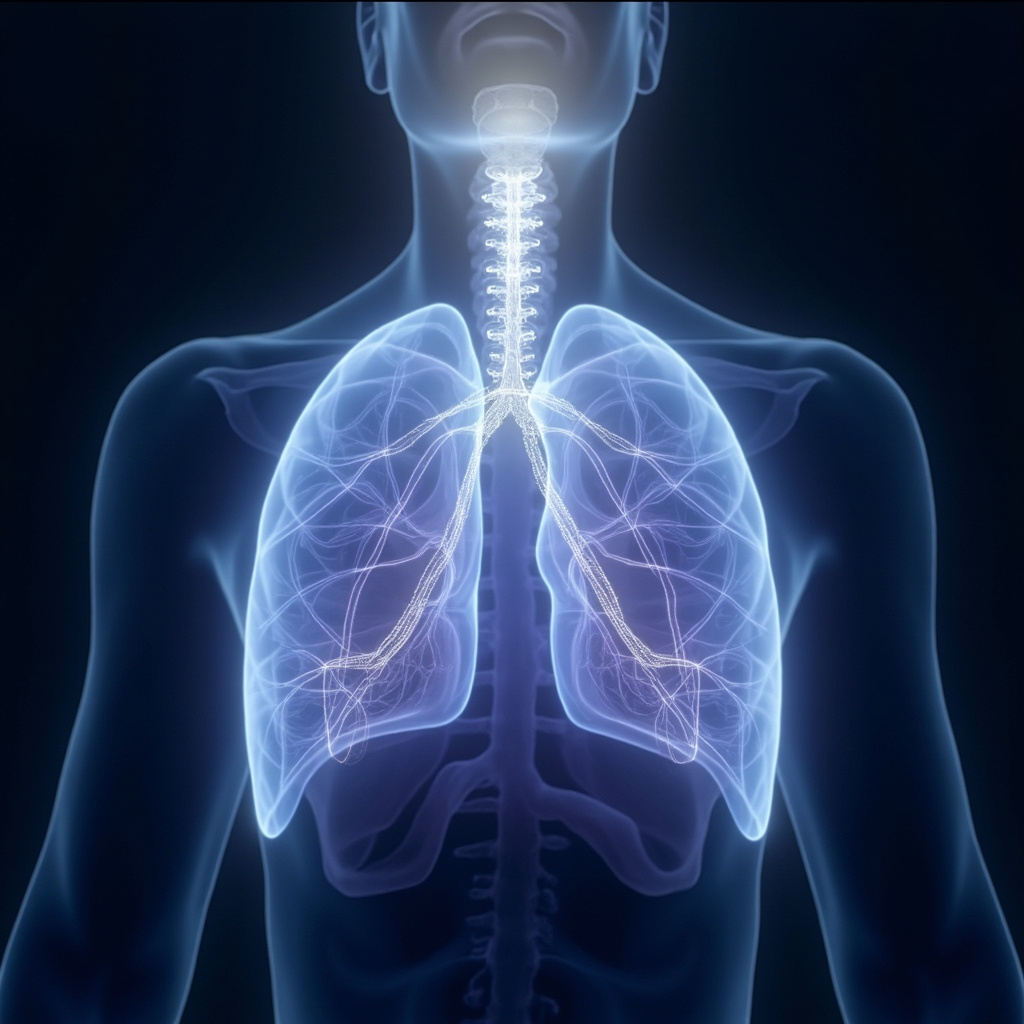
Your diaphragm is a dome-shaped sheet of muscle sitting right under your lungs and heart. It acts like a piston, flattening out when you breathe in to pull air deep into your lungs and curving back up to push it out. For more details, check the diaphragm glossary.
This muscle is key to efficient breathing. Most people breathe shallowly from the chest during stress, which tires the body and limits oxygen. Deep diaphragmatic breathing, or belly breathing, engages the diaphragm fully for fuller breaths and more oxygen.
Why the Diaphragm Matters for Sleep
During sleep, steady diaphragm action keeps oxygen flowing smoothly. Issues like tension or weakness here show up as restless nights, snoring, or even sleep apnea, where breathing pauses. In sleep apnea, the diaphragm works overtime but can't fully counter upper airway collapse, leading to fragmented rest and daytime fatigue.
As a sleep coach, I see links to circadian rhythm disruptions. Poor diaphragm function raises stress hormones like cortisol at night, blocking deep recovery stages. It also lowers heart rate variability (HRV), a sign of poor parasympathetic balance-the rest-and-digest mode needed for recharge.
Breathing patterns shift in sleep: the diaphragm dominates in REM, when dreams happen. If it's sluggish, oxygen dips, waking you subtly and cutting restorative sleep.
Emotional Connections to the Diaphragm
The diaphragm ties closely to feelings. Think of how anxiety tightens your chest or fear catches your breath-it's the diaphragm clenching. This muscle channels life force through breath, so blocks here mirror emotional stuckness: feeling trapped, fearing loss of control, or craving freedom while holding back.
Chronic stress keeps it rigid, fueling a cycle. Tense diaphragm means shallow breaths, more anxiety, worse sleep. Releasing it eases pent-up tension, calms the mind, and invites emotional balance.
The Diaphragm as a Recovery Resource
When strong, the diaphragm supports the whole body. It boosts oxygen to organs, aiding energy restoration. It promotes relaxation by activating the vagus nerve, lifting HRV and quieting stress responses.
In assessments of body electrical activity, low diaphragm energy or high agitation flags issues. Balanced, it helps lungs, heart, and gut thrive, enhancing vitality and cutting fatigue.
What Research Shows
Studies back this up. A 2025 review in Frontiers in Sleep analyzed six trials where breathing exercises, including diaphragmatic ones, improved sleep scores in groups like cancer patients, back pain sufferers, and stressed nurses. Sessions of 10-60 minutes, done daily for weeks, boosted overall sleep quality by easing autonomic imbalances.
Another study on nurses during COVID found diaphragmatic breathing training cut poor sleep ratings from 11.25 to 8.12 on the PSQI scale, shortened time to fall asleep, and lowered anxiety scores. It ramps parasympathetic activity for calmer states and better HRV.
Pilots even test manual diaphragm release, hinting at feasibility for deeper rest.
Tips to Tune Your Diaphragm for Better Sleep
Start simple:
- 4-7-8 Breathing: Inhale for 4 counts through nose (belly rises), hold 7, exhale 8 through mouth. Do 4 rounds before bed to sync rhythms.
- Bedtime Belly Breaths: Lie down, hand on belly. Breathe so belly lifts, not chest. 5-10 minutes eases cortisol spikes.
- Daytime Awareness: Notice shallow breaths during stress. Pause, deepen. Builds resilience.
- Posture Check: Slouching compresses the diaphragm. Sit/stand tall for freer movement.
Track progress via sleep logs or HRV apps. Consistent practice aligns breathing with your natural cycles, unlocking profound recovery.
Your diaphragm waits as a quiet ally. Breathe into it, and watch sleep transform.
- 1. centerwatch.com
- 2. othership.us
- 3. pmc.ncbi.nlm.nih.gov
- 4. researchgate.net
- 5. bhf.org.uk
- 6. inbornvoice.com
- 7. advanced.onlinelibrary.wiley.com
- 8. buffalo.edu
- 9. lifespa.com
- 10. physio-pedia.com
- 11. pubs.rsc.org
- 12. ukinstitute.org
- 13. pubmed.ncbi.nlm.nih.gov
- 14. facebook.com
- 15. frontiersin.org
- 16. clinicaltrials.gov
- 17. sciencedirect.com
- 18. nature.com
- 19. games.jmir.org
- 20. optimalbreathing.com
- 21. publications.ersnet.org
- 22. mdpi.com
- 23. myofascialmississauga.com
- 24. researchgate.net
- 25. pubmed.ncbi.nlm.nih.gov
- 26. somnox.com
- 27. buteykoclinic.com
- 28. layahealthcare.ie
- 29. pmc.ncbi.nlm.nih.gov
- 30. pubmed.ncbi.nlm.nih.gov
- 31. pmc.ncbi.nlm.nih.gov
- 32. pmc.ncbi.nlm.nih.gov
- 33. frontiersin.org
- 34. researchgate.net
- 35. pmc.ncbi.nlm.nih.gov
- 36. mayoclinichealthsystem.org
- 37. sciencedirect.com
- 38. corvallisclinic.com
- 39. betterhealth.vic.gov.au
- 40. psycnet.apa.org
- 41. researchdata.edu.au
- 42. o-p-e-n.com
- 43. breatheworks.com
- 44. mdpi.com
- 45. va.gov
- 46. pmc.ncbi.nlm.nih.gov
Related posts
Glossary
- Energy and mind Structures > oxygen
- Energy and mind Structures > Scale
- Body zones > lungs
- Body zones > diaphragm
- Body zones > mouth
- Body zones > nose
- Body zones > parasympathetic
- Body zones > chest
- Energy and mind Structures > Organs
- TCM Recipes > Back Pain Relief: Easy Remedies for Sciatica & Stiffness
- TCM Recipes > Emotional Balance: A TCM Guide to Calm Anxiety & Insomnia
- TCM Recipes > Heart Health: Remedies for Anxiety and Palpitations
- TCM Recipes > Boost Your Energy: A TCM Recipe for Fatigue Relief
- Energy and mind Structures > sleep
- Energy and mind Structures > vitality
- Energy and mind Structures > movement
- Energy and mind Structures > Stress
- Stimuli > Cortisol
- Stimuli > Cancer
- Stimuli > Moon - Nasal Passage, Breathing, Taste
- Stimuli > Pain
- Stimuli > Apnea