


Mediastinum: Core for Breathing and Deep Sleep
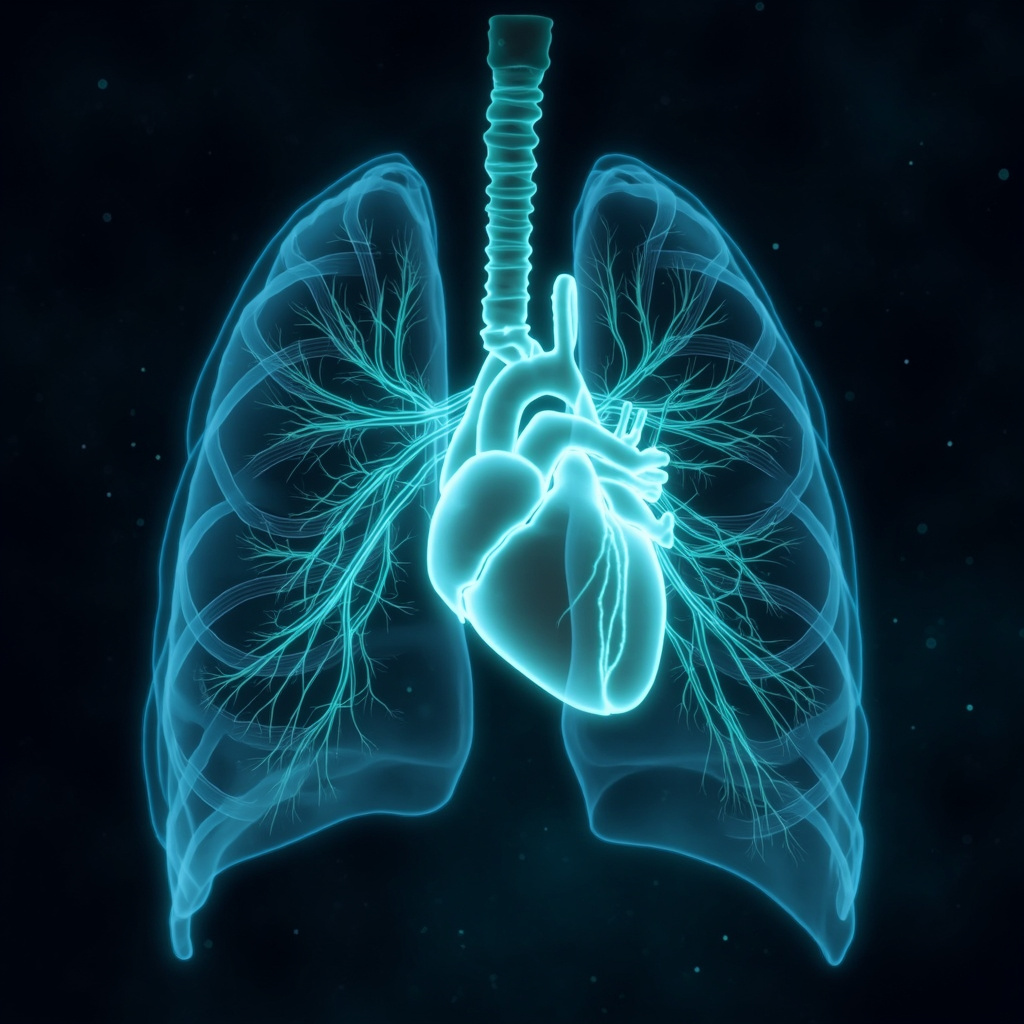
The mediastinum forms the central compartment of your chest, positioned between the lungs. It safeguards essential structures: the heart, trachea (your main airway), esophagus (food pipe), and large blood vessels. These work together for steady breathing, heartbeat, and nutrient delivery throughout the body. Learn more about the mediastinum.
Vital Role in Daily Function
When healthy, the mediastinum ensures these organs move freely and communicate effectively. Your heart pumps oxygen-rich blood efficiently, while the trachea channels air smoothly to the lungs. This supports steady energy levels and calm during rest. Proper function here underpins good circulation and respiration, which are foundational for overnight recovery.
Disruptions, from infections to swelling, can compress these areas. This leads to shortness of breath, chest discomfort, or trouble swallowing. Over time, such issues strain the body, raising stress signals and interfering with natural rest cycles.
How Imbalances Steal Your Sleep
Breathing challenges from mediastinum strain often worsen at night. Shallow breaths reduce oxygen flow, fragmenting sleep stages. You might wake frequently, feeling unrested despite hours in bed. Poor circulation affects heart rate variability (HRV), a key marker of recovery. Low HRV signals the body remains in alert mode, blocking deep, restorative phases.
Circadian rhythm alignment suffers too. Evening wind-down becomes harder when chest tension lingers, elevating cortisol (stress hormone) and delaying melatonin rise. Studies link respiratory irregularities to insomnia maintenance, where mid-night awakenings persist.
Common signs include:
- Waking with dry mouth or gasping
- Daytime fatigue despite sleep
- Heightened anxiety before bed
- Irregular heartbeat sensations
Emotional Ties to Chest Pressure
Beyond physical, the mediastinum mirrors inner states. Feelings of suffocation or being overwhelmed – like drowning in responsibilities – often localize here. Unresolved conflicts or a sense of entrapment amplify tension. This emotional load triggers shallow breathing patterns, mimicking hyperventilation and spiking stress hormones.
Chronic pressure fosters a cycle: emotional strain tightens the chest, poor breathing heightens anxiety, and sleep evades. Breaking this requires addressing both body and mind, restoring space for calm.
Harnessing the Mediastinum for Recovery
View the mediastinum as an inner ally. It excels at coordinating heart-lung harmony, smoothing breath flow, and buffering stress. Balanced, it enhances HRV for parasympathetic dominance – the rest-and-digest state ideal for sleep.
In practice:
- Deep belly breathing: Expands the chest, easing mediastinum pressure. Inhale for 4 counts, hold 4, exhale 6.
- Evening routines: Dim lights early to sync circadian cues, supporting hormonal balance.
- Posture awareness: Avoid slouching; upright alignment frees the central chest.
- Stress release: Journal overwhelming thoughts before bed to lighten emotional load.
BioCoherence reveals the mediastinum's biomarkers – energy, activity, and links – from electrical readings. High agitation might flag stress interference; low vitality, recovery blocks. Resonance frequencies target these, promoting equilibrium. Guiding words in sessions invite awareness: "Feel the central space open, allowing breath and heart to align in peace."
Path to Restorative Nights
Prioritizing mediastinum balance transforms sleep. Expect steadier HRV, fewer awakenings, and mornings with vitality. Respiratory ease feeds circadian stability, curbing cortisol spikes. Emotionally, it creates inner freedom, dissolving overwhelm.
Those with breathing quirks or stress-sleep loops benefit most. Track progress via rest quality and energy. Small shifts here yield profound recovery, aligning body rhythms for biologically tuned rest.
- 1. pubmed.ncbi.nlm.nih.gov
- 2. apexmedicalcenter.com
- 3. sciencedirect.com
- 4. pulmonologyadvisor.com
- 5. pubmed.ncbi.nlm.nih.gov
- 6. science.org
- 7. sparshdiagnostica.com
- 8. tandfonline.com
- 9. pubmed.ncbi.nlm.nih.gov
- 10. pmc.ncbi.nlm.nih.gov
- 11. nature.com
- 12. frontiersin.org
- 13. kidshealth.org
- 14. ahajournals.org
- 15. ahajournals.org
- 16. pubmed.ncbi.nlm.nih.gov
- 17. frontiersin.org
- 18. craftbodyscan.com
- 19. linkedin.com
- 20. pubmed.ncbi.nlm.nih.gov
- 21. pmc.ncbi.nlm.nih.gov
- 22. atsjournals.org
- 23. journal.chestnet.org
- 24. pubmed.ncbi.nlm.nih.gov
- 25. researchgate.net
- 26. mdpi.com
- 27. 4dmedical.com
- 28. pmc.ncbi.nlm.nih.gov
- 29. sciencedirect.com
- 30. my.clevelandclinic.org
- 31. pmc.ncbi.nlm.nih.gov
- 32. sciencedirect.com
- 33. pubmed.ncbi.nlm.nih.gov
- 34. hopkinsmedicine.org
- 35. pmc.ncbi.nlm.nih.gov
- 36. sciencedirect.com
- 37. pubmed.ncbi.nlm.nih.gov
- 38. foundation.aasm.org
- 39. pulmonologyadvisor.com
- 40. pmc.ncbi.nlm.nih.gov
- 41. webmd.com
- 42. pubmed.ncbi.nlm.nih.gov
- 43. tandfonline.com
- 44. pmc.ncbi.nlm.nih.gov
- 45. pubmed.ncbi.nlm.nih.gov
- 46. mdpi.com
- 47. pennmedicine.org
- 48. researchgate.net
Related posts
Glossary
- Energy and mind Structures > oxygen
- Energy and mind Structures > Peace
- Body zones > hormonal
- Body zones > hormones
- Body zones > lungs
- Body zones > mediastinum
- Body zones > mouth
- Body zones > parasympathetic
- Body zones > respiratory
- Body zones > trachea
- Body zones > chest
- Energy and mind Structures > Organs
- TCM Recipes > Circulation: Boost Energy and Warm Your Extremities
- TCM Recipes > Heart Health: Remedies for Anxiety and Palpitations
- TCM Recipes > Boost Your Energy: A TCM Recipe for Fatigue Relief
- Energy and mind Structures > sleep
- Energy and mind Structures > vitality
- Energy and mind Structures > equilibrium
- Energy and mind Structures > Stress
- Stimuli > Cortisol
- Stimuli > Moon - Nasal Passage, Breathing, Taste
- Stimuli > Harmony
- Stimuli > Blood
- Stimuli > Melatonin
see also...
- Energy and mind Structures > HRV
- Energy and mind Structures > Body zones > substantia nigra
- Energy and mind Structures > TCM Recipes > Tension Headache Relief: A Natural Approach to Ease Stress
- Testimonials > 61% Drop in Nausea and 58% in Headaches from Sound Therapy
- Binaural beats > Stimuli > Melatonin