


Lung Lobes: Foundation for Deep Sleep
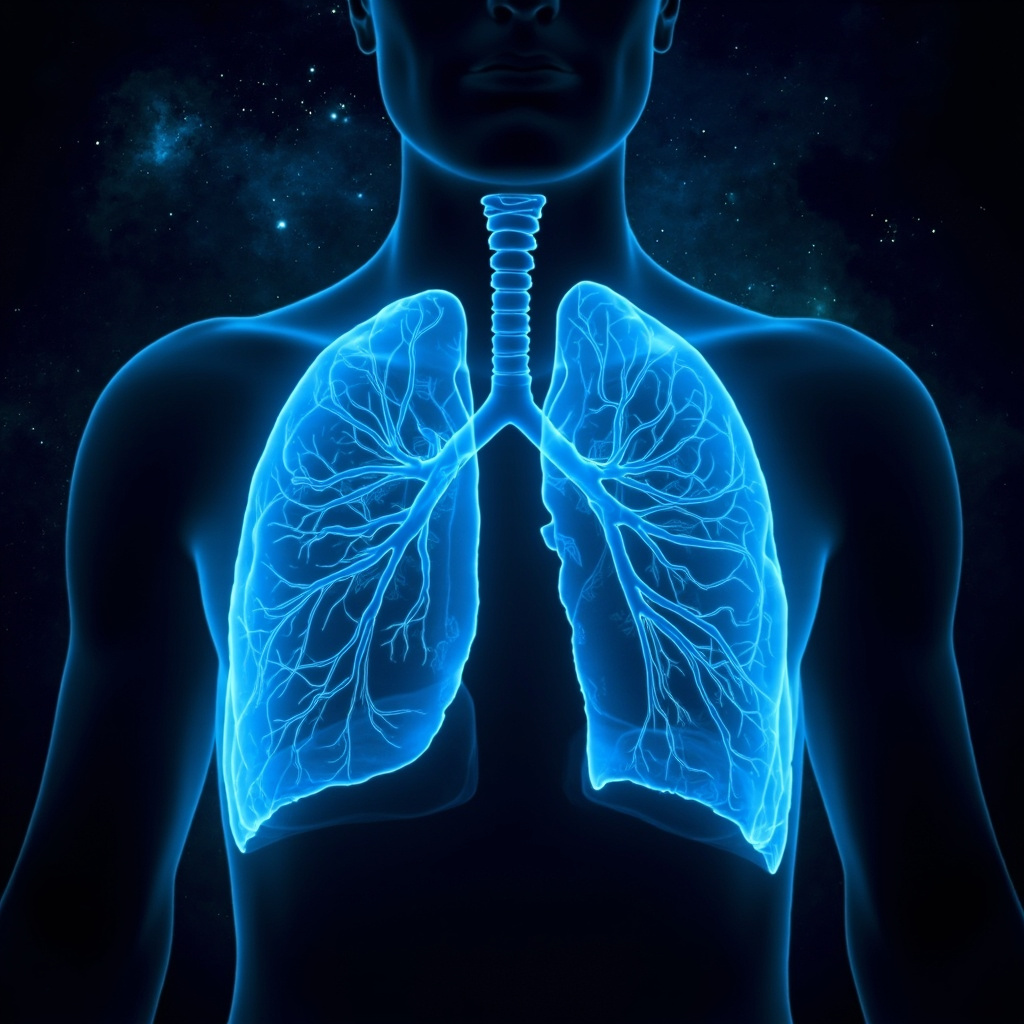
Discovering Lung Lobes
Lung lobes are the main sections of your lungs. The right lung has three lobes: upper, middle, and lower. The left lung has two: upper and lower. These parts handle the swap of oxygen into your blood and carbon dioxide out of your body. For more details, see the lobes glossary.
Healthy lobes mean smooth breathing and steady energy all day and night. When they falter, you might feel short of breath, tired, or low on oxygen. Conditions like infections can block this process, leading to distress.
Lung Lobes and Restorative Sleep
As a sleep coach, I focus on how breathing supports deep recovery. During sleep, your body needs full oxygen to repair tissues, balance hormones like cortisol, and boost heart rate variability (HRV). HRV measures how well your nervous system adapts-higher is better for calm, quality rest.
Lung lobes drive this by expanding fully with each breath. In deep sleep, breathing slows and deepens, filling the lobes for rich oxygenation. Poor lobe function causes shallow breaths, drops in oxygen, and wake-ups. This links to issues like sleep apnea, where airways narrow, straining the lungs and disrupting circadian rhythms.
Studies show lung health ties directly to sleep. For example, better respiratory function cuts nighttime awakenings and improves overall rest. Recent research confirms breathing exercises enhance sleep by strengthening lung efficiency and oxygenation.
Emotional Links to Lung Lobes
Lungs hold more than air-they reflect feelings. The lobes often connect to fear, anxiety, and unresolved grief. A tight chest from worry can mimic suffocation, trapping breath and heightening stress at bedtime.
Feeling overwhelmed or fearful about life? It may show in restricted breathing, raising cortisol and blocking melatonin for sleep onset. Grief, too, disrupts rest-up to 91% of those grieving report poor sleep, with fragmented nights and low energy.
In BioCoherence, we check lobe biomarkers from a simple electrical activity recording. Energy levels, agitation, and connections reveal imbalances. Low energy might signal emotional blocks; high agitation, anxiety-driven tension.
Lobes as a Recovery Ally
Strong lung lobes aid the whole body. They deliver oxygen for metabolism, clear waste gases, and calm fear-based stress. Picture them supporting adrenals during recovery or steadying the heart for stable HRV.
When lobes act as a resource, they boost vitality. Directing attention here-through guided words or resonance-eases breathing, softens emotions, and invites deeper sleep.
Breathing Tips for Sleep Balance
Try these to engage your lobes:
- Diaphragm breaths: Lie down, hand on belly. Inhale slowly through nose (4 counts), feel belly rise, lobes fill. Exhale longer (6 counts). Do 10 minutes before bed.
- 4-7-8 method: Inhale 4, hold 7, exhale 8. Calms anxiety, steadies HRV.
- Pursed-lip breathing: Gentle exhale through lips supports lobe expansion, cuts stress.
Research backs this: daily breathing for a month improves sleep scores, reduces anxiety, and aids those with apnea.
Track your rest: note easier sleep onset? Fewer wake-ups? Consistent practice aligns circadian patterns, restores energy.
Balance your lung lobes for breath that carries you into profound, healing sleep.
- 1. publications.ersnet.org
- 2. zenshiatsuandwellbeing.co.uk
- 3. journals.lww.com
- 4. mdpi.com
- 5. pmc.ncbi.nlm.nih.gov
- 6. sleepdrs.com
- 7. pubmed.ncbi.nlm.nih.gov
- 8. pmc.ncbi.nlm.nih.gov
- 9. frontiersin.org
- 10. onlinelibrary.wiley.com
- 11. frontiersin.org
- 12. sciencedirect.com
- 13. facebook.com
- 14. newsroom.heart.org
- 15. pubmed.ncbi.nlm.nih.gov
- 16. lincare.com
- 17. pubmed.ncbi.nlm.nih.gov
- 18. instagram.com
- 19. pmc.ncbi.nlm.nih.gov
- 20. pubmed.ncbi.nlm.nih.gov
- 21. pubmed.ncbi.nlm.nih.gov
- 22. sciencedirect.com
- 23. pneumon.org
- 24. pubmed.ncbi.nlm.nih.gov
- 25. pmc.ncbi.nlm.nih.gov
- 26. mdpi.com
- 27. lung.org
- 28. maxhealthcare.in
- 29. sleepfoundation.org
- 30. researchgate.net
- 31. journal.chestnet.org
- 32. pubmed.ncbi.nlm.nih.gov
- 33. pubmed.ncbi.nlm.nih.gov
- 34. youtube.com
- 35. pmc.ncbi.nlm.nih.gov
- 36. pubmed.ncbi.nlm.nih.gov
- 37. pubmed.ncbi.nlm.nih.gov
- 38. pubmed.ncbi.nlm.nih.gov
- 39. reviveresearch.org
- 40. pmc.ncbi.nlm.nih.gov
Related posts
Glossary
- Energy and mind Structures > oxygen
- Energy and mind Structures > carbon
- Energy and mind Structures > Focused Coherence; Focus
- Energy and mind Structures > Drive
- Energy and mind Structures > Grief
- Body zones > hormones
- Body zones > lungs
- Body zones > lobes
- Body zones > nose
- Body zones > respiratory
- Body zones > tissues
- Body zones > chest
- TCM Recipes > Heart Health: Remedies for Anxiety and Palpitations
- TCM Recipes > Lung Support: A TCM Recipe for Respiratory Health
- Energy and mind Structures > sleep
- Energy and mind Structures > vitality
- Energy and mind Structures > Stress
- Stimuli > Cortisol
- Stimuli > Moon - Nasal Passage, Breathing, Taste
- Stimuli > AIDS
- Binaural beats > Nervous System: A Program for Emotional Balance and Relaxation
- Stimuli > Apnea
- Stimuli > Blood
- Stimuli > Melatonin
- Stimuli > GAPDH, Metabolism
see also...
- Energy and mind Structures > HRV
- Energy and mind Structures > Body zones > substantia nigra
- Energy and mind Structures > TCM Recipes > Skin Health: Remedies for Acne and Eczema
- Testimonials > 61% Drop in Nausea and 58% in Headaches from Sound Therapy
- Binaural beats > Stimuli > Chakra Throat
- Binaural beats > Transmutation: A Sound Journey for Personal Change