


Anterior Pituitary: Sleep's Hormone Command Center
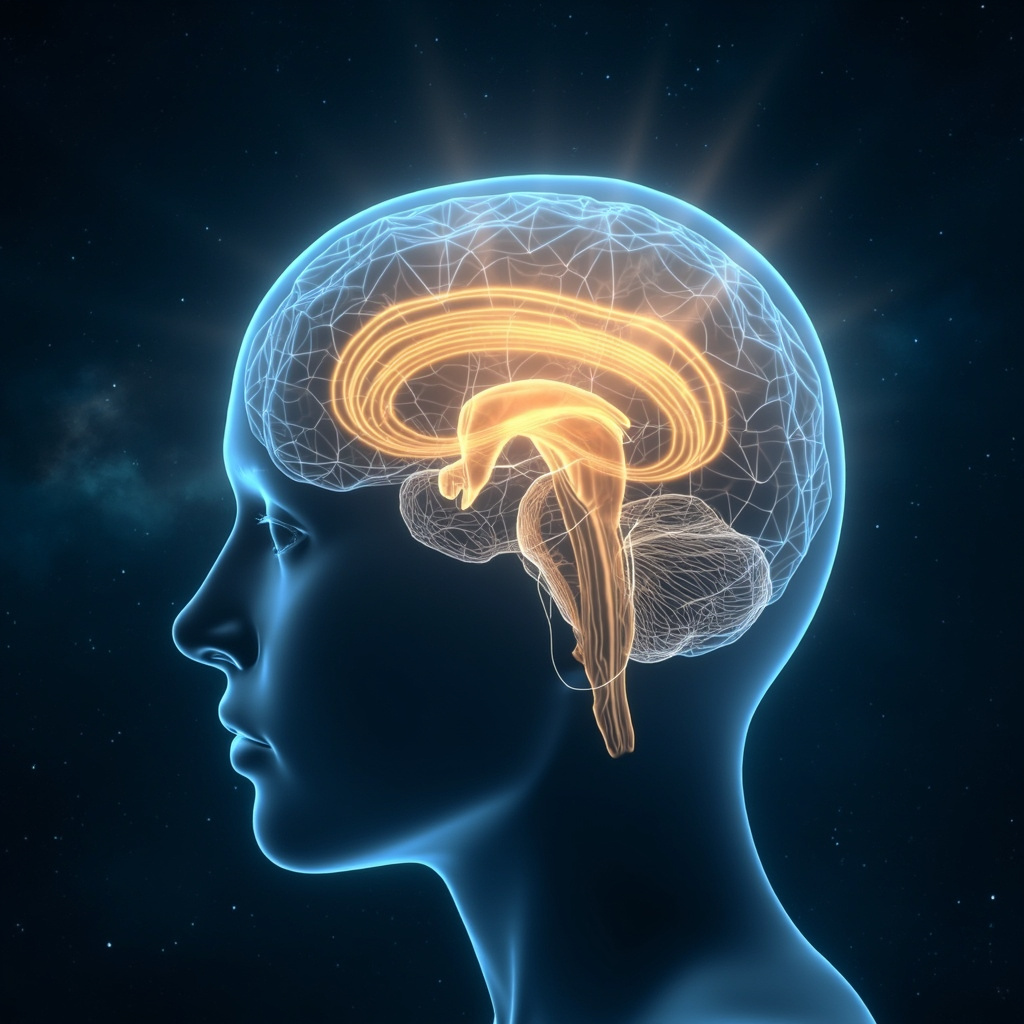
Location and Basic Function
The anterior pituitary gland rests at the base of your brain, tucked into a bony pocket called the sella turcica. It acts as a master switch, directing many body processes by releasing key hormones. Learn more in the glossary.
Think of it as your body's hormone factory. It produces:
- Growth hormone (GH): Supports tissue repair and growth, peaking during deep sleep for overnight recovery.
- Thyroid-stimulating hormone (TSH): Tells the thyroid to manage metabolism and energy levels.
- Adrenocorticotropic hormone (ACTH): Triggers cortisol release for handling stress.
- Prolactin: Influences milk production but also affects sleep cycles and mood.
- Follicle-stimulating hormone (FSH) and luteinizing hormone (LH): Guide reproductive health and hormone balance.
These hormones keep growth, energy use, stress reactions, and fertility in check.
Connection to Sleep and Recovery
Sleep and the anterior pituitary are deeply linked. Growth hormone surges in the first few hours of deep sleep, helping repair muscles, boost immunity, and restore energy. Poor sleep cuts this release, leading to fatigue and slower healing.
ACTH follows your body's clock, peaking in the morning to wake you with cortisol. Disruptions here cause high nighttime cortisol, fragmenting sleep and raising heart rate variability (HRV) issues. This creates a cycle: stress keeps you awake, bad sleep worsens stress hormones.
Prolactin rises during sleep, aiding relaxation. Imbalances might contribute to restless nights or early awakenings.
Recent research shows sleep disorders alter these pituitary hormones, affecting circadian rhythm and overall rest. For example, studies link poor sleep to lower GH and TSH pulses, slowing recovery and vitality.
Signs of Imbalance
When off balance, the anterior pituitary can signal through:
- Fatigue despite rest.
- Weight changes from metabolism shifts.
- Mood swings or anxiety from stress hormone glitches.
- Trouble with focus or motivation.
- Reproductive issues like irregular cycles.
These often tie to broader sleep problems, like trouble falling asleep or staying asleep.
Emotional Side
Beyond physical roles, this gland connects to feelings of powerlessness, inferiority, or identity struggles. Overwhelming duties, past failures, or unmet needs for approval can stress it. These emotions ramp up cortisol, blocking deep sleep.
Releasing such feelings through reflection or guided practices can ease the gland's load, improving hormone flow and rest.
As a Supportive Resource
A healthy anterior pituitary aids the whole body. It fine-tunes:
- Growth and repair via GH, key for post-sleep vitality.
- Stress handling through ACTH, stabilizing HRV.
- Metabolism with TSH for steady energy.
- Reproduction with FSH/LH for balance.
It promotes harmony, helping organs work together for calm nights and energized days.
Practical Steps for Balance
To support your anterior pituitary and sleep:
- Stick to consistent bedtimes for circadian alignment.
- Reduce evening stress with deep breathing to lower cortisol.
- Eat foods rich in nutrients for hormone health, like nuts for magnesium.
- Practice short meditations focusing on inner strength to address emotional blocks.
- Track sleep patterns; note energy upon waking.
Personalized audio frequencies tuned to its resonance can gently guide balance, enhancing recovery. Combined with daily routines, this fosters deeper, restorative sleep.
By nurturing this gland, you unlock better HRV, lower stress, and true circadian harmony. Rest becomes a powerful ally for health.
- 1. youtube.com
- 2. endocrine-abstracts.org
- 3. academic.oup.com
- 4. psychcentral.com
- 5. healthdirect.gov.au
- 6. ncbi.nlm.nih.gov
- 7. pmc.ncbi.nlm.nih.gov
- 8. nature.com
- 9. facebook.com
- 10. pmc.ncbi.nlm.nih.gov
- 11. coalitionchicago.com
- 12. globalrph.com
- 13. youtube.com
- 14. severnclinics.co.nz
- 15. sciencedirect.com
- 16. my.clevelandclinic.org
- 17. youtube.com
- 18. frontiersin.org
- 19. youtube.com
- 20. pituitaryworldnews.org
- 21. endocrine.org
- 22. pmc.ncbi.nlm.nih.gov
- 23. pmc.ncbi.nlm.nih.gov
- 24. youtube.com
- 25. youtube.com
- 26. pmc.ncbi.nlm.nih.gov
- 27. academic.oup.com
- 28. youtube.com
- 29. integrativepro.com
- 30. tmjandsleepsolutions.com
- 31. madeinheene.hee.nhs.uk
- 32. youtube.com
- 33. frontiersin.org
- 34. neupsykey.com
- 35. mayoclinic.org
- 36. my.clevelandclinic.org
- 37. healthcare.utah.edu
- 38. stacks.cdc.gov
- 39. mdpi.com
- 40. researchgate.net
- 41. sciencedirect.com
- 42. shoresidetherapies.com
- 43. pmc.ncbi.nlm.nih.gov
- 44. cambridge.org
Related posts
Glossary
- Energy and mind Structures > magnesium
- Energy and mind Structures > Focused Coherence; Focus
- Energy and mind Structures > Clock
- Energy and mind Structures > Immunity
- Body zones > anterior
- Body zones > hormones
- Body zones > muscles
- Energy and mind Structures > Organs
- TCM Recipes > Thyroid Support: Natural Remedies for Fatigue & Weight
- TCM Recipes > Brain Boost: Clear Fog, Improve Focus & Memory
- TCM Recipes > Boost Your Energy: A TCM Recipe for Fatigue Relief
- Energy and mind Structures > sleep
- Energy and mind Structures > vitality
- Energy and mind Structures > Stress
- Stimuli > IGF1, Growth
- Stimuli > Cortisol
- Stimuli > Moon - Nasal Passage, Breathing, Taste
- Stimuli > AIDS
- Stimuli > Reproductive
- Stimuli > Harmony
- Stimuli > GAPDH, Metabolism
see also...
- Energy and mind Structures > HRV
- Energy and mind Structures > Body zones > cerebrospinal fluid
- Energy and mind Structures > TCM Recipes > Tension Headache Relief: A Natural Approach to Ease Stress
- Testimonials > 61% Drop in Nausea and 58% in Headaches from Sound Therapy
- Binaural beats > Stimuli > Chakra Throat