


Tryptophan: Key to Sleep and Mood Balance
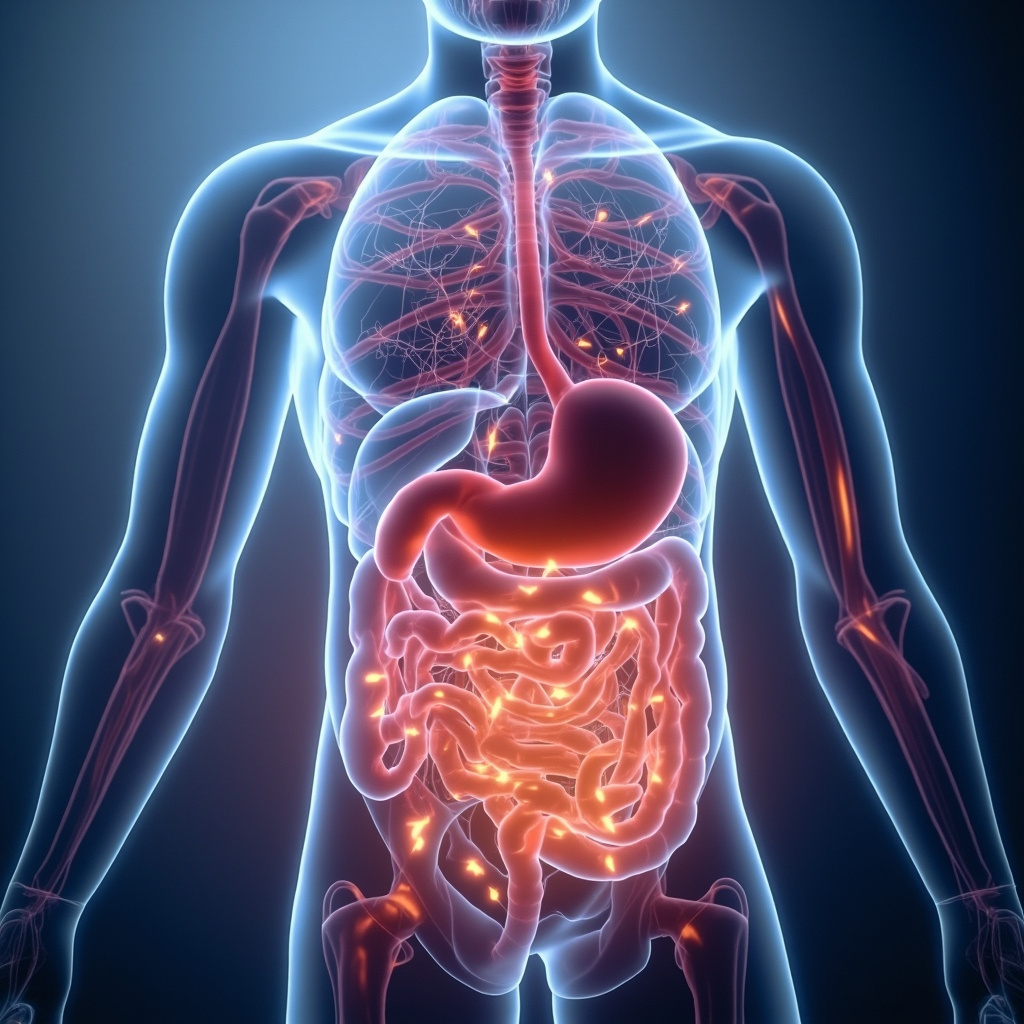
Tryptophan stands out as a vital building block in the body, influencing how we rest at night and feel during the day. Found in the brain, blood, and gut, this essential amino acid cannot be made by our bodies, so we must get it from food. It serves as the starting point for creating serotonin, which helps steady our moods and appetites, and melatonin, the hormone that guides our sleep-wake cycles.
In BioCoherence assessments, tryptophan appears as a key biomarker. For more details, check the tryptophan glossary. When balanced, it promotes clear thinking, emotional steadiness, and deep recovery during sleep.
How Tryptophan Fuels Restful Nights
Your body converts tryptophan into serotonin in the brain and gut. At night, serotonin transforms into melatonin, signaling it's time to wind down. This natural process aligns with our circadian rhythm, the internal clock that times sleep and wakefulness.
Low tryptophan activity can disrupt this flow, leading to trouble falling asleep, frequent wake-ups, or shallow rest. As a sleep coach, I often see links between tryptophan levels and heart rate variability (HRV)-a measure of how well your nervous system recovers. Balanced tryptophan supports higher HRV, easing you into restorative sleep stages.
Studies show tryptophan-rich evenings can shorten the time to fall asleep and boost sleep efficiency. One recent trial found a blend including tryptophan reduced sleep onset by about four minutes and improved next-day relaxation.
Tryptophan's Influence on Emotions
Beyond sleep, tryptophan touches our inner world. Serotonin from tryptophan fosters feelings of calm and joy. When its function falters, it may signal deeper emotional patterns like lingering sadness, unexpressed grief, or everyday stress buildup.
People with mood dips, such as depression or anxiety, often have tryptophan pathways out of sync. This can create a cycle: poor mood hinders sleep, and restless nights worsen emotions. Addressing tryptophan helps break this loop, inviting more positivity and mental clarity.
Emotionally, tryptophan acts as a gentle ally. It encourages balance, helping process feelings of lack or unfulfillment that might quietly drain energy.
Signs Your Tryptophan Might Need Attention
Watch for these common clues:
- Difficulty staying asleep through the night
- Waking tired despite enough hours in bed
- Low mood or irritability in the mornings
- Cravings for carbs, which the body uses to boost tryptophan uptake
- Heightened stress responses, shown in elevated cortisol levels
These overlap with my focus areas: circadian balance, energy restoration, and breathing for recovery. If HRV dips or cortisol lingers high at night, tryptophan support can make a difference.
Tryptophan as a Natural Resource
When strong, tryptophan regulates moods, deepens sleep, and sharpens focus. It builds resilience against stress, aiding emotional well-being and cognitive flow. In guided practices, directing attention to tryptophan-like envisioning its warm, steady flow-can enhance these benefits.
Recent research reinforces this. In adults with sleep issues, tryptophan supplementation alongside supportive nutrients improved deep sleep stages, cut awakenings, and lifted daytime vigor. Another study tied higher tryptophan intake to longer sleep in students, hinting at real-world gains.
Everyday Ways to Nurture Tryptophan
Support it simply:
- Eat smart: Turkey, eggs, cheese, pumpkin seeds, bananas, and oats deliver tryptophan. Pair with complex carbs for better absorption.
- Time your meals: Evening snacks with these foods prime melatonin without spiking blood sugar.
- Ease stress: Deep breathing lowers cortisol, freeing tryptophan for serotonin work.
- Dim lights: Evening calm preserves melatonin conversion.
- Move daily: Gentle exercise boosts circulation and mood pathways.
Track patterns with sleep logs or wearables monitoring HRV. Notice how small changes ripple into deeper rest.
Tryptophan reminds us: true recovery starts from within. By honoring this amino acid, you reclaim nights of peace and days of vitality.
- 1. academic.oup.com
- 2. pmc.ncbi.nlm.nih.gov
- 3. pubmed.ncbi.nlm.nih.gov
- 4. clinicalnutritionjournal.com
- 5. pmc.ncbi.nlm.nih.gov
- 6. dovepress.com
- 7. sciencedaily.com
- 8. clinicaltrials.gov
- 9. pmc.ncbi.nlm.nih.gov
- 10. rsdjournal.org
- 11. researchgate.net
- 12. pmc.ncbi.nlm.nih.gov
- 13. ntp.niehs.nih.gov
- 14. herbalgram.org
- 15. pmc.ncbi.nlm.nih.gov
- 16. pmc.ncbi.nlm.nih.gov
- 17. apcz.umk.pl
- 18. pmc.ncbi.nlm.nih.gov
- 19. europepmc.org
- 20. pubmed.ncbi.nlm.nih.gov
- 21. naturacare.jp
- 22. pubmed.ncbi.nlm.nih.gov
- 23. scientect.org
- 24. pmc.ncbi.nlm.nih.gov
- 25. mdpi.com
- 26. pmc.ncbi.nlm.nih.gov
- 27. examine.com
- 28. digitalcommons.pcom.edu
- 29. bbc.com
- 30. mdpi.com
- 31. naturacare.jp
- 32. academic.oup.com
- 33. pmc.ncbi.nlm.nih.gov
- 34. rthm.com
- 35. pmc.ncbi.nlm.nih.gov
Related posts
Glossary
- Energy and mind Structures > Focused Coherence; Focus
- Energy and mind Structures > Mental
- Energy and mind Structures > Sadness
- Energy and mind Structures > Peace
- Energy and mind Structures > Grief
- Energy and mind Structures > Clock
- Body zones > tryptophan
- TCM Recipes > Circulation: Boost Energy and Warm Your Extremities
- TCM Recipes > Brain Boost: Clear Fog, Improve Focus & Memory
- Energy and mind Structures > sleep
- Energy and mind Structures > vitality
- Energy and mind Structures > Stress
- Stimuli > Cortisol
- Stimuli > Serotonin
- Stimuli > Moon - Nasal Passage, Breathing, Taste
- Binaural beats > Nervous System: A Program for Emotional Balance and Relaxation
- Stimuli > Blood
- Stimuli > Melatonin
see also...
- Energy and mind Structures > HRV
- Energy and mind Structures > Body zones > tryptophan
- Energy and mind Structures > TCM Recipes > Boost Energy: A Simple Remedy for Low Energy and Fatigue
- Testimonials > 61% Drop in Nausea and 58% in Headaches from Sound Therapy
- Binaural beats > Stimuli > Melatonin
- Binaural beats > Transmutation: A Sound Journey for Personal Change