


Fischoedrius elongatus Biomarker: Gut Harmony Herbs
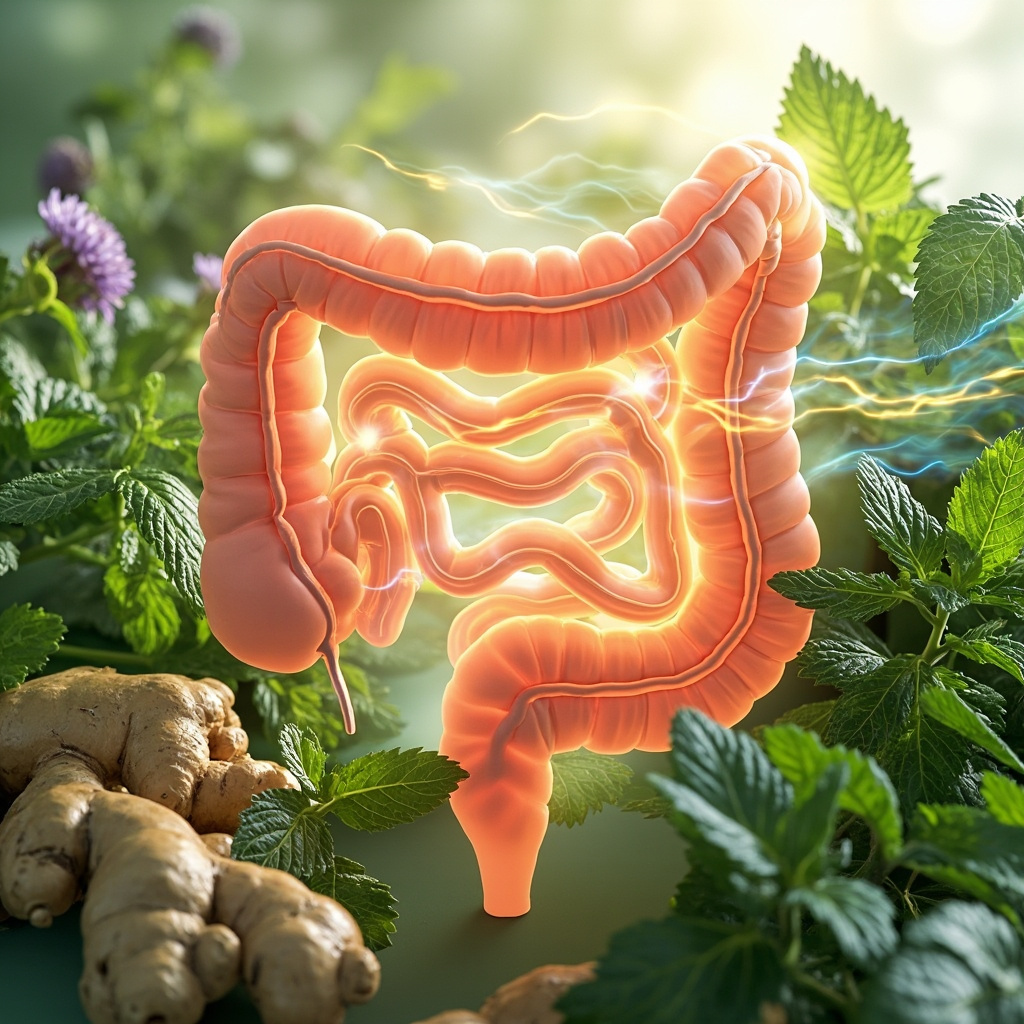
What is the Fischoedrius elongatus Biomarker?
The Fischoedrius elongatus biomarker points to a structure in the body tied to gastrointestinal health. Detected through electrical activity recordings, it reveals energy levels, agitation, and connections in the intestines. This organism-like pattern mainly causes digestive upset by releasing toxins that throw off normal gut function. When imbalanced, it leads to discomfort in the digestive tract. For more details, see the glossary entry.
In everyday terms, think of it as a signal that your gut needs attention. Bloating, irregular bowel movements, or unexplained stomach unease could relate to this marker showing strain.
Signs of Imbalance
When Fischoedrius elongatus activity is high, you might notice:
- Persistent bloating or gas after meals
- Irregular digestion, like diarrhea or constipation
- Mild abdominal pain or cramping
- Fatigue from poor nutrient absorption
- Toxin buildup signs, such as coated tongue or skin issues
These symptoms disrupt daily life and overall vitality. Biomarkers like this help spot the root before issues worsen.
Turning It into a Resource
Interestingly, Fischoedrius elongatus can shift from a challenge to a helper. When balanced, it supports gastrointestinal restoration. It brings energy to heal the gut lining, improve digestion, and clear toxins. This makes it a key ally for long-term gut wellness.
In practice, guiding attention to this structure promotes harmony. It enhances nutrient uptake and eases intestinal stress naturally.
Herbal Paths to Balance
As a herbalist, I focus on plants that target gut imbalances precisely. Based on biomarkers showing Fischoedrius elongatus strain, here are tailored remedies:
Soothing Digestion
- Peppermint: Relaxes gut muscles, reduces spasms and bloating. Brew as tea post-meals.
- Ginger: Settles nausea, boosts enzyme production for better breakdown of food.
- Licorice root: Coats the stomach lining, protects against toxins, and heals irritation.
Detox Support
- Milk thistle: Cleanses the liver, helping process gut toxins effectively.
- Dandelion root: Flushes kidneys and supports bile flow for smoother digestion.
- Burdock root: Purifies blood and binds intestinal toxins for elimination.
Immune and Inflammation Aid
- Turmeric: Lowers gut inflammation with curcumin, easing toxin damage.
- Chamomile: Calms nerves linked to stress-induced digestion woes.
Start with a simple blend: Steep ginger, peppermint, and licorice for a daily gut tea. For deeper detox, add milk thistle and dandelion weekly.
Personalization matters. If inflammation biomarkers are high alongside Fischoedrius elongatus, emphasize turmeric. For stress-related gut issues, chamomile shines.
Building a Routine
Incorporate these herbs gradually:
- Morning: Ginger tea to kickstart digestion.
- Midday: Peppermint after lunch to prevent bloat.
- Evening: Licorice or chamomile for overnight repair.
- Weekly detox: Milk thistle tincture.
Track how you feel. Herbs work with your body's wisdom, amplifying natural healing.
Why Herbs Excel Here
Plants offer gentle, targeted support without harsh side effects. They bind toxins, soothe tissues, and nourish microbiome balance. Studies on rumen flukes like similar organisms highlight digestive impacts in animals, underscoring the need for gut-focused care.
By addressing Fischoedrius elongatus through herbs, you reclaim digestive ease and vitality. This holistic approach aligns body systems for true wellness.
- 1. omicsdi.org
- 2. sciencedirect.com
- 3. complete.bioone.org
- 4. parahostdis.org
- 5. researchgate.net
- 6. nepiac.nehu.ac.in
- 7. doaj.org
- 8. semanticscholar.org
- 9. sciencedirect.com
- 10. pubmed.ncbi.nlm.nih.gov
- 11. facebook.com
- 12. pmc.ncbi.nlm.nih.gov
- 13. onlinelibrary.wiley.com
- 14. pmc.ncbi.nlm.nih.gov
- 15. scienceon.kisti.re.kr
- 16. si.edu
Related posts
Glossary
- Energy and mind Structures > Focused Coherence; Focus
- Energy and mind Structures > Structure
- Energy and mind Structures > Wellness
- Energy and mind Structures > Fischoedrius elongatus
- Body zones > kidneys
- Body zones > muscles
- Body zones > nerves
- Body zones > tissues
- Body zones > tongue
- TCM Recipes > Intestinal Harmony: A TCM Recipe for Digestive Relief
- TCM Recipes > Skin Health: Remedies for Acne and Eczema
- TCM Recipes > Digestive Relief: A Simple Guide to Ease Bloating & Indigestion
- TCM Recipes > Liver Health: A TCM Recipe for Balance and Calm
- TCM Recipes > Stomach Health: Natural Remedies for Digestive Issues
- TCM Recipes > Boost Your Energy: A TCM Recipe for Fatigue Relief
- TCM Recipes > Digestive Relief: Remedies for Abdominal Pain & Nausea
- Energy and mind Structures > organisms
- Energy and mind Structures > vitality
- Energy and mind Structures > toxins
- Energy and mind Structures > Digestion
- Energy and mind Structures > Stress
- Stimuli > Peppermint
- Stimuli > Chamomile
- Stimuli > Ginger
- Stimuli > Pain
- Binaural beats > Inflammation Relief: Heal Faster with Binaural Beats
- Binaural beats > Bowel Harmony: Enhancing Digestive Health and Balance
- Stimuli > Fischoedrius Elongatus
- Stimuli > Harmony
- Stimuli > Flukes
- Stimuli > Blood
see also...
- Energy and mind Structures > HRV
- Energy and mind Structures > Body zones > tongue
- Energy and mind Structures > TCM Recipes > Digestive Relief: Remedies for Abdominal Pain & Nausea
- Testimonials > 61% Drop in Nausea and 58% in Headaches from Sound Therapy
- Binaural beats > Stimuli > Variolinum
- Binaural beats > Bowel Harmony: Enhancing Digestive Health and Balance