


ACTH Biomarker: Herbal Resilience Paths
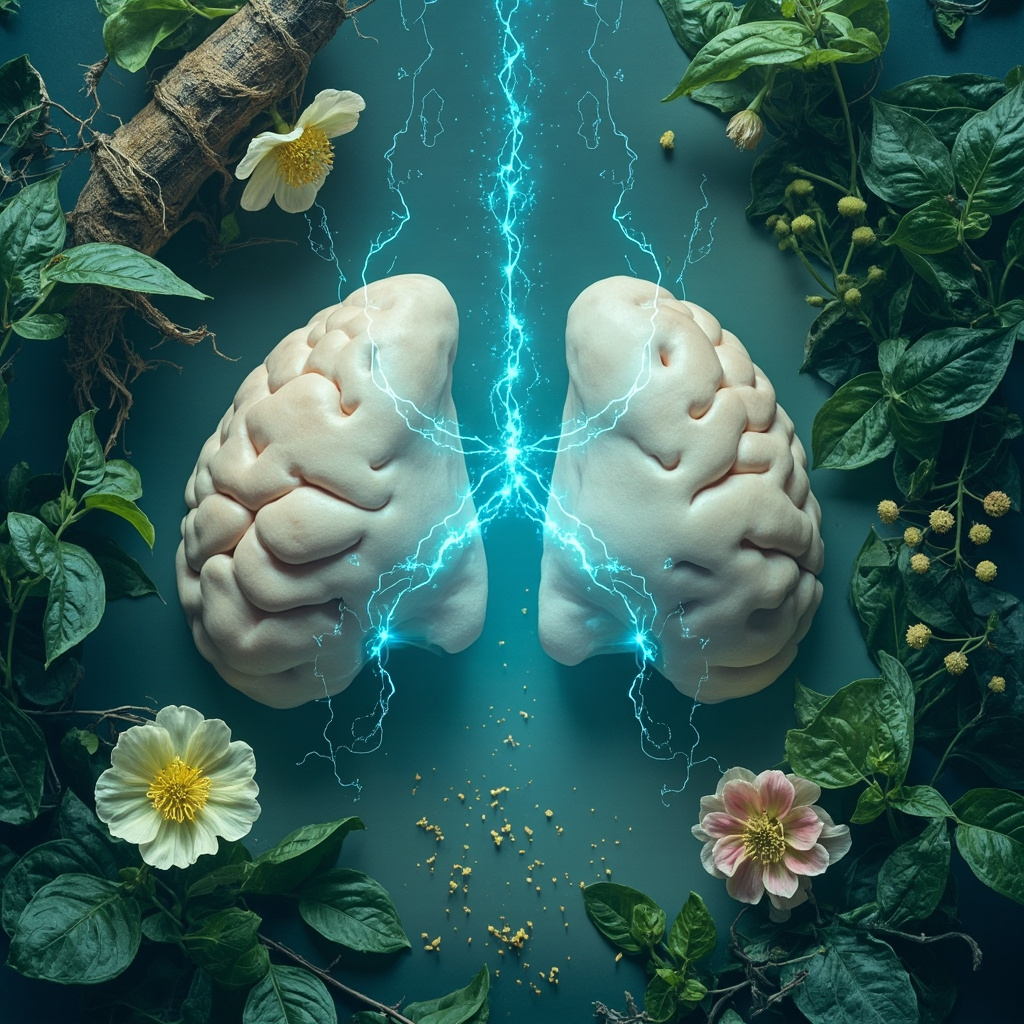
The Role of ACTH in Your Body
ACTH stands for adrenocorticotropic hormone. It comes from the pituitary gland in your brain and tells the adrenal glands above your kidneys to release cortisol. Cortisol is your body's main stress hormone. It helps control metabolism, supports your immune system, and manages how you respond to pressure in daily life. When everything works right, ACTH keeps you steady through challenges. For more details, see the ACTH glossary.
Signs of ACTH Imbalance
If ACTH levels are off, problems arise. Too little ACTH can lead to Addison's disease, where cortisol drops low. You might feel constant tiredness, lose weight, have low blood pressure, or get dizzy. Too much ACTH points to Cushing's syndrome, with high cortisol causing weight gain around the middle, high blood pressure, mood swings, and weak muscles.
These shifts show up in biomarkers from electrical activity scans. Low energy or agitation in the ACTH marker signals the need for support. Common signs include ongoing fatigue, trouble sleeping, weakened immunity, or feeling always on edge.
Emotional Ties to ACTH
ACTH links closely to how you handle emotions. High stress triggers it, but chronic worry can overload the system. You might feel overwhelmed, like life's demands are too much, leading to constant anxiety or helplessness. This creates a cycle: emotional strain boosts ACTH and cortisol, which then wears down your resilience. Balancing it helps break that loop, fostering calm and strength.
ACTH as a Key Resource
When healthy, ACTH acts as a resource. It fine-tunes cortisol to fuel metabolism, protect immunity, and build stress toughness. Think of it as your inner regulator, promoting steady energy and clear-headedness under pressure. Supporting it enhances overall health and emotional steadiness.
Herbal Strategies for ACTH Balance
Plants offer gentle ways to nurture ACTH and the stress axis. As a herbalist, I focus on adaptogens-herbs that help your body adapt to stress without extremes. Here are proven options:
- Ashwagandha: This root lowers cortisol while supporting energy. Studies show it reduces stress symptoms in weeks. Use 300-600 mg daily of root extract.
- Rhodiola: Boosts mental focus and fights fatigue. It balances the stress response, ideal for burnout. Try 200-400 mg standardized extract.
- Holy Basil (Tulsi): Calms the mind and evens cortisol. Great for anxiety tied to overwhelm. 300-500 mg leaf extract daily.
- Licorice Root: Mimics cortisol mildly to support low levels, but use short-term (avoid if high blood pressure). 100-200 mg deglycyrrhizinated form.
Combine them thoughtfully. For stress with fatigue, ashwagandha and rhodiola pair well. Add holy basil for emotional calm.
Practical Example
Imagine biomarkers show ACTH agitation from work stress: low vitality, high tension. Start with ashwagandha tea (1 tsp root steeped 10 minutes, twice daily) plus rhodiola capsules. Track mood and energy after two weeks. Pair with rest and light walks. This targets inflammation, hormones, and detox for full support.
Why Herbs Work Here
These plants influence the HPA axis-brain-adrenal communication-including ACTH. They reduce excess signals, protect glands, and ease inflammation. Research backs ashwagandha for chronic stress relief and rhodiola for anxiety reduction. Always consult a pro for personalization, especially with conditions.
Supporting ACTH builds lasting resilience. It aids immunity, steady mood, and vitality. Simple herbal steps can shift how you face daily pressures.
- 1. amazon.com
- 2. pmc.ncbi.nlm.nih.gov
- 3. pmc.ncbi.nlm.nih.gov
- 4. lamclinic.com
- 5. pmc.ncbi.nlm.nih.gov
- 6. drbrighten.com
- 7. pmc.ncbi.nlm.nih.gov
- 8. citynaturopathic.ca
- 9. rthm.com
- 10. tandfonline.com
- 11. aanmc.org
- 12. pubmed.ncbi.nlm.nih.gov
- 13. avenanaturalhealth.com
- 14. ffhdj.com
- 15. innerbody.com
- 16. ncbi.nlm.nih.gov
- 17. pmc.ncbi.nlm.nih.gov
- 18. pmc.ncbi.nlm.nih.gov
- 19. bodylogicmd.com
- 20. womenshealthnetwork.com
- 21. verywellhealth.com
- 22. mindlabpro.com
- 23. bodybio.com
- 24. frontiersin.org
- 25. edm.bioscientifica.com
- 26. sciencedirect.com
- 27. pmc.ncbi.nlm.nih.gov
- 28. pmc.ncbi.nlm.nih.gov
- 29. pmc.ncbi.nlm.nih.gov
- 30. onlinelibrary.wiley.com
- 31. wholisticmatters.com
- 32. pmc.ncbi.nlm.nih.gov
- 33. sciencedirect.com
- 34. uclahealth.org
- 35. ruthieharper.com
- 36. mdpi.com
- 37. drwillcole.com
Related posts
Glossary
- Energy and mind Structures > Focused Coherence; Focus
- Energy and mind Structures > Mental
- Energy and mind Structures > Immunity
- Body zones > glands
- Body zones > hormones
- Body zones > acth
- Body zones > kidneys
- Body zones > muscles
- Body zones > face
- TCM Recipes > Stress Relief for High Blood Pressure: A TCM Approach
- TCM Recipes > Brain Boost: Clear Fog, Improve Focus & Memory
- TCM Recipes > Adrenal Support: Remedies for Fatigue and Stress
- TCM Recipes > Boost Your Energy: A TCM Recipe for Fatigue Relief
- Energy and mind Structures > vitality
- Energy and mind Structures > blood pressure
- Energy and mind Structures > Stress
- Stimuli > Cortisol
- Stimuli > Basil
- Stimuli > AIDS
- Binaural beats > Inflammation Relief: Heal Faster with Binaural Beats
- Binaural beats > Immune System Support: Enhancing Health with Sound Frequencies
- Stimuli > Lead
- Stimuli > Blood
- Stimuli > GAPDH, Metabolism
see also...
- Energy and mind Structures > HRV
- Energy and mind Structures > Body zones > thoracic
- Energy and mind Structures > TCM Recipes > Tension Headache Relief: A Natural Approach to Ease Stress
- Testimonials > 61% Drop in Nausea and 58% in Headaches from Sound Therapy
- Binaural beats > Stimuli > Chakra Throat
- Binaural beats > Immune System Support: Enhancing Health with Sound Frequencies