


Epiphysis Biomarker: Herbal Harmony Paths
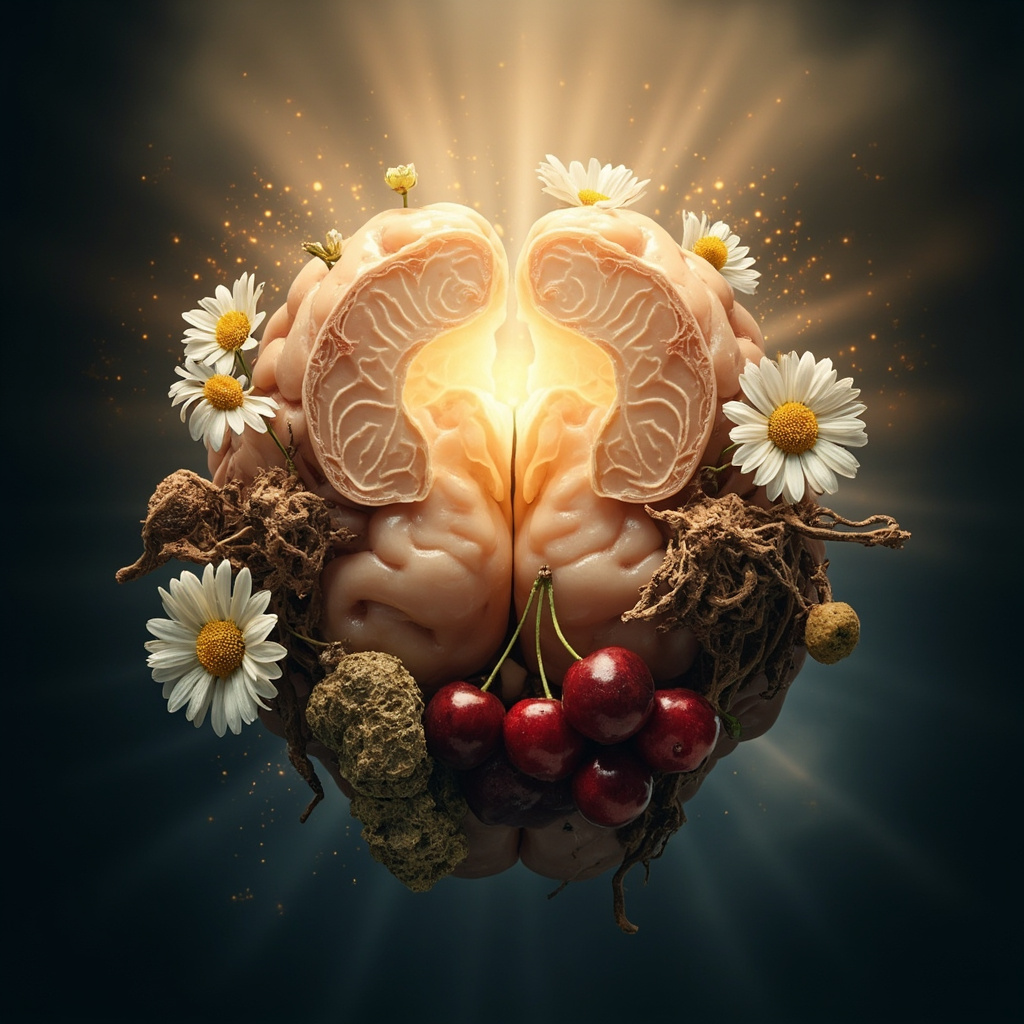
Understanding the Epiphysis
The epiphysis ([/body/124-epiphysis]), often called the pineal gland, sits deep in the brain, nestled between the two halves of the thalamus. This small, pea-sized structure produces melatonin, the hormone that guides your sleep-wake cycles. It responds to light and darkness, helping your body know when to rest and recharge. A healthy epiphysis keeps your circadian rhythms steady, promoting deep, restorative sleep and overall vitality.
Recent research from Yale School of Medicine has created tiny lab versions of the epiphysis using stem cells. These organoids mimic real gland function, producing melatonin and revealing links to sleep problems in conditions like autism and depression. This work opens doors to better understanding and treatments for those struggling with rest.
Emotional Ties to the Epiphysis
Beyond sleep, the epiphysis connects to deeper feelings. It fosters a sense of unity with the world, sparks spiritual insight, and sharpens inner wisdom. When balanced, it brings clarity and purpose, like a quiet guide in life's journey.
If out of harmony, you might feel lost, confused, or disconnected from your true path. Existential worries or foggy intuition can arise, blocking access to your higher self. These emotional signs often mirror physical unrest, such as trouble sleeping or mood shifts.
Signs of Epiphysis Imbalance
Watch for these common clues that your epiphysis needs attention:
- Difficulty falling asleep or staying asleep through the night.
- Daytime fatigue despite enough hours in bed.
- Mood swings, anxiety, or a vague sense of unease.
- Disrupted hormones affecting reproduction or energy.
- Lack of mental sharpness or intuitive hunches.
These stem from factors like stress, poor light exposure, toxins, or aging, which can calcify the gland and slow melatonin flow.
When the Epiphysis Acts as a Resource
A strong epiphysis supports the whole body. It steadies sleep for better recovery, clears emotions for calm focus, and boosts well-being. In assessments of body electrical activity, it shows as a key player, aiding organs like the brain and nerves toward harmony.
Herbal Paths to Support the Epiphysis
As a herbalist, I draw from biomarkers of stress, immunity, and hormones to craft gentle plant remedies. These nourish the epiphysis, ease calcification, and enhance melatonin naturally. Always blend personally, considering your unique needs.
For Restful Sleep and Circadian Balance
- Chamomile: Soothes nerves, promotes gentle sleep onset. Brew as tea before bed.
- Valerian root: Calms the mind, deepens rest without grogginess.
- Tart cherry: Rich in plant melatonin, supports natural production.
For Detox and Decalcification
- Turmeric: Fights inflammation, aids detox with its curcumin. Pair with black pepper for better uptake.
- Milk thistle: Shields the liver, clears toxins that burden the gland.
For Emotional Clarity and Hormones
- Ashwagandha: Adaptogen that balances stress hormones, sharpens intuition.
- Passionflower: Eases anxiety, opens pathways to inner peace.
- Goji berries: Antioxidant boost, high in melatonin-like compounds for mood lift.
Start with simple teas: chamomile and tart cherry evening blend, or ashwagandha tincture mornings. Track changes in sleep and feelings. Plants like these, from seeds and fruits, mirror the epiphysis's gifts, fostering holistic renewal.
In biomarker views, low epiphysis energy signals these herbs' call. They guide toward resonance, blending body, mind, and spirit in quiet power.
- 1. depuravita.com
- 2. youtube.com
- 3. facebook.com
- 4. youtube.com
- 5. pubmed.ncbi.nlm.nih.gov
- 6. youtube.com
- 7. frontiersin.org
- 8. pmc.ncbi.nlm.nih.gov
- 9. sleepfoundation.org
- 10. medicine.yale.edu
- 11. facebook.com
- 12. cogr.edu
- 13. researchgate.net
- 14. youtube.com
- 15. pmc.ncbi.nlm.nih.gov
- 16. iaminharmony.com
- 17. noozhawk.com
- 18. healthline.com
- 19. ncbi.nlm.nih.gov
- 20. youtube.com
- 21. ayurindus.com
- 22. family.cmho.org
- 23. powerofthesmile.com
- 24. globalhealing.com
- 25. facebook.com
- 26. pubmed.ncbi.nlm.nih.gov
- 27. accessnewswire.com
- 28. pmc.ncbi.nlm.nih.gov
- 29. pmc.ncbi.nlm.nih.gov
- 30. open.spotify.com
- 31. mdpi.com
- 32. caringsunshine.com
- 33. music.amazon.com
- 34. medrxiv.org
- 35. youtube.com
- 36. zzzquil.com
- 37. facebook.com
- 38. instagram.com
- 39. facebook.com
- 40. psychiatryinvestigation.org
- 41. jscholaronline.org
- 42. frontiersin.org
- 43. youtube.com
- 44. facebook.com
- 45. elektramagnesium.com.au
- 46. amazon.com
- 47. metagenicsinstitute.com
Related posts
Glossary
- Energy and mind Structures > Focused Coherence; Focus
- Energy and mind Structures > Structure
- Energy and mind Structures > Mental
- Energy and mind Structures > Purpose
- Energy and mind Structures > Peace
- Energy and mind Structures > Immunity
- Body zones > epiphysis
- Body zones > hormones
- Body zones > nerves
- Energy and mind Structures > Organs
- TCM Recipes > Liver Health: A TCM Recipe for Balance and Calm
- TCM Recipes > Brain Boost: Clear Fog, Improve Focus & Memory
- TCM Recipes > Herbal Relief: A TCM Approach to Lift Your Mood
- TCM Recipes > Boost Your Energy: A TCM Recipe for Fatigue Relief
- Energy and mind Structures > sleep
- Energy and mind Structures > vitality
- Energy and mind Structures > toxins
- Energy and mind Structures > Stress
- Stimuli > Chamomile
- Stimuli > AIDS
- Binaural beats > Inflammation Relief: Heal Faster with Binaural Beats
- Binaural beats > Pineal Gland Harmony: Enhancing Sleep and Well-being
- Stimuli > Harmony
- Stimuli > Melatonin
- Stimuli > SOD1, Antioxidant
see also...
- Energy and mind Structures > HRV
- Energy and mind Structures > Body zones > plasma
- Energy and mind Structures > TCM Recipes > Tension Headache Relief: A Natural Approach to Ease Stress
- Testimonials > 61% Drop in Nausea and 58% in Headaches from Sound Therapy
- Binaural beats > Stimuli > SOD1, Antioxidant
- Binaural beats > Emotional Spectrum: Healing Emotions and Health Issues