


Secale Cornutum: Meditation for Nervous Calm
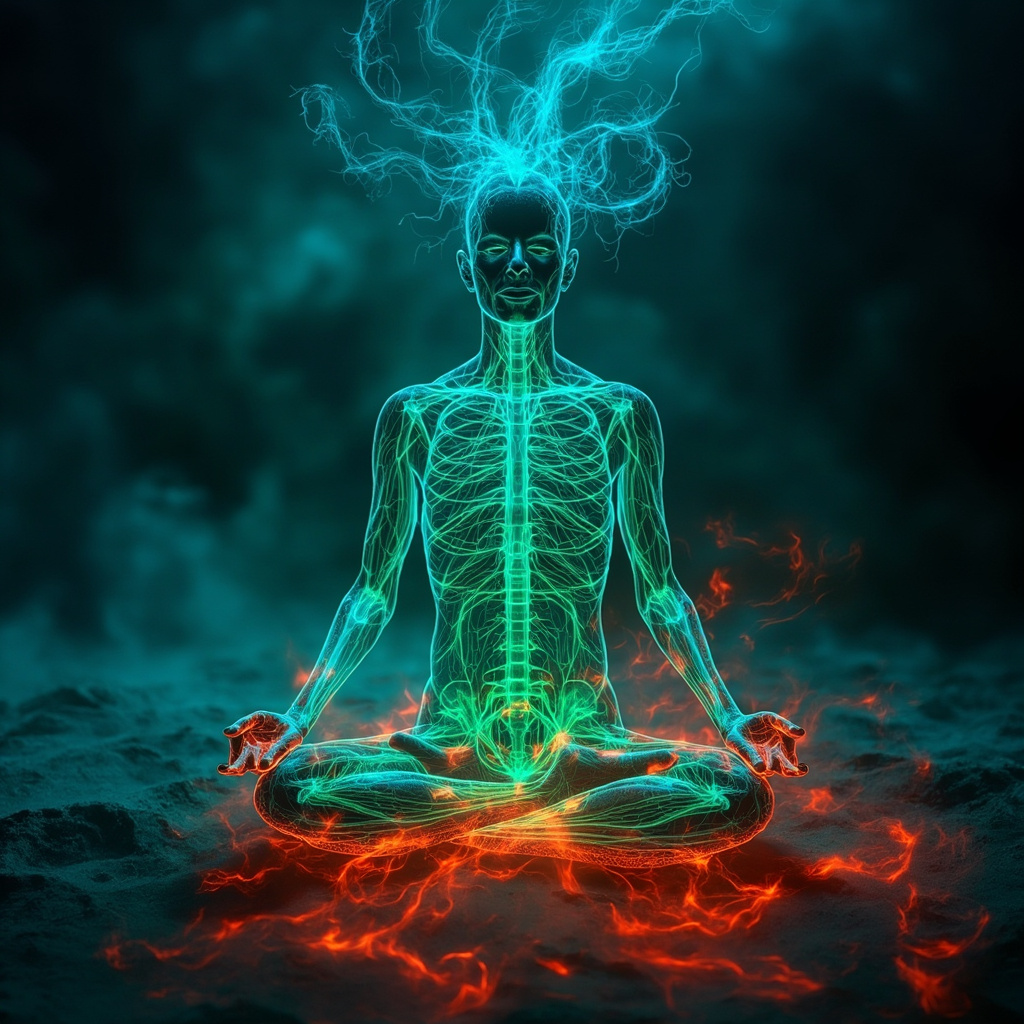
Discovering Secale Cornutum
Secale cornutum, often called ergot, is a fungus that grows on rye and other grains. When it affects the body, it targets the nervous system primarily. This can lead to serious issues like muscle spasms, known as convulsions, and even tissue damage from narrowed blood vessels, called gangrene. Historically, people eating contaminated bread faced outbreaks of these symptoms, which were terrifying and hard to understand.Secale cornutum
These physical reactions often come with strong mental effects. Imagine sudden twitching, burning pains, and visions that feel real. The body and mind feel out of control, much like overwhelming stress today.
Physical Symptoms to Recognize
Here are common signs linked to ergot's influence:
- Convulsions: Sudden, uncontrollable muscle jerks.
- Hallucinations: Seeing or hearing things that aren't there.
- Gangrene: Loss of feeling and color in fingers or toes due to poor blood flow.
- Burning sensations: Intense heat or prickling in limbs.
- Digestive upset: Nausea, vomiting, and diarrhea.
These arise because ergot tightens blood vessels and overstimulates nerves, throwing the body's natural rhythms into chaos.
The Emotional Toll
Beyond the body, Secale cornutum stirs deep emotions. Fear grips people as symptoms worsen-fear of pain, madness, or death. Anxiety builds from the unpredictability, leading to distress and even group panic in past events, like historical outbreaks mistaken for curses or hysteria.
In modern terms, this mirrors chronic stress where the mind races, sleep evades, and calm feels distant. The nervous system stays on high alert, draining energy and resilience.
Turning It into a Resource for Balance
Interestingly, when balanced, Secale cornutum supports the nervous system in reverse. It promotes relaxation, easing tension and fostering stability. Think of it as shifting from chaos to steady calm, helping release pent-up fear and rebuild emotional strength.
This balance aids heart rate variability (HRV), a simple measure of how well your heart adapts to stress. Higher HRV means better relaxation and recovery, key for emotional health.
Meditation Practices to Cultivate Calm
As a meditation coach, I guide you toward these gentle practices to regulate the nervous system and soothe ergot-like imbalances:
1. Deep Belly Breathing
Sit comfortably. Place one hand on your belly. Inhale slowly through your nose for 4 counts, feeling your belly rise. Hold for 4, exhale for 6. Repeat 10 times. This activates your body's rest response, lowering stress biomarkers.
2. Body Scan for Release
Lie down. Start at your toes, notice any tension or burning sensations. Breathe into them, imagining cool waves washing them away. Move up to your head. 10-15 minutes daily builds mental clarity and reduces agitation.
3. Loving-Kindness Visualization
Repeat silently: "May I be safe from fear. May I be calm and strong." Picture this extending to loved ones. This counters anxiety, boosting emotional regulation.
4. HRV-Focused Breathwork
Use a timer: Inhale 5 seconds, exhale 5 seconds, syncing with your pulse. Track how your heart feels steadier over time-a sign of growing resilience.
Building Lasting Inner Peace
Regular practice rewires the nervous system for balance. Start with 5 minutes daily, noticing less fear, better sleep, and clearer moods. These tools draw from biomarkers like HRV and agitation levels to personalize your path.
Embrace Secale cornutum's lesson: from disruption to harmony. Your emotional balance awaits through mindful breath and presence.
- 1. apsnet.org
- 2. facebook.com
- 3. facebook.com
- 4. amazon.com
- 5. ebay.com
- 6. extensionpubs.unl.edu
- 7. smallflower.com
- 8. en.wikipedia.org
- 9. youtube.com
- 10. boironusa.com
- 11. reactormag.com
- 12. homeoint.org
- 13. acikders.ankara.edu.tr
- 14. salemwitchmuseum.com
- 15. webmd.com
- 16. homeoint.org
- 17. asm.org
- 18. pubmed.ncbi.nlm.nih.gov
- 19. herbs2000.com
- 20. homeoint.org
- 21. massmed.org
- 22. pmc.ncbi.nlm.nih.gov
- 23. facebook.com
- 24. vithoulkas.com
- 25. cropwatch.unl.edu
- 26. pmc.ncbi.nlm.nih.gov
- 27. digirepo.nlm.nih.gov
- 28. pdfs.semanticscholar.org
- 29. ag.purdue.edu
- 30. fs.usda.gov
- 31. dailymed.nlm.nih.gov
- 32. materiamedica.info
- 33. massmed.org
- 34. medicalnewstoday.com
Related posts
Glossary
- Energy and mind Structures > Mental
- Energy and mind Structures > Secale cornutum
- Body zones > head
- Body zones > nerves
- Body zones > nose
- TCM Recipes > Heart Health: Remedies for Anxiety and Palpitations
- Energy and mind Structures > sleep
- Energy and mind Structures > Limbs, skin
- Energy and mind Structures > Theta; 4.31-6.97 Hz. Light sleep, meditation.
- Energy and mind Structures > Stress
- Stimuli > AIDS
- Stimuli > Pain
- Binaural beats > Blood Vessels & Arteries: Boost Circulation & Well-Being
- Stimuli > Lead
- Stimuli > Harmony
- Stimuli > Gangrene
- Stimuli > Blood
see also...
- Energy and mind Structures > HRV
- Energy and mind Structures > Body zones > bones
- Energy and mind Structures > TCM Recipes > Tension Headache Relief: A Natural Approach to Ease Stress
- Testimonials > 61% Drop in Nausea and 58% in Headaches from Sound Therapy
- Binaural beats > Stimuli > Variolinum
- Binaural beats > Blood Vessels & Arteries: Boost Circulation & Well-Being