


Clostridium botulinum V: Meditation for Fear Balance
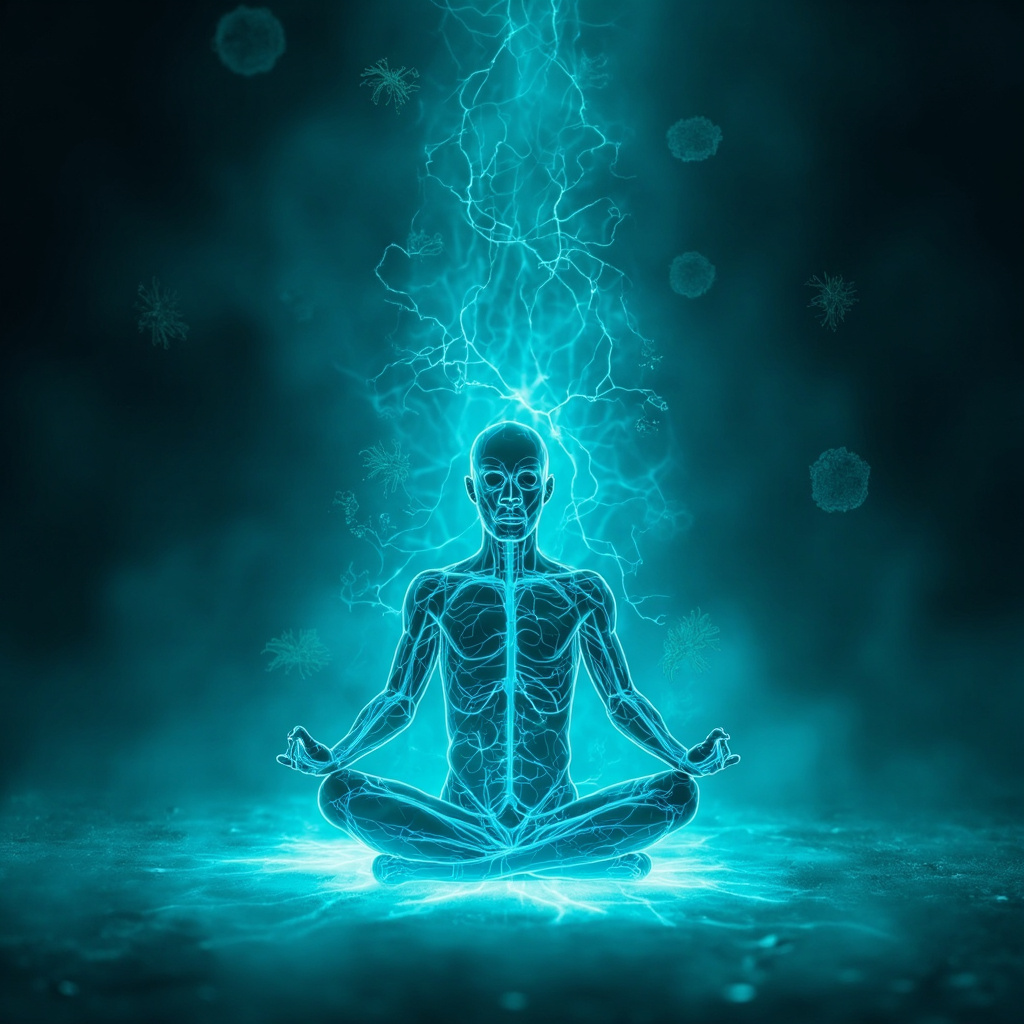
Discovering Clostridium botulinum V
Clostridium botulinum V is a type of bacterium that can show up in assessments of the body's electrical activity. It produces a substance that impacts nerves and muscles, sometimes leading to weakness or paralysis in serious cases known as botulism. In everyday health, its presence often signals imbalances in the nervous system. For more details, check the glossary at [/energy_mind/1383-clostridium-botulinum].
When out of balance, this marker highlights deeper issues like tension in nerve pathways. It serves as a window into how our body responds to potential threats, urging us to pay attention to safety and well-being.
Emotional Links: Fear, Anxiety, and Vulnerability
This bacterium ties closely to emotions such as fear and anxiety. The idea of paralysis or illness can stir up worries about health and security. People might feel vulnerable, especially around food safety or sudden weakness. Research shows that those affected by botulism often experience agitation, depression, and heightened anxiety during recovery.
These feelings are not just reactions to symptoms. They reflect how the nervous system processes danger. Heart rate variability (HRV) drops, stress markers rise, and emotional regulation falters. Vulnerability creeps in, making everyday tasks feel uncertain.
Yet, viewing Clostridium botulinum V as a resource shifts the perspective. It teaches us to face health fears head-on, building resilience. Mindfulness around hygiene and self-care becomes a strength, supporting overall nervous system harmony.
Why Meditation Helps
Meditation excels at calming the nervous system. It boosts parasympathetic activity-the rest-and-digest mode-improving HRV and lowering stress. For Clostridium botulinum V imbalances, practices target fear by grounding the body and mind.
Breathwork regulates agitation biomarkers, while mindfulness quiets anxiety loops. Contemplative sessions enhance mental clarity, turning vulnerability into confidence.
Studies link similar nerve-impacting processes to emotional relief. Therapeutic uses of related substances even reduce anxiety by easing facial tension, proving the mind-body connection.
Simple Meditation Practices
Here are tailored techniques to balance this marker:
1. Grounding Breath for Safety
- Sit comfortably, feet on the floor.
- Inhale for 4 counts, imagining strength flowing into your nerves.
- Hold for 4, feeling secure.
- Exhale for 6, releasing fear.
- Repeat 10 times. Track your calm with HRV awareness.
2. Body Scan for Nerve Resilience
- Lie down, close eyes.
- Scan from toes to head, pausing at tense areas.
- Visualize protective light around muscles and nerves.
- Affirm: "My body is safe and strong."
- 10 minutes daily builds emotional buffers.
3. Loving-Kindness for Vulnerability
- Think of yourself: "May I be safe from harm."
- Extend to loved ones, then all beings.
- This dissolves anxiety, fostering connection.
Signs of Progress
After regular practice:
- Stress biomarkers stabilize.
- HRV improves, signaling better recovery.
- Fear lessens; safety feels innate.
- Emotional balance emerges, with clearer focus.
Use agitation or energy markers to refine your routine. Short sessions work wonders for busy lives.
Embrace the Resource Within
Clostridium botulinum V is more than a warning-it's a guide. Through meditation, transform fear into wisdom. Cultivate nervous system strength, one breath at a time. Your inner calm awaits.
(Word count: 612)
- 1. youtube.com
- 2. hbhga.com
- 3. en.wikipedia.org
- 4. pmc.ncbi.nlm.nih.gov
- 5. helda.helsinki.fi
- 6. youtube.com
- 7. drugs.com
- 8. dchealth.dc.gov
- 9. mhh.de
- 10. mdpi.com
- 11. food-safety.com
- 12. nhs.uk
- 13. sciencedirect.com
- 14. youtube.com
- 15. mdpi.com
- 16. ananda.org
- 17. nature.com
- 18. lacounty.gov
- 19. ucanr.edu
- 20. nal.usda.gov
- 21. cdc.gov
- 22. pmc.ncbi.nlm.nih.gov
- 23. ncbi.nlm.nih.gov
- 24. mdpi.com
- 25. health.ucsd.edu
- 26. fsis.usda.gov
- 27. pubmed.ncbi.nlm.nih.gov
- 28. cdc.gov
- 29. onlinelibrary.wiley.com
- 30. youtube.com
- 31. open.spotify.com
- 32. youtube.com
- 33. tandfonline.com
- 34. fda.gov
- 35. sciencedirect.com
- 36. pubmed.ncbi.nlm.nih.gov
- 37. en.wikipedia.org
- 38. open.spotify.com
- 39. youtube.com
- 40. scispace.com
- 41. pmc.ncbi.nlm.nih.gov
- 42. emedicine.medscape.com
- 43. cdc.gov
- 44. nationalgeographic.com
- 45. who.int
- 46. music.youtube.com
- 47. aha.org
- 48. evidence.nejm.org
- 49. insighttimer.com
Related posts
Glossary
- Energy and mind Structures > Focused Coherence; Focus
- Energy and mind Structures > Regulation
- Energy and mind Structures > Mental
- Energy and mind Structures > Security
- Energy and mind Structures > Confidence
- Energy and mind Structures > Clostridium botulinum V
- Body zones > head
- Body zones > muscles
- Body zones > nerves
- Body zones > parasympathetic
- Body zones > eyes
- Body zones > face
- TCM Recipes > Emotional Balance: A TCM Guide to Calm Anxiety & Insomnia
- TCM Recipes > Herbal Relief: A TCM Approach to Lift Your Mood
- Energy and mind Structures > Theta; 4.31-6.97 Hz. Light sleep, meditation.
- Energy and mind Structures > Stress
- Stimuli > Clostridium botulinum
- Binaural beats > Paralysis Recovery: Healing Through Sound Therapy
- Binaural beats > Nervous System: A Program for Emotional Balance and Relaxation
- Stimuli > Harmony
see also...
- Energy and mind Structures > HRV
- Energy and mind Structures > Body zones > thoracic
- Energy and mind Structures > TCM Recipes > Spleen Health: A Simple Recipe for Digestive Strength
- Testimonials > 61% Drop in Nausea and 58% in Headaches from Sound Therapy
- Binaural beats > Stimuli > Sacral, Zinc Etc
- Binaural beats > Transmutation: A Sound Journey for Personal Change