


Vital Organs: Meditation for Vitality
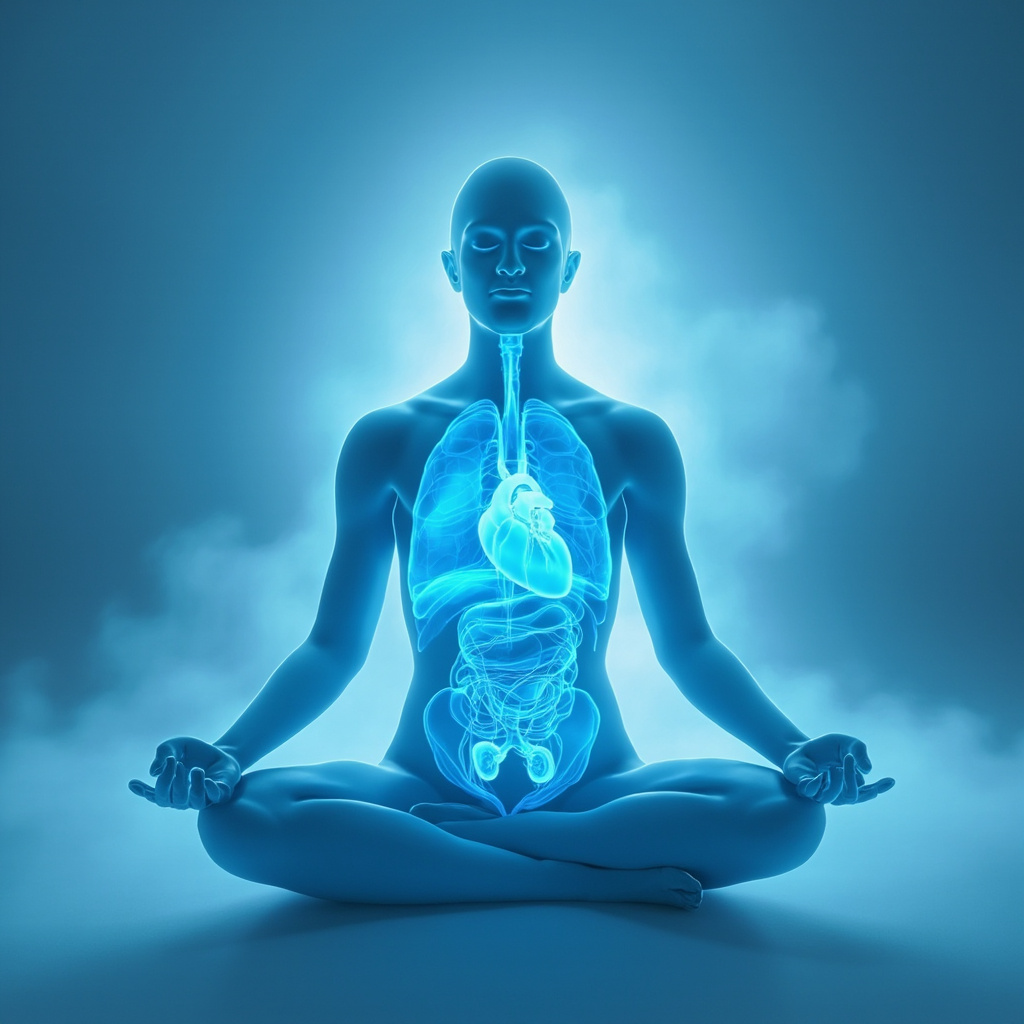
Vital organs form the core of our body's life force. Think of the heart pumping blood, the lungs bringing in oxygen, the liver cleaning toxins, and the kidneys balancing fluids. These powerhouses keep every system running smoothly. In Ayurveda, their subdosha group focuses on supporting essential functions to maintain vitality and overall health. See the glossary for details.
When these organs work in harmony, you feel steady energy and emotional ease. But daily stress can throw them off balance, leading to fatigue or unease.
The Stress Connection to Vital Organs
Stress triggers the body's fight-or-flight response, speeding up the heart, tightening breath, and straining organs. Over time, this wears them down. A key sign is low heart rate variability (HRV). HRV tracks the tiny changes between heartbeats. High HRV shows your nervous system is flexible, handling stress well. Low HRV signals tension building up, affecting organ health.
As a meditation coach, I watch biomarkers like HRV and stress levels. They reveal how emotions impact the body. Tense feelings can ripple to vital organs, reducing their efficiency.
Vital Organs as a Meditation Resource
In guided practices, we can call on vital organs as inner allies. Picture them strong and calm. This builds awareness and support. When prioritized, direct attention to them during sessions. Simple breathwork nourishes the lungs and heart. Body scans ease the liver and kidneys.
Using vital organs as a resource enhances health. It promotes smooth energy flow, steady organ function, and emotional well-being. Regular practice sustains life force and vitality.
Practical Ways to Balance with Meditation
Start small for real change:
- Breath Awareness: Sit quietly. Inhale for 4 counts, exhale for 6. Feel your lungs expand fully. Do 5 minutes daily to boost HRV.
- Heart Focus: Place a hand on your chest. Breathe into the heart area. Release tension with each out-breath. This calms agitation biomarkers.
- Organ Gratitude: Visualize each vital organ glowing softly. Thank the liver for detox, kidneys for balance. 10 minutes builds resilience.
- Full-Body Scan: Lie down. Move attention from head to toes, pausing at organs. Note calm or tension, breathe into it.
Track progress with how you feel: more energy, less worry. These align breathing patterns and emotional regulation with organ needs.
New Research Backs Meditation's Power
A 2026 study in the International Journal of Yoga tested guided meditation on 100 critically ill obstetric patients. They listened to 20-minute audio sessions daily for 3 days, focusing on breath, relaxation, and visualization.
Results were striking:
- Heart rate dropped from 92 to 75 beats per minute.
- Blood pressure fell: systolic from 143 to 124 mmHg, diastolic from 86 to 77 mmHg.
- Respiratory rate eased from 20 to 15 breaths per minute.
- HRV improved sharply, with measures like SDNN rising from 38 to 57 (showing parasympathetic calm).
- Anxiety scores plunged from 69 to 23 on a scale; well-being soared from 43 to 81.
Control patients saw no gains or even declines. No side effects, easy in ICU. This highlights meditation's role in autonomic balance, vital for organ health under stress.
Build Lasting Calm
Vital organs thrive when your mind is steady. Meditation refines nervous system regulation, using HRV as a guide. Emotional balance follows, unlocking vitality.
Practice consistently. Start today: one breath at a time. Your body will respond with renewed strength.
- 1. facebook.com
- 2. researchgate.net
- 3. fitmind.org
- 4. pubmed.ncbi.nlm.nih.gov
- 5. cardiometabolichealth.org
- 6. mdpi.com
- 7. sciencedirect.com
- 8. pmc.ncbi.nlm.nih.gov
- 9. heart.org
- 10. lifesciencedaily.news
- 11. researchgate.net
- 12. apeejay.news
- 13. pmc.ncbi.nlm.nih.gov
- 14. quora.com
- 15. pmc.ncbi.nlm.nih.gov
- 16. pmc.ncbi.nlm.nih.gov
- 17. doralhw.org
- 18. frontiersin.org
- 19. pmc.ncbi.nlm.nih.gov
- 20. apeejay.news
- 21. ndnr.com
- 22. icr-heart.com
- 23. researchgate.net
- 24. intechopen.com
- 25. medrxiv.org
- 26. iowemenow.com
- 27. notto.mohfw.gov.in
- 28. memorialhealth.com
- 29. facebook.com
- 30. sciencealert.com
- 31. verjournal.com
- 32. youtube.com
- 33. tsl.news
- 34. pubmed.ncbi.nlm.nih.gov
- 35. health.harvard.edu
- 36. healthcare-bulletin.co.uk
- 37. adventist.news
- 38. sciencedirect.com
- 39. link.springer.com
- 40. pubmed.ncbi.nlm.nih.gov
- 41. news.va.gov
- 42. pmc.ncbi.nlm.nih.gov
- 43. apeejay.news
- 44. apple.news
- 45. rapamycin.news
- 46. instagram.com
Related posts
Glossary
- Energy and mind Structures > oxygen
- Energy and mind Structures > Regulation
- Body zones > head
- Body zones > parasympathetic
- Body zones > respiratory
- Body zones > chest
- Energy and mind Structures > Organs
- TCM Recipes > Emotional Balance: A TCM Guide to Calm Anxiety & Insomnia
- TCM Recipes > Boost Your Energy: A TCM Recipe for Fatigue Relief
- Energy and mind Structures > vitality
- Energy and mind Structures > blood pressure
- Energy and mind Structures > fluids
- Energy and mind Structures > toxins
- Energy and mind Structures > Vital organs
- Energy and mind Structures > Theta; 4.31-6.97 Hz. Light sleep, meditation.
- Energy and mind Structures > Stress
- Stimuli > Moon - Nasal Passage, Breathing, Taste
- Binaural beats > Nervous System: A Program for Emotional Balance and Relaxation
- Stimuli > Harmony
- Stimuli > Blood
see also...
- Energy and mind Structures > HRV
- Energy and mind Structures > Body zones > substantia nigra
- Energy and mind Structures > TCM Recipes > Tension Headache Relief: A Natural Approach to Ease Stress
- Testimonials > 61% Drop in Nausea and 58% in Headaches from Sound Therapy
- Binaural beats > Stimuli > Variolinum
- Binaural beats > Transmutation: A Sound Journey for Personal Change