


Cardiovascular 4: TCM Heart Harmony Path
Understanding Cardiovascular 4 in TCM
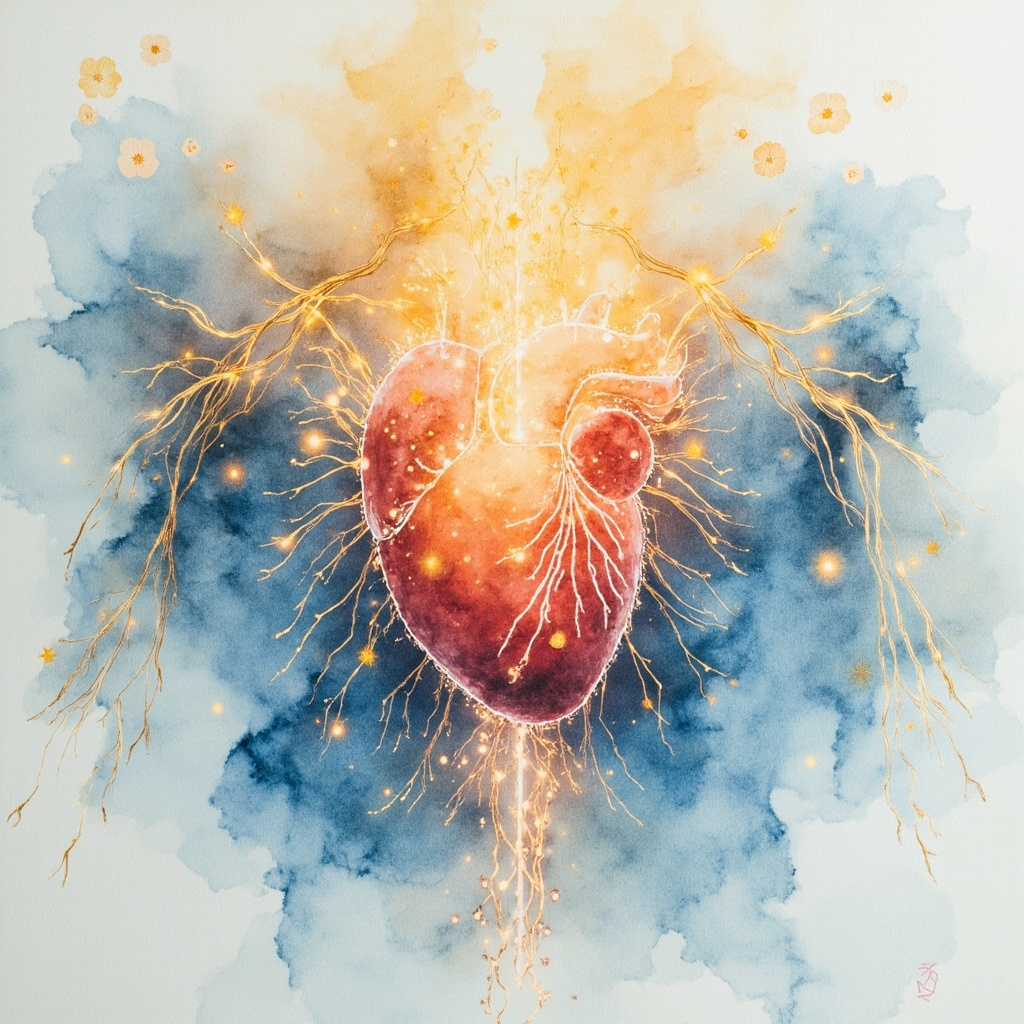
In Traditional Chinese Medicine, the heart is more than a pump-it is the emperor of the body, governing joy, circulation, and the flow of qi, our vital energy. Cardiovascular 4 represents a specific aspect of this system, focusing on interconnected areas like hand circulation, facial blood flow, lower abdomen energy, and kidney nourishment. When these areas lack harmony, people may feel chest discomfort, rapid heartbeats, tiredness, or even angina-like pain. By addressing Cardiovascular 4, we restore balance between yin and yang, ensuring qi moves freely.
Modern scans of body electrical activity can reveal imbalances here through biomarkers showing energy levels, agitation, or static qualities. These insights align with ancient TCM wisdom, where observing the pulse or tongue reveals similar disharmonies.
The Role of Qi and Emotions
Qi stagnation or deficiency often links to emotional states. The heart connects to joy, but excess worry or grief can burden it, leading to poor circulation. In Cardiovascular 4, we see how hand meridians carry qi from the heart, facial points regulate subtle flows, and abdominal centers tonify overall vitality. Fatigue signals weak qi, while palpitations point to heat or yang rising. Emotions play a key part: unresolved sadness tightens the chest, much like blocked rivers.
TCM teaches that harmonizing these fosters not just physical relief but emotional calm. Patients often report lighter hearts-literally and figuratively-after targeted work.
Key Acupoints for Cardiovascular 4 Harmony
This approach draws on precise points along meridians:
- TH2 (Yemen): On the hand, boosts circulation and clears qi blockages from the triple heater system, easing arm and chest tension.
- KI10 (Yingu): Behind the knee, nourishes yin fluids, supporting kidney essence that bolsters heart function.
- Hy6 (Chengjiang): Near the face, enhances facial circulation; use gently, avoiding the mouth area.
- CV6 (Qihai): Below the navel, tonifies qi at the sea of energy, combating fatigue and strengthening the core.
- ST25 (Tianshu): On the lower abdomen, regulates digestion and qi flow, indirectly supporting heart stability.
These points work together like a symphony, moving qi, cooling excess heat, and nourishing deficiencies. Self-massage or professional acupuncture activates them safely.
Common Signs and TCM Support
Cardiovascular 4 imbalance shows in:
- Angina or chest pain: Qi and blood stagnation.
- Palpitations: Heart yang rising or yin deficiency.
- Fatigue: Weak foundational qi.
Recent studies echo this. A 2025 network meta-analysis found acupuncture with therapies reduces angina symptoms effectively. Another 2026 review highlighted fewer attacks and better quality of life in refractory cases. These align with TCM's holistic view, where balancing one area uplifts the whole.
Restoring Flow in Daily Life
To support Cardiovascular 4:
- Practice gentle breathing: Inhale to the lower abdomen (CV6), exhale worry.
- Warm hand soaks: Stimulate TH2 for circulation.
- Mindful walks: Promote qi movement, linking heart and joy.
- Herbal teas like hawthorn: Nurture blood flow (consult a practitioner).
In sessions, frequencies tuned to these structures guide qi back to harmony, paired with words evoking vitality or calm. Over time, biomarkers shift toward balance, mirroring felt improvements.
Broader Harmony
Cardiovascular 4 reminds us: heart health is whole-body harmony. By bridging meridians, emotions, and modern data, TCM offers gentle paths to vitality. Whether facing daily fatigue or deeper concerns, tuning this area reignites inner joy and steady flow.
- 1. sciopen.com
- 2. frontiersin.org
- 3. pmc.ncbi.nlm.nih.gov
- 4. sciencedirect.com
- 5. ahajournals.org
- 6. stuartcommunity.com
- 7. innovationsincrm.com
- 8. journals.sagepub.com
- 9. journals.lww.com
- 10. onlinelibrary.wiley.com
- 11. journals.sagepub.com
- 12. thrivevb.com
- 13. stramcenter.com
- 14. researchgate.net
- 15. sciencedirect.com
- 16. joyfultcm.com
- 17. biocoherence.net
- 18. frontiersin.org
- 19. dovepress.com
- 20. pmc.ncbi.nlm.nih.gov
- 21. pmc.ncbi.nlm.nih.gov
- 22. acaacupuncture.com
- 23. myprivia.com
- 24. facebook.com
- 25. acupuncture.com
- 26. link.springer.com
- 27. pmc.ncbi.nlm.nih.gov
- 28. pmc.ncbi.nlm.nih.gov
- 29. jamanetwork.com
- 30. acupuncture.com
- 31. sciencedirect.com
- 32. clinicaltrials.gov
- 33. scacupuncture.com
- 34. pmc.ncbi.nlm.nih.gov
- 35. nature.com
- 36. withpower.com
- 37. mdpi.com
- 38. researchgate.net
Related posts
Glossary
- Energy and mind Structures > Sadness
- Energy and mind Structures > Grief
- Energy and mind Structures > Stagnation
- Energy and mind Structures > Meridians
- Body zones > mouth
- Body zones > tongue
- Body zones > chest
- Body zones > face
- TCM Recipes > Cardiovascular Support: Relief for Chest Pain & Fatigue
- TCM Recipes > Circulation: Boost Energy and Warm Your Extremities
- TCM Recipes > Kidney Health: Boost Energy and Relieve Back Pain
- TCM Recipes > Heart Health: Remedies for Anxiety and Palpitations
- TCM Recipes > Boost Your Energy: A TCM Recipe for Fatigue Relief
- Energy and mind Structures > vitality
- Energy and mind Structures > fluids
- Energy and mind Structures > movement
- Energy and mind Structures > Digestion
- Stimuli > Angina
- Stimuli > Moon - Nasal Passage, Breathing, Taste
- Stimuli > Pain
- Stimuli > Stimulate
- Stimuli > Harmony
- Stimuli > Blood
see also...
- Energy and mind Structures > Digestion
- Energy and mind Structures > Body zones > thoracic
- Energy and mind Structures > TCM Recipes > Tension Headache Relief: A Natural Approach to Ease Stress
- Testimonials > 61% Drop in Nausea and 58% in Headaches from Sound Therapy
- Binaural beats > Stimuli > Variolinum