


Lithium: TCM's Key to Mood Harmony
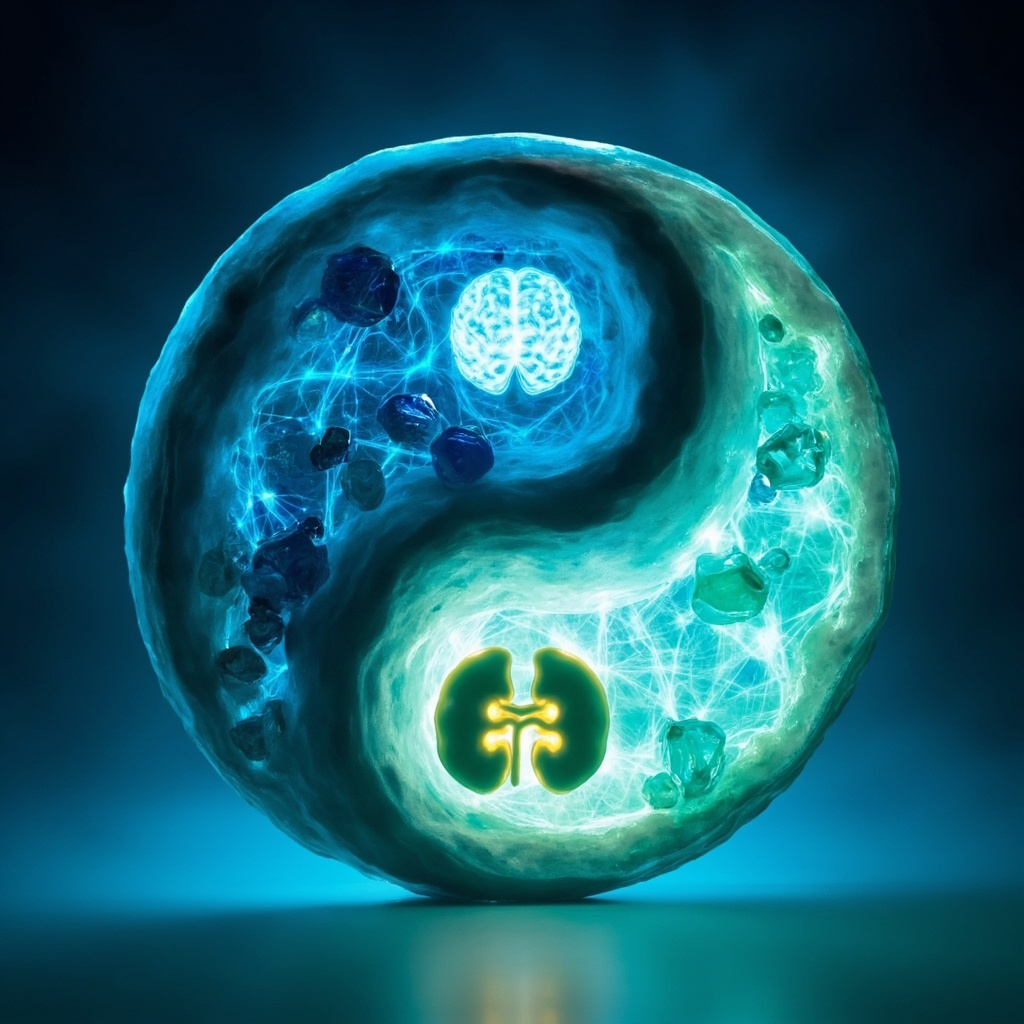
In Traditional Chinese Medicine, balance is everything. Our bodies thrive when qi flows smoothly, yin and yang are in harmony, and emotions support rather than disrupt health. One quiet player in this balance is lithium, a trace element present in small amounts in the brain, bones, and kidneys. Though known for higher doses in mood treatments, its natural role is subtle yet powerful, helping steady emotions and energy.
Lithium's Place in the Body
Lithium exists in trace levels throughout our systems. It gathers mainly in the brain, where it influences how we feel and think, and in bones and kidneys, which store and filter our vital essences. Too little may leave moods unsteady; too much can overwhelm. In everyday health, optimal levels promote calm, clear thinking, and resilient organs.
From a TCM lens, lithium aligns with the water element, tied to the kidneys that hold our foundational energy. It also touches the heart, seat of the shen or spirit, which governs joy, worry, and rest. When lithium's energy hums right, it fosters emotional steadiness, much like a still pond reflecting clear skies.
Emotions Meet Physical Harmony
TCM teaches that unchecked emotions harm organs. Excess worry drains the spleen; prolonged fear weakens kidneys. Lithium acts as a stabilizer here, easing mood swings that ripple into physical imbalance. Imagine it smoothing the meridians, those energy pathways, so qi moves freely without agitation.
In the five elements cycle, lithium supports transitions: water nourishes wood (liver, for smooth anger release), while steadying fire (heart, for balanced joy). Biomarkers from body electrical readings reveal lithium's vitality-its energy level, movement, and ties to other structures. A vibrant lithium profile signals strong emotional roots; a sluggish one hints at deeper disharmony.
For more on lithium's specifics, see the glossary.
Modern Clues from Biomarkers and Studies
Today, we measure these traces through biomarkers, capturing the body's electrical whispers. They show lithium's agitation or calm, its links to nerves and mind. When assessed, they guide us to restore flow, echoing TCM diagnostics.
Recent research backs this wisdom. A pilot trial found low-dose lithium slowed verbal memory decline in older adults with mild thinking slips. This suggests it shields brain cells, aligning with TCM's view of nourished shen preventing mental fog. Other studies note its role in easing anxiety and depression, even at trace levels, without heavy side effects.
Communities with natural lithium in water often report fewer mood struggles, hinting at its everyday power. These findings bridge ancient insight with science, showing lithium optimizes brain signals and organ talk.
Lithium as a Resource for Renewal
When lithium shines as a resource, it steadies moods, lifts mental fog, and boosts organ teamwork. It calms overactive nerves, like gentle acupressure on key points. In practice, TCM practitioners might pair it with kidney-toning herbs or spleen-supporting foods, watching biomarkers shift toward balance.
Consider someone with mood dips tied to stress: low lithium energy might show in kidney or heart markers. Herbal blends like those for qi stagnation, plus meridian work, invite lithium's stabilizing force. Emotions settle, energy renews.
Cultivating Lithium Balance
Support lithium naturally through mineral-rich foods-leafy greens, grains, spring water-and stress-reducing habits like qigong. Avoid extremes; harmony is key.
In TCM, true health blooms when traces like lithium align with the whole. By honoring its role, we nurture emotional balance, clear minds, and vibrant qi. Listen to your body's signals; restoration follows.
- 1. oprahdaily.com
- 2. sciencedirect.com
- 3. napiers.net
- 4. rezilirhealth.com
- 5. psychiatryredefined.org
- 6. accpjournals.onlinelibrary.wiley.com
- 7. psychiatryredefined.org
- 8. kcl.ac.uk
- 9. sciencedirect.com
- 10. nature.com
- 11. medschool.pitt.edu
- 12. frontiersin.org
- 13. pubs.acs.org
- 14. psychiatryredefined.org
- 15. scirp.org
- 16. psychiatryonline.org
- 17. psychiatrictimes.com
- 18. pmc.ncbi.nlm.nih.gov
- 19. alzforum.org
- 20. pmc.ncbi.nlm.nih.gov
- 21. mdpi.com
- 22. psychiatryredefined.org
- 23. clinicaltrials.gov
- 24. wholehealthchicago.com
- 25. eurekalert.org
- 26. ubiehealth.com
- 27. oaepublish.com
- 28. onlinelibrary.wiley.com
- 29. usnews.com
- 30. pmc.ncbi.nlm.nih.gov
- 31. pmc.ncbi.nlm.nih.gov
- 32. intelmarketresearch.com
- 33. evohealthkansas.com
- 34. drfranklipman.com
- 35. facebook.com
- 36. ageimmune.com
- 37. pmc.ncbi.nlm.nih.gov
Related posts
Glossary
- Energy and mind Structures > lithium
- Energy and mind Structures > Mental
- Energy and mind Structures > Fire
- Energy and mind Structures > Wood
- Energy and mind Structures > Water
- Energy and mind Structures > Memory
- Body zones > bones
- Body zones > kidneys
- Body zones > nerves
- Energy and mind Structures > Organs
- TCM Recipes > Kidney Health: Boost Energy and Relieve Back Pain
- TCM Recipes > Heart Health: Remedies for Anxiety and Palpitations
- TCM Recipes > Brain Boost: Clear Fog, Improve Focus & Memory
- TCM Recipes > Herbal Relief: A TCM Approach to Lift Your Mood
- Energy and mind Structures > movement
- Energy and mind Structures > Stress
- Stimuli > Harmony