


Lungs: TCM's Breath, Grief, and Qi Flow
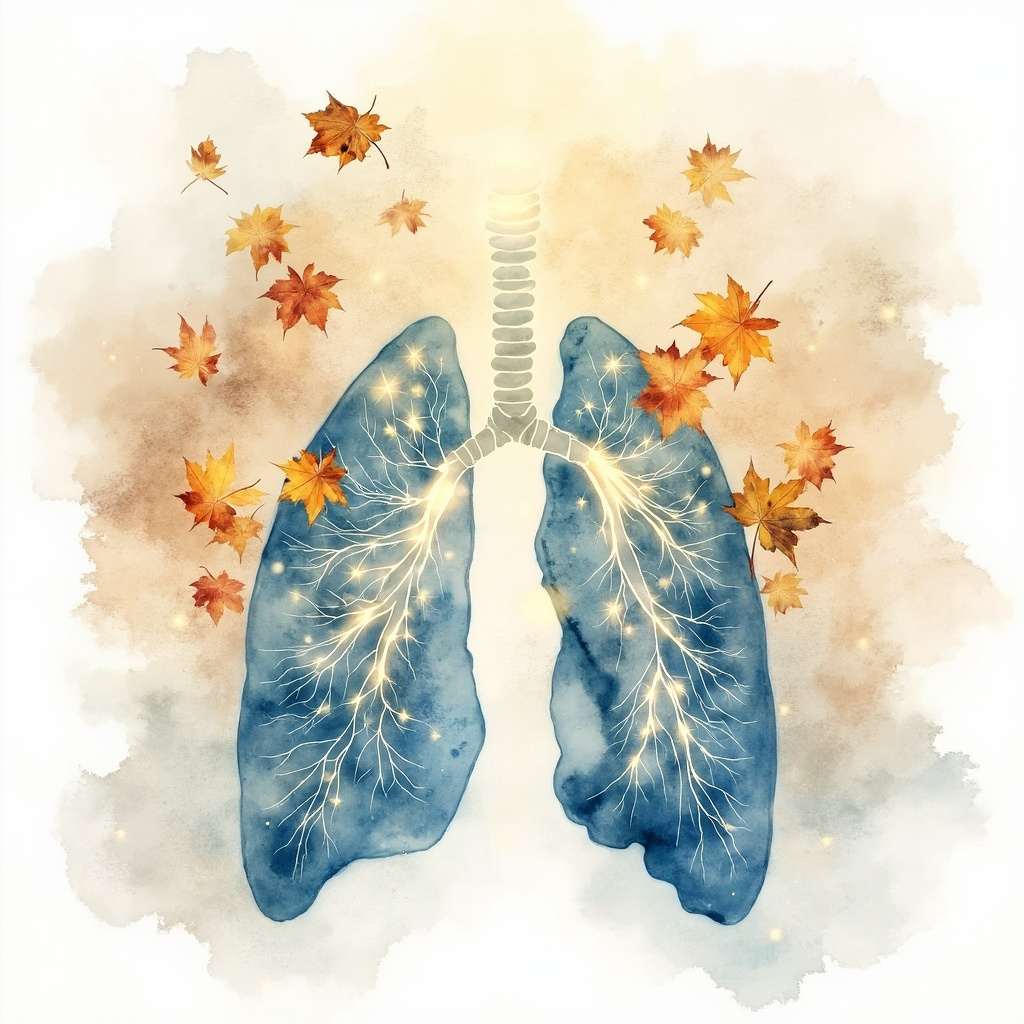
Lungs in Traditional Chinese Medicine
The lungs sit in the chest, next to the heart. In TCM, they act as the canopy over the body, taking in fresh air and sending out waste. They belong to the metal element, paired with autumn, skin, and the color white. Their main job is to spread qi from the air throughout the body, supporting every organ and tissue.
Healthy lungs mean easy breathing, clear skin, and strong defenses against illness. They control the opening and closing of pores, helping sweat and regulate body temperature. When lungs work well, you feel open and alive.
Learn more about lungs in BioCoherence.
Physical Functions of the Lungs
The lungs handle respiration, swapping oxygen for carbon dioxide. This keeps blood rich in oxygen for energy and clears out toxins. In TCM terms, they descend clean qi and expel turbid qi, like a bellows fanning a fire.
They also link to the large intestine, their paired organ. Together, they manage fluids and waste removal. Lung qi moistens the nose, throat, and skin. Weak lungs lead to dry coughs, stuffy nose, or fatigue.
Signs of lung imbalance include:
- Shortness of breath or wheezing
- Frequent colds or weak immunity
- Dry throat, skin, or cough with little phlegm
- Chest tightness or pain
These point to qi deficiency, excess dampness, or invasion by wind-cold.
Emotional Links to the Lungs
Emotions touch the lungs deeply. Grief and sadness are their domain. Holding onto loss can weaken lung qi, causing a feeling of suffocation or overwhelm. It's like the chest tightens, mirroring unresolved sorrow.
Fear of loss, boundaries threatened, or even fear of death tie into lung issues. You might feel vulnerable, as if the world crowds in. Physical symptoms like asthma or allergies often hide these emotional roots.
On the flip side, strong lungs foster courage and letting go. Deep breaths release grief, opening the heart to new beginnings. Practices like sighing or long exhales soothe the spirit.
Lungs Through Modern Biomarkers
Today, we see lung health in biomarker data from electrical activity scans. These reveal energy levels, agitation, and connections to other body parts. Low lung energy shows as poor oxygenation or weak qi flow. High agitation might mean inflammation or emotional tension stored in the lung mucosae.
Biomarkers spot patterns:
- Oxygen exchange: Vital for whole-body vitality
- pH balance: From carbon dioxide removal
- Mucosal health: Guards against infections
TCM views these as signs of yin-yang imbalance or qi stagnation. For example, grief blocks descending qi, raising biomarkers for stress in the chest.
Lungs as a Precious Resource
When strong, lungs aid the whole body. They supply oxygen for energy in heart, muscles, and brain. They help remove waste, keeping pH steady and organs clean.
Emotionally, steady breath calms the mind. Lungs support the heart's joy by preventing grief from overwhelming. In TCM, they 'skin the exterior,' shielding from external threats.
Call on lungs as a resource by focusing breath: Inhale fresh qi, exhale old burdens. This boosts other organs, like aiding the spleen in digestion or kidneys in grounding fear.
Signs of Harmony and Imbalance
Harmonious lungs bring:
- Deep, effortless breath
- Resilient immunity
- Smooth skin and moist mucous membranes
- Ability to grieve and move on
Imbalances arise from:
- Prolonged sadness or loss
- Dry environments or poor air
- Overwork depleting qi
- Diet heavy in dairy or sweets, creating phlegm
Restoring Lung Harmony
TCM restores lungs through gentle methods. Acupuncture on lung meridian points opens flow. Herbs like astragalus strengthen qi, while pear or lily bulb moisten dryness.
Breath work is key: Slow inhales fill the chest, long exhales release grief. Qigong moves like 'lifting the sky' expand lung capacity.
Lifestyle tips:
- Walk in fresh air, especially morning dew
- Eat white foods: rice, pears, radish
- Avoid cold drinks; sip warm teas
- Journal losses to free emotional qi
Biomarker insights guide precise balancing. Target lung resonance to calm agitation or boost energy. Paired with TCM, this bridges ancient wisdom and new data for true harmony.
Strong lungs mean open breath, light heart, and flowing qi. Nurture them for vitality inside and out.
Related posts
Glossary
- Energy and mind Structures > oxygen
- Energy and mind Structures > carbon
- Energy and mind Structures > Fire
- Energy and mind Structures > Sadness
- Energy and mind Structures > Grief
- Energy and mind Structures > Letting go
- Energy and mind Structures > Stagnation
- Energy and mind Structures > Courage
- Body zones > kidneys
- Body zones > lungs
- Body zones > lungs
- Body zones > muscles
- Body zones > nose
- Body zones > throat
- Body zones > chest
- Energy and mind Structures > Organs
- TCM Recipes > Cough Relief: A Simple TCM Recipe for Chest Tightness
- TCM Recipes > Breathe Easy: Relief for Asthma Symptoms
- TCM Recipes > Boost Energy: A Simple Remedy for Low Energy and Fatigue
- TCM Recipes > Skin Health: Remedies for Acne and Eczema
- TCM Recipes > Spleen Health: Boost Digestion, Appetite, and Energy
- TCM Recipes > Heart Health: Remedies for Anxiety and Palpitations
- TCM Recipes > Lung Support: A TCM Recipe for Respiratory Health
- TCM Recipes > Brain Boost: Clear Fog, Improve Focus & Memory
- TCM Recipes > Boost Your Energy: A TCM Recipe for Fatigue Relief
- Energy and mind Structures > vitality
- Energy and mind Structures > fluids
- Energy and mind Structures > toxins
- Energy and mind Structures > Digestion
- Energy and mind Structures > Stress
- Stimuli > Moon - Nasal Passage, Breathing, Taste
- Binaural beats > Inflammation Relief: Heal Faster with Binaural Beats
- Stimuli > Lead
- Stimuli > Harmony
- Stimuli > Blood
see also...
- Energy and mind Structures > HRV
- Energy and mind Structures > Body zones > substantia nigra
- Energy and mind Structures > TCM Recipes > Tension Headache Relief: A Natural Approach to Ease Stress
- Testimonials > 61% Drop in Nausea and 58% in Headaches from Sound Therapy
- Binaural beats > Stimuli > Variolinum
- Binaural beats > Desensitizer: Boost Your Energy and Focus Effectively