


Heart: TCM's Emperor of Joy and Circulation
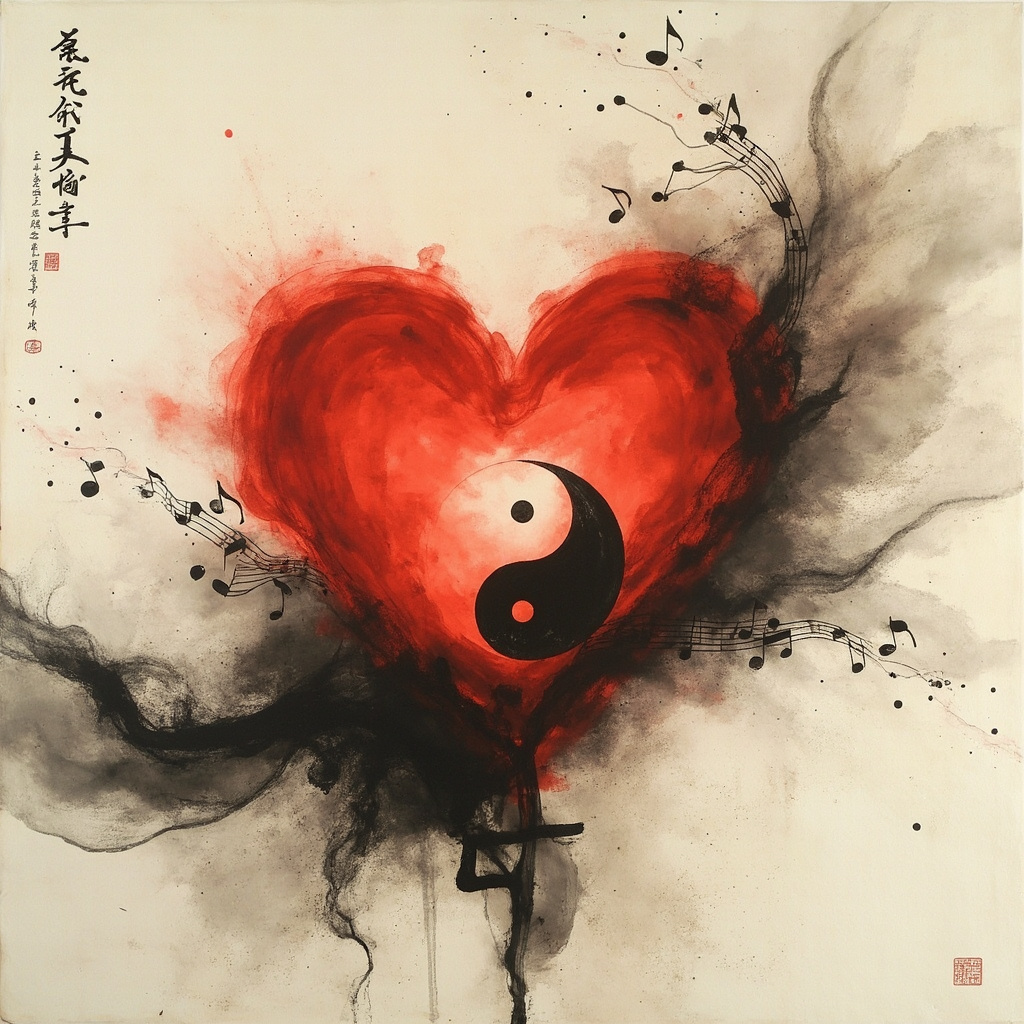
The heart sits at the center of life in Traditional Chinese Medicine. Called the emperor organ, it rules the circulation of blood and qi, the vital energy that nourishes every part of the body. Beyond its physical pump, the heart homes the shen, the spark of consciousness, emotions, and mental clarity. A balanced heart brings joy, steady rhythm, and inner peace.
The Heart's Physical Role in TCM
Positioned in the chest, slightly left of center, the heart ensures oxygenated blood reaches all tissues while sending used blood to the lungs for refreshment. In TCM terms, it opens to the tongue, influences complexion, and powers the pulse. When strong, you feel energized and vital. Weakness brings shortness of breath, fatigue, or chest discomfort.
Healthy heart signs include:
- Strong, even pulse
- Clear, rosy cheeks
- Good endurance during activity
Common issues arise from overwork, poor diet, or external cold invading the body, slowing qi flow.
Emotions and the Heart: Joy's Double Edge
TCM links each organ to an emotion. For the heart, it is joy. Moderate joy uplifts shen, fostering love, connection, and optimism. Too little joy leads to stagnation; excess scatters qi, causing restlessness or palpitations.
Emotional patterns include:
- Heart qi deficiency: Palpitations, exhaustion, mild anxiety from unresolved grief or overthinking.
- Heart blood deficiency: Insomnia, poor memory, dream-disturbed sleep, pale face.
- Heart fire blazing: Irritability, red cheeks, bitter mouth, linked to intense emotions or stress.
Heartbreak, loss, or constant worry can burden the heart, showing as physical symptoms. Healing starts by addressing feelings-forgiving past hurts, cultivating contentment.
The Heart as a Supportive Force
When called upon, the heart aids others. It delivers fresh blood to organs, balancing their qi. Emotionally, its shen calms the mind, easing stress on liver or spleen. In practice, strengthening the heart uplifts the whole system, promoting recovery and resilience.
Insights from Biomarkers and Modern Views
Today, we measure the body's electrical signals to gauge heart status. These biomarkers reveal energy levels, agitation, and connections to other parts. Low energy signals deficiency; high agitation points to fire or stress.
Recent studies align with TCM wisdom. A 2025 trial in cardiac care units found daily music sessions lowered heart rate, blood pressure, and breathing issues. Patients felt less distressed without drugs. Sound vibrations, like gentle frequencies, soothe the heart much as qi tonics do-reducing tension, restoring rhythm.
This echoes TCM use of calming herbs like lotus seed or meditative breathing to settle shen.
Ways to Nurture Your Heart
Restore harmony through simple steps:
Diet: Warm, nourishing foods-red dates, longan fruit, oats. Avoid cold, raw items that weaken qi.
Movement: Gentle qigong or tai chi circulates blood, kindles heart yang.
Mind practices: Visualize red light at chest center during breathwork. Affirm joy: 'My heart flows with ease and love.'
Herbs and points: Under guidance, ginseng tonifies qi; Pericardium 6 acupoint calms shen.
Lifestyle: Limit late nights, foster relationships. Joy from laughter or nature balances emotions.
In BioCoherence scans, heart data guides personalized support, resonating with its natural frequencies for calm and strength.
A harmonious heart transforms health. It fuels vitality, clears the mind, and opens to life's joys. Listen to its quiet wisdom daily.
- 1. pmc.ncbi.nlm.nih.gov
- 2. pubmed.ncbi.nlm.nih.gov
- 3. mendedhearts.org
- 4. researchgate.net
- 5. medicalnewstoday.com
- 6. medicalxpress.com
- 7. youtube.com
- 8. pmc.ncbi.nlm.nih.gov
- 9. commonspirit.org
- 10. uclahealth.org
- 11. pubmed.ncbi.nlm.nih.gov
- 12. peaksandpointsacup.com
- 13. instagram.com
- 14. pmc.ncbi.nlm.nih.gov
- 15. drclarkstore.com
- 16. earthsongacupuncture.com
- 17. facebook.com
- 18. pubmed.ncbi.nlm.nih.gov
- 19. yasminhodgeacupuncture.co.uk
- 20. nature.com
- 21. pmc.ncbi.nlm.nih.gov
- 22. sciencedirect.com
- 23. pmc.ncbi.nlm.nih.gov
- 24. pdfs.semanticscholar.org
- 25. acaacupuncture.com
- 26. sciencedirect.com
- 27. onlinelibrary.wiley.com
- 28. wengsacupuncture.com
- 29. yourhealingpoint.com
- 30. giovanni-maciocia.com
- 31. pubmed.ncbi.nlm.nih.gov
- 32. meandqi.com
- 33. pmc.ncbi.nlm.nih.gov
- 34. meandqi.com
- 35. pubmed.ncbi.nlm.nih.gov
- 36. pubmed.ncbi.nlm.nih.gov
- 37. balancepointokanagan.com
- 38. healing-kind.com
- 39. pubmed.ncbi.nlm.nih.gov
- 40. pubmed.ncbi.nlm.nih.gov
- 41. element5om.com
- 42. frontiersin.org
- 43. bpspubs.onlinelibrary.wiley.com
- 44. pmc.ncbi.nlm.nih.gov
- 45. journals.lww.com
- 46. ndnr.com
- 47. holisticmedicinedevice.com
- 48. acupuncturetoday.com
- 49. jenniferraye.com
- 50. cfnmedicine.com
- 51. nature.com
- 52. mpo-mag.com
- 53. tcm.ac
- 54. clinicalgate.com
- 55. frontiersin.org
- 56. biomedres.us
- 57. pubmed.ncbi.nlm.nih.gov
- 58. pubmed.ncbi.nlm.nih.gov
- 59. taoofwellness.com
Related posts
Glossary
- Energy and mind Structures > Mental
- Energy and mind Structures > Fire
- Energy and mind Structures > Love
- Energy and mind Structures > Peace
- Energy and mind Structures > Exhaustion
- Energy and mind Structures > Grief
- Energy and mind Structures > Memory
- Body zones > heart
- Body zones > lungs
- Body zones > mouth
- Body zones > pericardium
- Body zones > tissues
- Body zones > tongue
- Body zones > chest
- Body zones > face
- Energy and mind Structures > Organs
- TCM Recipes > Circulation: Boost Energy and Warm Your Extremities
- TCM Recipes > Liver Health: A TCM Recipe for Balance and Calm
- TCM Recipes > Spleen Health: Boost Digestion, Appetite, and Energy
- TCM Recipes > Heart Health: Remedies for Anxiety and Palpitations
- TCM Recipes > Boost Your Energy: A TCM Recipe for Fatigue Relief
- Energy and mind Structures > sleep
- Energy and mind Structures > vitality
- Energy and mind Structures > blood pressure
- Energy and mind Structures > Stress
- Stimuli > Moon - Nasal Passage, Breathing, Taste
- Stimuli > AIDS
- Stimuli > Harmony
- Stimuli > Blood