


Pylorus: Gateway to Digestion and Calm
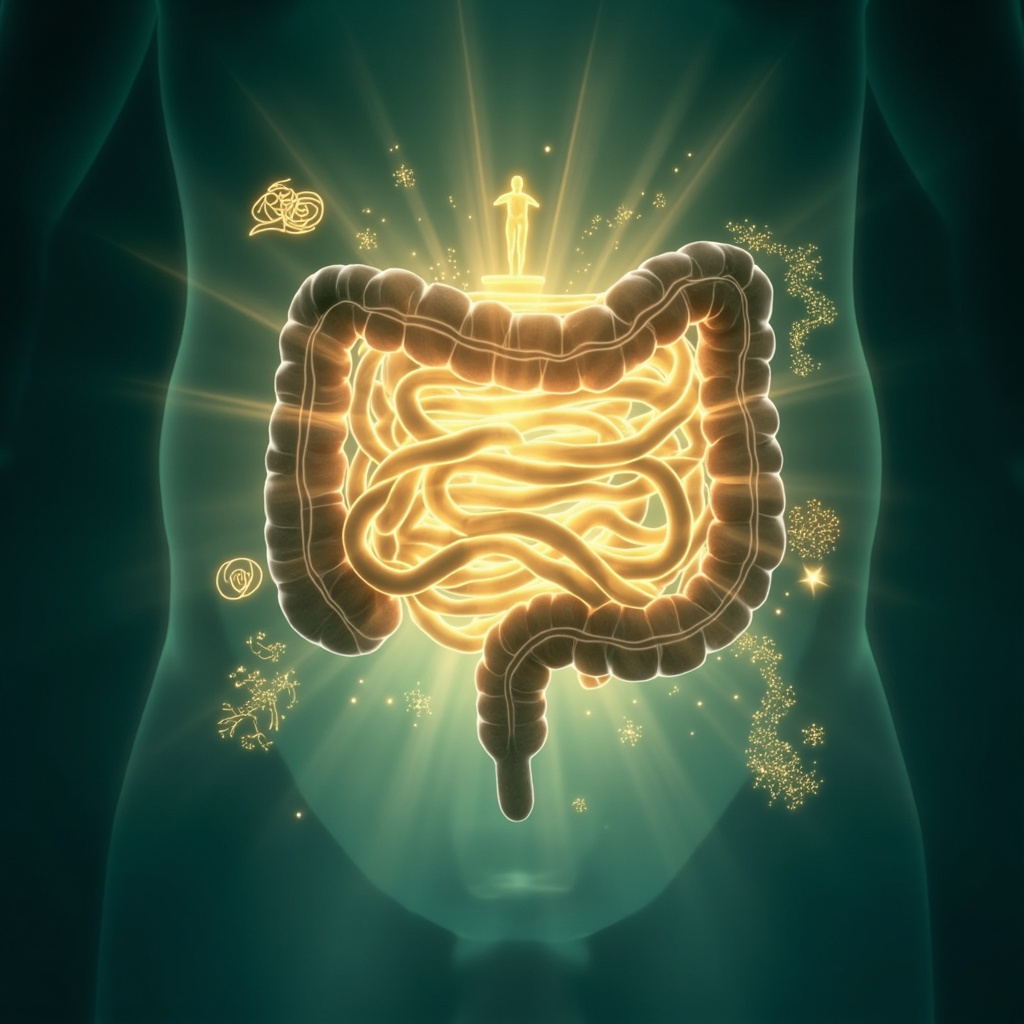
The pylorus sits at the lower end of the stomach, acting as a vital valve connecting it to the small intestine. This small but crucial structure controls the release of partially digested food, known as chyme, ensuring it moves at the right pace. When working well, it prevents food from flowing back, supporting smooth digestion and nutrient uptake.
Physical Role of the Pylorus
Imagine the stomach as a mixing bowl where food breaks down with acids and enzymes. The pylorus opens and closes like a gate, letting small amounts of chyme into the duodenum, the start of the small intestine. This timing matters: too fast, and digestion suffers; too slow, and issues like bloating or nausea arise.
Common problems include pyloric stenosis, where the valve narrows, causing vomiting, dehydration, and weight loss, especially in infants but possible in adults too. Other disruptions lead to reflux or poor emptying, affecting energy and comfort.
TCM Perspective on the Pylorus
In Traditional Chinese Medicine, the stomach belongs to the earth element, responsible for 'ripening and rotting' food while also processing thoughts and experiences. Qi, the vital energy, flows downward through the stomach meridian, which passes near the pylorus. A smooth flow here ensures nutrients transform into blood and energy (qi).
The spleen pairs with the stomach, aiding transformation and transportation. Blockages at the pylorus signal qi stagnation or dampness, often from irregular eating, cold foods, or weak spleen qi. Meridians like the stomach and spleen channels influence this area, guiding energy for balance.
Emotions and the Pylorus
TCM teaches that emotions directly impact organs. The stomach relates to worry and overthinking, which 'knots' digestion. Specifically, the pylorus ties to anxiety about the future and trouble 'digesting' new ideas or changes. Fear, linked to the kidneys, can tighten this gate, creating tension.
When stressed, you might feel a 'pit in the stomach'-a sign of disrupted qi. Chronic anxiety slows stomach emptying, mirroring resistance to life's shifts. Conversely, poor pyloric function heightens emotional unease, forming a cycle.
Recent insights from gut-brain research confirm this: emotions like fear trigger gut changes, slowing motility and increasing sensitivity. This aligns with TCM's holistic view.
Signs of Pyloric Imbalance
Watch for these physical clues:
- Frequent nausea or vomiting after meals
- Bloating and fullness
- Acid reflux or heartburn
- Unexplained weight changes
- Fatigue from poor nutrient absorption
Emotionally:
- Persistent worry about upcoming events
- Difficulty adapting to new situations
- Tightness or discomfort in the upper abdomen during stress
The Pylorus as a Resource
A balanced pylorus supports the whole body. It:
- Delivers nutrients efficiently, boosting vitality for organs like the heart and liver
- Prevents reflux, easing spleen burden
- Eases emotional stress by promoting acceptance of change
In TCM, calling on the pylorus aids priorities elsewhere. Its steady rhythm calms the nervous system, enhances yin-yang harmony, and clears mental fog.
Restoring Pyloric Harmony
TCM offers gentle ways to support this gate:
Acupuncture: Points like ST36 (Zusanli) regulate pyloric movement, enhancing peristalsis and qi flow. Studies show it balances stomach function.
Herbs: Formulas tonify spleen-stomach qi, such as those with ginger or licorice, to warm and move stagnation.
Diet: Warm, easy-to-digest foods like soups and cooked grains. Avoid cold, raw items that dampen qi.
Lifestyle: Mindful eating, deep breathing, and qigong promote downward qi. Walking after meals aids flow.
Modern biomarker assessments reveal the pylorus's energy, agitation, and links, allowing targeted harmony through its resonance.
Building on our earlier look at stomach harmony and emotional digestion, nurturing the pylorus deepens this foundation. It invites a life where body and mind process experiences with grace.
Embrace this gateway for fuller vitality.
- 1. my.clevelandclinic.org
- 2. oaepublish.com
- 3. pubmed.ncbi.nlm.nih.gov
- 4. acaacupuncture.com
- 5. acpjournals.org
- 6. pmc.ncbi.nlm.nih.gov
- 7. pubmed.ncbi.nlm.nih.gov
- 8. jonistier.com
- 9. doralhw.org
- 10. worldscientific.com
- 11. mayoclinic.org
- 12. academic.oup.com
- 13. pubmed.ncbi.nlm.nih.gov
- 14. adc.bmj.com
- 15. texascenterforlifestylemedicine.org
- 16. oatext.com
- 17. pubmed.ncbi.nlm.nih.gov
- 18. oshihealth.com
- 19. pubmed.ncbi.nlm.nih.gov
- 20. interiminc.org
- 21. youtube.com
- 22. katokamassagetherapy.com
- 23. health.harvard.edu
- 24. pmc.ncbi.nlm.nih.gov
- 25. pubmed.ncbi.nlm.nih.gov
- 26. verywellmind.com
- 27. pubmed.ncbi.nlm.nih.gov
- 28. facebook.com
- 29. intechopen.com
- 30. my.clevelandclinic.org
- 31. digestive-health.net
- 32. pmc.ncbi.nlm.nih.gov
- 33. pubmed.ncbi.nlm.nih.gov
- 34. henryford.com
- 35. pubmed.ncbi.nlm.nih.gov
- 36. facebook.com
- 37. pubmed.ncbi.nlm.nih.gov
- 38. positivereseteatontown.com
- 39. thesupportivecare.com
- 40. pmc.ncbi.nlm.nih.gov
Related posts
Glossary
- Energy and mind Structures > Structure
- Energy and mind Structures > Mental
- Energy and mind Structures > Earth
- Energy and mind Structures > Stagnation
- Energy and mind Structures > Meridians
- Body zones > kidneys
- Body zones > pylorus
- Energy and mind Structures > Organs
- Energy and mind Structures > ST36
- TCM Recipes > Stomach Health: Natural Remedies for Digestive Issues
- TCM Recipes > Spleen Health: Boost Digestion, Appetite, and Energy
- TCM Recipes > Heart Health: Remedies for Anxiety and Palpitations
- TCM Recipes > Boost Your Energy: A TCM Recipe for Fatigue Relief
- Energy and mind Structures > vitality
- Energy and mind Structures > movement
- Energy and mind Structures > Digestion
- Energy and mind Structures > Stress
- Stimuli > Ginger
- Stimuli > Moon - Nasal Passage, Breathing, Taste
- Stimuli > AIDS
- Binaural beats > Nervous System: A Program for Emotional Balance and Relaxation
- Stimuli > Lead
- Stimuli > Harmony
- Stimuli > Blood
see also...
- Energy and mind Structures > HRV
- Energy and mind Structures > Body zones > pylorus
- Energy and mind Structures > TCM Recipes > Tension Headache Relief: A Natural Approach to Ease Stress
- Testimonials > 61% Drop in Nausea and 58% in Headaches from Sound Therapy
- Binaural beats > Stimuli > Variolinum
- Binaural beats > Transmutation: A Sound Journey for Personal Change