


Bladder: TCM Fluid Control and Boundaries
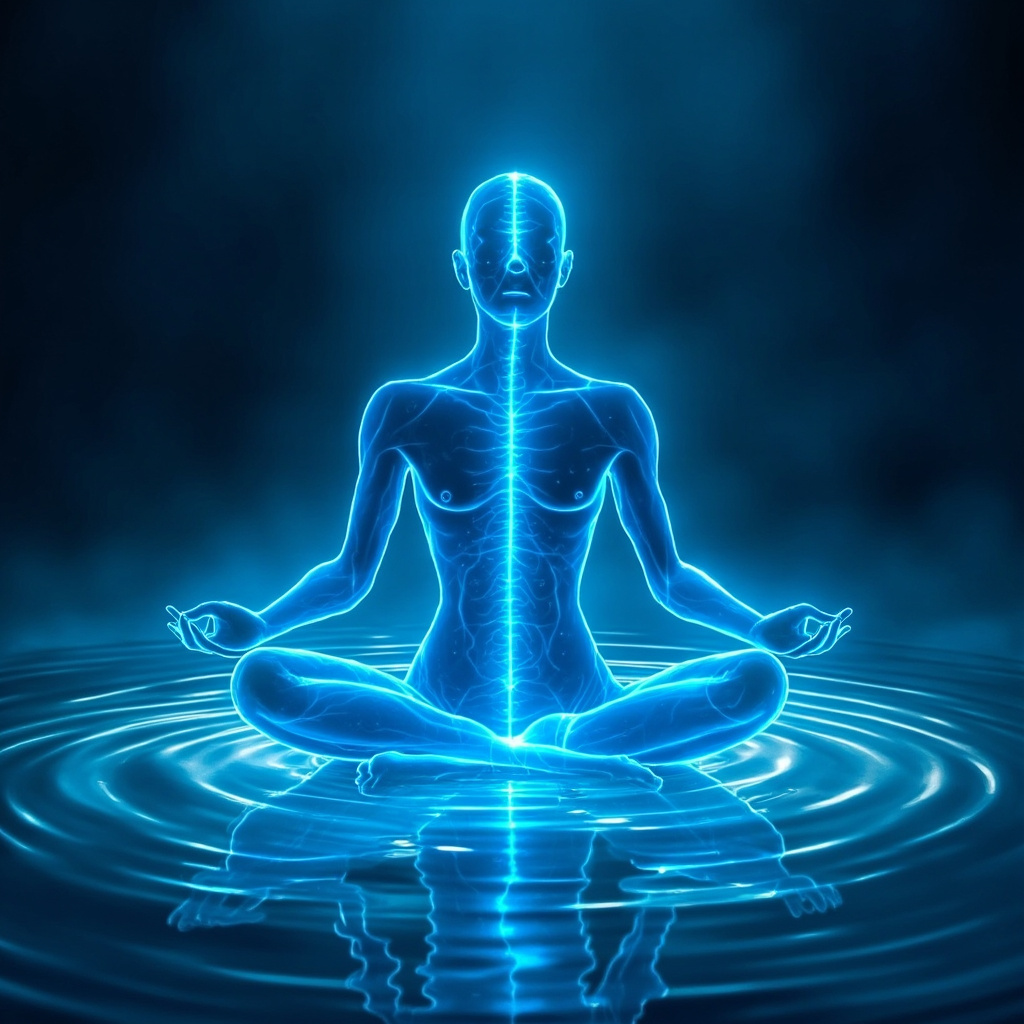
The Bladder's Vital Role
The bladder is a flexible, muscular organ in the pelvis, just behind the pubic bone. It collects urine from the kidneys and holds it until the body is ready to expel it. When healthy, it allows smooth, voluntary urination. Problems like frequent urges, leaks, infections, or retention can disrupt daily life and signal deeper issues. For more details, see the bladder glossary.
TCM Perspective: Water Element Harmony
In Traditional Chinese Medicine (TCM), the bladder pairs with the kidney in the water element. This element rules fluids, storage, and winter's restorative power. The bladder meridian-a pathway of energy-runs from the inner eye, down the back of the head, spine, legs, and to the pinky toe. It governs fluid transformation and elimination, ensuring the body stays neither too dry nor too damp.
Qi (vital energy) flows through this meridian, supporting decision-making and willpower. Blockages here can stagnate fluids, leading to swelling or poor circulation. TCM sees the bladder as yang (active, outward) to the kidney's yin (receptive, inward), together maintaining life's deep reserves.
Emotional Ties: Territory and Control
The bladder mirrors feelings of territory and personal space. In biological decoding and TCM, issues often stem from:
- Feeling invaded or lacking boundaries.
- Fears of losing control.
- Anxiety over security or stability.
The water element's emotion is fear. Balanced, it brings wise caution and resilience. Imbalanced, it creates chronic worry, rigidity, or a 'frozen' response to threats. Urinary troubles may reflect life's pressures eroding your sense of safety.
Signs of Disharmony
Watch for:
- Overactive bladder: Sudden urges, linked to excess heat or weak control.
- Incontinence: Qi deficiency, poor boundary holding.
- Retention: Cold stagnation, emotional suppression.
- Lower back ache, knee weakness, or tinnitus, as the meridian connects.
These affect vitality, sleep, and mood, creating a cycle of discomfort.
Bladder as a Resource for Balance
A strong bladder aids the whole body by:
- Regulating hydration signals.
- Stabilizing fluid balance for organs.
- Reflecting emotional states for self-awareness.
It promotes grounded control, helping you navigate stress with calm authority.
Paths to Harmony
TCM offers gentle ways to support the bladder:
- Acupressure: Press points like BL23 (near kidney) or BL40 (behind knee) to free qi.
- Diet: Warm, mildly salty foods like bone broth, black beans, seaweed. Avoid cold, damp producers like dairy.
- Movement: Slow qigong or tai chi to tonify water energy.
- Mind practices: Meditation on safety and flow transforms fear into strength.
Modern echoes include sound frequencies targeting the bladder meridian, like 352 Hz tracks for relaxation and repair. Studies on electroacupuncture show it regulates bladder pressure and aids incontinence, aligning with qi tonics. High-frequency nerve stimulation research highlights bioelectric control, akin to meridian balancing.
Cultivating Inner Strength
Tune into your bladder during quiet reflection. Visualize blue water energy flowing freely along its path, dissolving tensions. As boundaries firm, so does physical ease. This harmony fosters resilience, clear choices, and emotional peace-key to self-development.
- 1. oncologynewscentral.com
- 2. urologytimes.com
- 3. healthcare.utah.edu
- 4. link.springer.com
- 5. nafc.org
- 6. pmc.ncbi.nlm.nih.gov
- 7. pubmed.ncbi.nlm.nih.gov
- 8. pmc.ncbi.nlm.nih.gov
- 9. schooloftouch.org
- 10. pmc.ncbi.nlm.nih.gov
- 11. youtube.com
- 12. holisticacupuncture.net
- 13. youtube.com
- 14. pmc.ncbi.nlm.nih.gov
- 15. youtube.com
- 16. youtube.com
- 17. pmc.ncbi.nlm.nih.gov
- 18. youtube.com
- 19. open.spotify.com
- 20. sciencedirect.com
- 21. sciencedaily.com
- 22. nature.com
- 23. medschool.pitt.edu
- 24. music.apple.com
- 25. santabarbaratherapist.com
- 26. youtube.com
- 27. youtube.com
- 28. soundcloud.com
- 29. open.spotify.com
- 30. finance.yahoo.com
- 31. instagram.com
- 32. pmc.ncbi.nlm.nih.gov
- 33. open.spotify.com
- 34. youtube.com
- 35. youtube.com
- 36. pubmed.ncbi.nlm.nih.gov
- 37. sciencedirect.com
- 38. urotoday.com
- 39. byramhealthcare.com
- 40. youtube.com
- 41. youtube.com
- 42. pmc.ncbi.nlm.nih.gov
- 43. instagram.com
- 44. powershealth.org
- 45. youtube.com
- 46. open.spotify.com
- 47. link.springer.com
- 48. youtube.com
- 49. youtube.com
- 50. allclassical.org
- 51. pmc.ncbi.nlm.nih.gov
Related posts
Glossary
- Energy and mind Structures > Water
- Energy and mind Structures > Security
- Energy and mind Structures > Rigidity
- Energy and mind Structures > Stagnation
- Energy and mind Structures > Willpower
- Body zones > head
- Body zones > kidneys
- Body zones > bladder
- Energy and mind Structures > Organs
- Energy and mind Structures > BL23
- Energy and mind Structures > BL40
- TCM Recipes > Circulation: Boost Energy and Warm Your Extremities
- TCM Recipes > Tinnitus Relief: Natural Remedies for Ringing Ears
- Energy and mind Structures > sleep
- Energy and mind Structures > vitality
- Energy and mind Structures > fluids
- Energy and mind Structures > Theta; 4.31-6.97 Hz. Light sleep, meditation.
- Energy and mind Structures > Stress
- Stimuli > AIDS
- Stimuli > Bladder
- Stimuli > Bone
- Stimuli > Harmony