


Allergic Rhinitis Sleep 1: Nutrition Relief
What is Allergic Rhinitis Sleep 1?
Allergic rhinitis, often called hay fever, triggers nasal congestion, sneezing, and an itchy throat. When these hit at night, they lead to insomnia and poor sleep quality. Allergic Rhinitis Sleep 1 captures this pattern where allergy symptoms directly interfere with rest, leaving you tired during the day.
Common signs include stuffy nose blocking breathing, postnasal drip causing coughs, and irritation keeping you awake. Nutrition plays a key role in calming these reactions by supporting immune balance and reducing inflammation.
Why Nutrition Matters
Your body uses food to fight allergens. Certain nutrients act like natural antihistamines, stabilizing cells that release histamine-the chemical behind swelling and itching. Others strengthen mucus membranes and gut health, where much of immunity starts.
Studies show low levels of vitamins C, D, and E, along with zinc, link to worse symptoms. Boosting them through diet can lower nasal issues and even improve sleep disorders tied to allergies.
Key Nutrients for Relief
Here are the top nutrients backed by research:
-
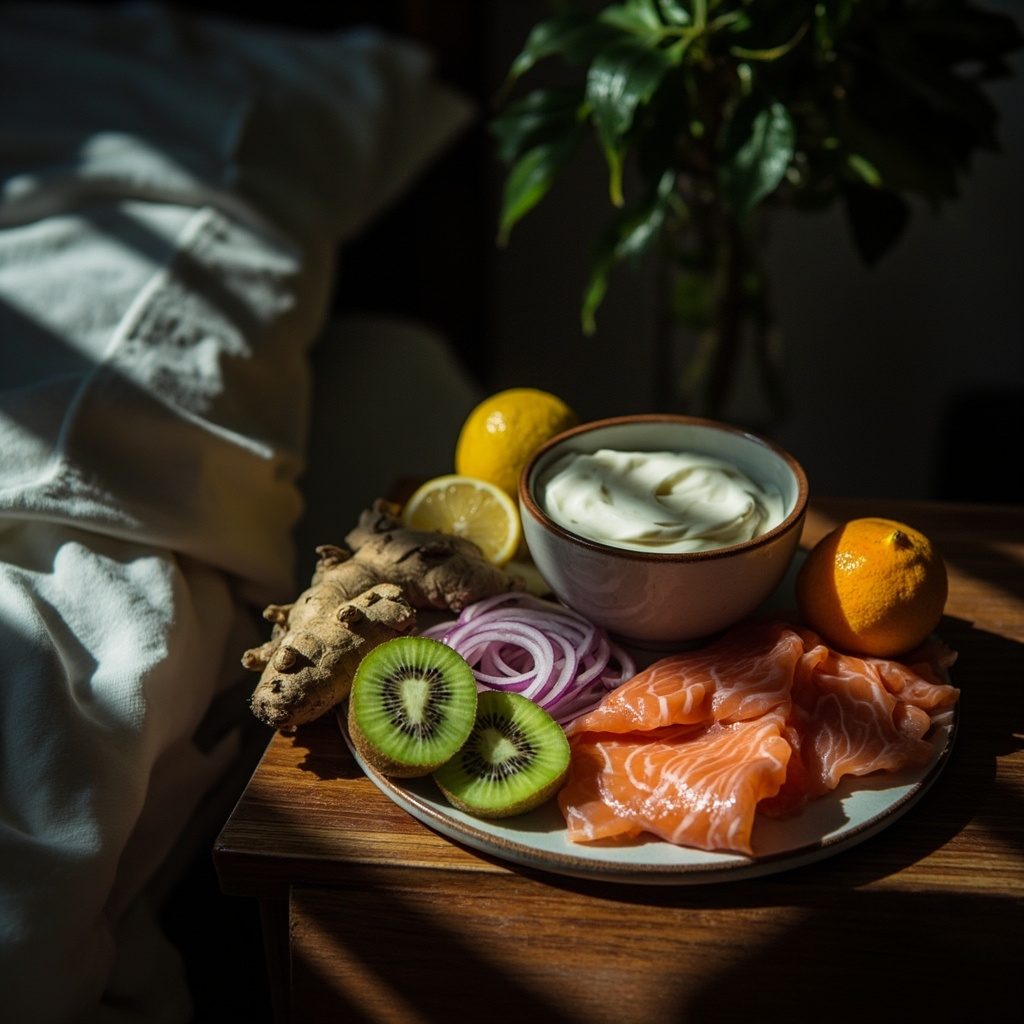
Quercetin: A plant compound that blocks histamine release and eases eye, nose, and sleep problems. One study found 200 mg daily for four weeks cut symptoms significantly. Foods: Onions (especially red), apples, berries, capers.
-
Vitamin C: Acts as an antioxidant to shorten allergy attacks and reduce irritation in airways. Foods: Citrus fruits (oranges, lemons), kiwi, bell peppers, broccoli, strawberries.
-
Omega-3 fatty acids: Fight inflammation in nasal passages and boost resistance to hay fever. Foods: Salmon, mackerel, walnuts, flaxseeds.
-
Vitamin E: Suppresses immune overreactions and protects nasal tissues. Foods: Almonds, sunflower seeds, spinach, avocados.
-
Zinc: Supports immune tolerance and reduces sneezing. Foods: Pumpkin seeds, chickpeas, oysters, yogurt.
-
Probiotics: Balance gut bacteria to lower allergy risk. Foods: Kefir, sauerkraut, yogurt with live cultures.
-
Vitamin D: Helps regulate immune responses; deficiency worsens rhinitis. Foods: Fatty fish, fortified plant milks, mushrooms.
Foods to Eat More Of
Build meals around these:
- Breakfast: Smoothie with kiwi, berries, yogurt, and flaxseeds.
- Lunch: Salmon salad with spinach, onions, and bell peppers.
- Snack: Apple slices with almond butter.
- Dinner: Stir-fried broccoli, ginger, and chickpeas over quinoa.
Ginger and turmeric add extra anti-inflammatory power-try them in teas or meals.
Foods to Limit
Cut back on:
- Processed sugars and refined carbs, which spike inflammation.
- Excessive dairy, as it may thicken mucus for some.
- Fried foods high in omega-6 fats, which promote swelling.
Opt for a Mediterranean-style diet: plenty of fruits, veggies, olive oil, and fish.
Practical Tips for Better Sleep
- Eat quercetin-rich foods in the evening to calm nighttime symptoms.
- Stay hydrated to thin mucus.
- Pair nutrition with habits like saline rinses.
By focusing on these foods, you address root imbalances. Many notice less congestion within weeks, leading to deeper sleep and more energy.
This approach empowers you to support your body's natural balance through everyday eating.
- 1. womenshealthmag.com
- 2. health.clevelandclinic.org
- 3. healthline.com
- 4. medicalnewstoday.com
- 5. evergreen.ie
- 6. today.com
- 7. healthspan.co.uk
- 8. healthline.com
- 9. healthline.com
- 10. drmatorin.com
- 11. webmd.com
- 12. pubmed.ncbi.nlm.nih.gov
- 13. nutritionguide.pcrm.org
- 14. rainbowacresca.com
- 15. sinusandallergywellnesscenter.com
- 16. healthline.com
- 17. sinusandallergywellnesscenter.com
- 18. pmc.ncbi.nlm.nih.gov
- 19. get-nourished.com
- 20. enticare.com
- 21. coopercomplete.com
- 22. amaranth-wellbeing.com
- 23. vibrant-wellness.com
- 24. goodrx.com
- 25. pubmed.ncbi.nlm.nih.gov
- 26. nhc.com
- 27. pubmed.ncbi.nlm.nih.gov
- 28. flonase.com
- 29. sanoviv.com
- 30. bbcgoodfood.com
- 31. pmc.ncbi.nlm.nih.gov
- 32. hartfordhealthcarerehabnetwork.org
- 33. bswhealth.com
- 34. goodrx.com
- 35. hairanalysisnutrition.com
- 36. pmc.ncbi.nlm.nih.gov
- 37. webmd.com
- 38. entandallergy.com
- 39. coremedscience.com
- 40. pubmed.ncbi.nlm.nih.gov
- 41. patrickholford.com
- 42. goodrx.com
- 43. britishallergyclinic.com
Related posts
Glossary
- Energy and mind Structures > Tolerance
- Energy and mind Structures > Immunity
- Body zones > membranes
- Body zones > nose
- Body zones > throat
- Body zones > tissues
- TCM Recipes > Allergic Rhinitis: Relief for Sneezing and Itchy Eyes
- TCM Recipes > Allergy Relief: Natural Solutions for Respiratory Comfort
- TCM Recipes > Allergic Rhinitis Relief: Sleep Better with Herbs
- Energy and mind Structures > sleep
- Stimuli > Rhinitis
- Stimuli > Ginger
- Stimuli > Sneezing
- Stimuli > Moon - Nasal Passage, Breathing, Taste
- Stimuli > Fever
- Binaural beats > Allergy Relief: Binaural Beats for Immune Balance
- Binaural beats > Inflammation Relief: Heal Faster with Binaural Beats
- Binaural beats > Congestion: A Binaural Beat Program for Physical Relief
- Stimuli > Zinc
- Stimuli > Lead
- Stimuli > SOD1, Antioxidant
see also...
- Energy and mind Structures > HRV
- Energy and mind Structures > Body zones > bones
- Energy and mind Structures > TCM Recipes > Allergic Rhinitis Relief: Sleep Better with Herbs
- Binaural beats > Stimuli > SOD1, Antioxidant
- Binaural beats > Christ Consciousness: Enhance Awareness through Sound Frequencies