


Pollen Allergy Eye Redness: Nutrition Relief
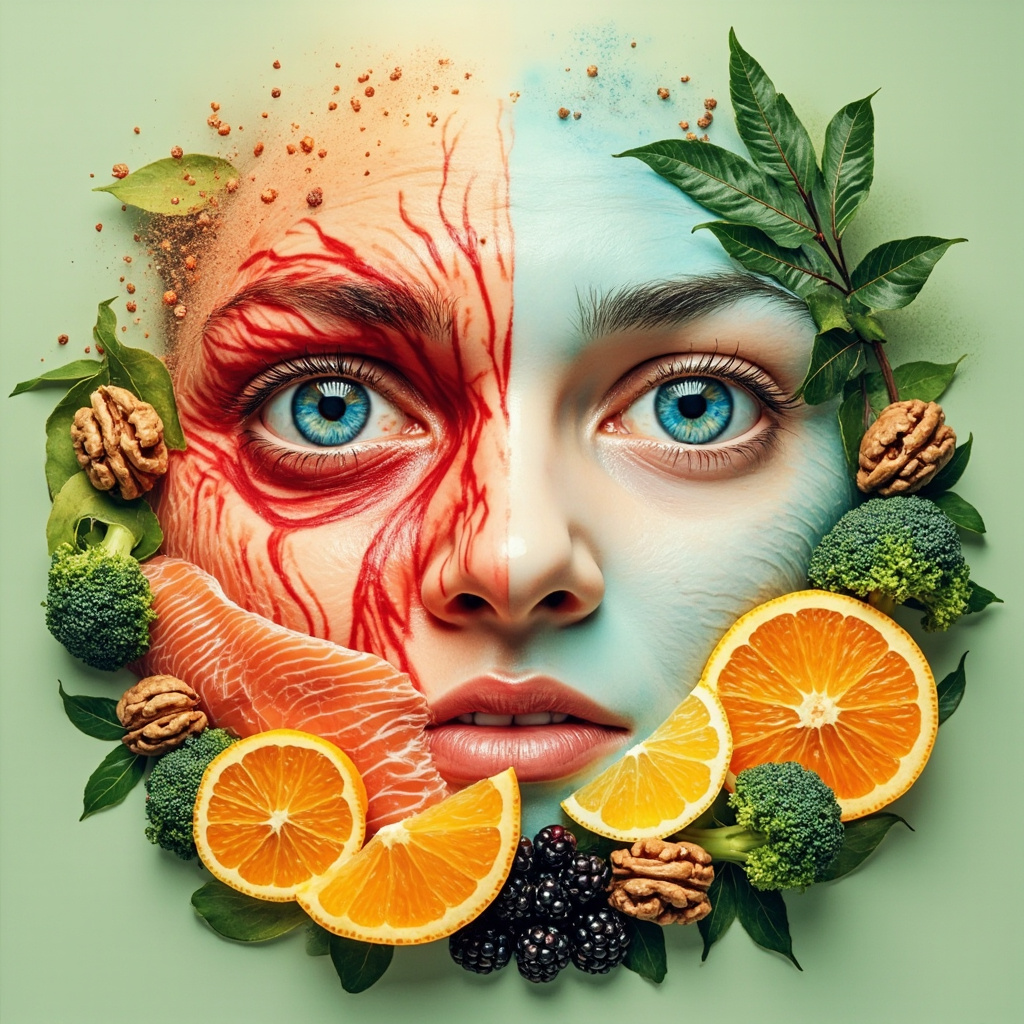
Understanding Pollen Allergy Eye Redness
Pollen allergy eye redness happens when tiny pollen particles irritate your eyes, causing them to become red, itchy, and sometimes watery. This common spring issue stems from your body's immune response releasing chemicals like histamine, leading to swelling and discomfort in the delicate eye tissues. In BioCoherence assessments, this shows up as a specific biomarker pattern, highlighting energy imbalances in eye-related structures that can affect daily clarity and focus.
While avoiding pollen helps, nutrition plays a key role in calming these reactions. Certain foods provide anti-inflammatory compounds and nutrients that stabilize the immune response, soothe eye irritation, and promote recovery.
Key Nutrients for Eye Comfort
Focus on these nutrients to target inflammation and support eye health:
- Vitamin C: Acts as a natural antihistamine, reducing histamine release and easing redness and watering. Aim for 500-1000 mg daily from food.
- Omega-3 fatty acids: Powerful anti-inflammatories that reduce swelling around the eyes. They also help with dryness often linked to allergies.
- Quercetin: A plant compound that blocks histamine and stabilizes cells involved in allergic reactions.
- Probiotics: Balance gut bacteria, which influences immune function and cuts down systemic inflammation affecting the eyes.
- Antioxidants like vitamin A and E: Protect eye tissues from oxidative stress triggered by allergens.
Top Foods to Include
Incorporate these into your meals for targeted relief:
Vitamin C Powerhouses
- Citrus fruits: Oranges, lemons, grapefruits, kiwis.
- Vegetables: Broccoli, bell peppers, strawberries.
- Pineapple: Contains bromelain, an enzyme that further reduces swelling.
Omega-3 Sources
- Fatty fish: Salmon, sardines, mackerel (2-3 servings weekly).
- Plant options: Flaxseeds, walnuts, chia seeds.
Quercetin-Rich Choices
- Onions, apples, berries (blueberries, raspberries).
Probiotic Foods
- Yogurt, kefir, sauerkraut, kimchi.
Additional Supports
- Ginger and turmeric: Brew as tea to lower histamine.
- Leafy greens and carrots: For antioxidants and vitamin A.
Start with small changes, like adding a citrus smoothie in the morning or salmon to dinner.
Sample Daily Meal Plan
Breakfast: Greek yogurt with berries, kiwi, and a sprinkle of flaxseeds. Snack: Handful of walnuts and an apple. Lunch: Salmon salad with leafy greens, bell peppers, and broccoli. Snack: Pineapple chunks or ginger tea. Dinner: Stir-fried veggies with turmeric-seasoned chicken or tofu.
This plan delivers balanced nutrients while keeping calories in check for sustained energy.
The Gut-Eye Connection
Your gut health directly impacts allergies. Poor microbiome balance can heighten immune overreactions, worsening eye symptoms. Probiotics and fiber-rich foods help restore harmony, reducing inflammation body-wide. Stress also plays a role-elevated cortisol disrupts digestion and amplifies allergies. Pair nutrition with relaxation techniques for better results.
Metabolism and Biomarker Insights
In nutrition-focused assessments, biomarkers for pollen allergy eye redness often link to metabolic markers like inflammation levels and nutrient status. Low vitamin C or omega-3s can prolong symptoms, while optimal levels speed recovery. Track your diet's impact by noting energy, mood, and eye comfort.
By prioritizing these foods, you support your body's natural balance, easing pollen-induced eye redness and enhancing vitality. Consistent choices build resilience against seasonal challenges.
- 1. flsouthern.edu
- 2. flonase.com
- 3. sciencedirect.com
- 4. vibrant-wellness.com
- 5. entandallergy.com
- 6. everydayhealth.com
- 7. stlouisallergyrelief.com
- 8. aao.org
- 9. facebook.com
- 10. instagram.com
- 11. beckerentandallergy.com
- 12. facebook.com
- 13. healthline.com
- 14. uniurgentcare.com
- 15. instagram.com
- 16. rivertowneyecare.com
- 17. facebook.com
- 18. pasteur-lille.fr
- 19. hartfordhealthcarerehabnetwork.org
- 20. instagram.com
- 21. expressnews.com
- 22. bbcgoodfood.com
- 23. cheshire.refocuseyedoctors.com
- 24. milpitasoptometric.com
- 25. nhc.com
- 26. pmc.ncbi.nlm.nih.gov
- 27. instagram.com
- 28. allergychoices.com
- 29. pmc.ncbi.nlm.nih.gov
- 30. pmc.ncbi.nlm.nih.gov
- 31. womenshealthmag.com
- 32. onlinelibrary.wiley.com
- 33. goodrx.com
- 34. bswhealth.com
- 35. health.com
- 36. dawsonvision.com
- 37. brodynd.com
- 38. goodrx.com
- 39. aol.com
- 40. doralhw.org
- 41. hartfordhealthcarerehabnetwork.org
- 42. austineye.com
- 43. drmatorin.com
- 44. naturalgrocers.com
- 45. goodrx.com
- 46. marianos.com
Related posts
Glossary
- Energy and mind Structures > Focused Coherence; Focus
- Body zones > tissues
- Body zones > eyes
- TCM Recipes > Allergy Relief: Natural Solutions for Respiratory Comfort
- TCM Recipes > Pollen Allergy Relief: Soothing Red, Itchy Eyes
- Energy and mind Structures > vitality
- Energy and mind Structures > Digestion
- Energy and mind Structures > Stress
- Stimuli > Cortisol
- Stimuli > Ginger
- Binaural beats > Allergy Relief: Binaural Beats for Immune Balance
- Binaural beats > Inflammation Relief: Heal Faster with Binaural Beats
- Stimuli > Harmony
- Stimuli > Vitamin A
- Stimuli > GAPDH, Metabolism
- Stimuli > TNF, Immune Response
see also...
- Energy and mind Structures > HRV
- Energy and mind Structures > Body zones > eyes
- Energy and mind Structures > TCM Recipes > Pollen Allergy Relief: Soothing Red, Itchy Eyes
- Binaural beats > Stimuli > TNF, Immune Response
- Binaural beats > Desensitizer: Boost Your Energy and Focus Effectively
- Testimonials > 61% Drop in Nausea and 58% in Headaches from Sound Therapy