


Pollen Allergy Sinus Pain: Nutrition Relief
Understanding Pollen Allergy Sinus Pain
Pollen allergies affect millions each spring, causing sinus pain, pressure, and congestion. This discomfort arises when pollen triggers an immune response, leading to swollen sinus tissues and inflammation. In BioCoherence assessments, Pollen Allergy Sinus Pain appears as a specific biomarker from electrical activity scans. It highlights energy imbalances, heightened agitation, and links to respiratory and immune functions. Addressing it through nutrition supports the body's natural balance.
Why Nutrition Plays a Key Role
Food choices influence inflammation, immune function, and mucus production. Certain nutrients act as natural antihistamines, reduce swelling, and strengthen sinus linings. By focusing on gut health and metabolism-core areas of my expertise-you can lessen sinus pain without relying solely on medications. A balanced diet also aids detoxification and stress management, which often worsen allergy symptoms.
Key Nutrients to Prioritize
Vitamin C: Nature's Antihistamine
Leafy greens like spinach and kale provide this essential vitamin. It lowers histamine levels, easing congestion and pain. Aim for daily servings in salads or smoothies.
Omega-3 Fatty Acids: Inflammation Fighters
Found in salmon, sardines, nuts, and seeds, these healthy fats calm the immune overreaction. They reduce sinus swelling, promoting clearer breathing.
Probiotics: Gut-Sinus Connection
Yogurt, kefir, kimchi, and sauerkraut support microbiome balance. A healthy gut modulates immune responses, cutting allergy intensity.
Quercetin and Zinc: Targeted Support
Quercetin in onions and apples stabilizes cells that release histamines. Zinc shortens inflammation duration, aiding recovery.
Anti-Inflammatory Spices
Turmeric (with curcumin), ginger, and garlic block pain pathways and thin mucus for better drainage.
Foods to Embrace and Avoid
Include These Daily:
- Fatty fish twice weekly.
- Handfuls of pumpkin seeds or walnuts.
- Fresh ginger tea or turmeric in curries.
- Probiotic-rich fermented foods.
- Plenty of water to flush allergens.
Steer Clear Of:
- Dairy, which thickens mucus.
- Processed foods high in sugar and salt.
- Alcohol, a congestion trigger.
- Sometimes citrus, if cross-reacting with pollen.
Practical Meal Ideas
Breakfast: Smoothie with spinach, pineapple (for bromelain), yogurt, and ginger.
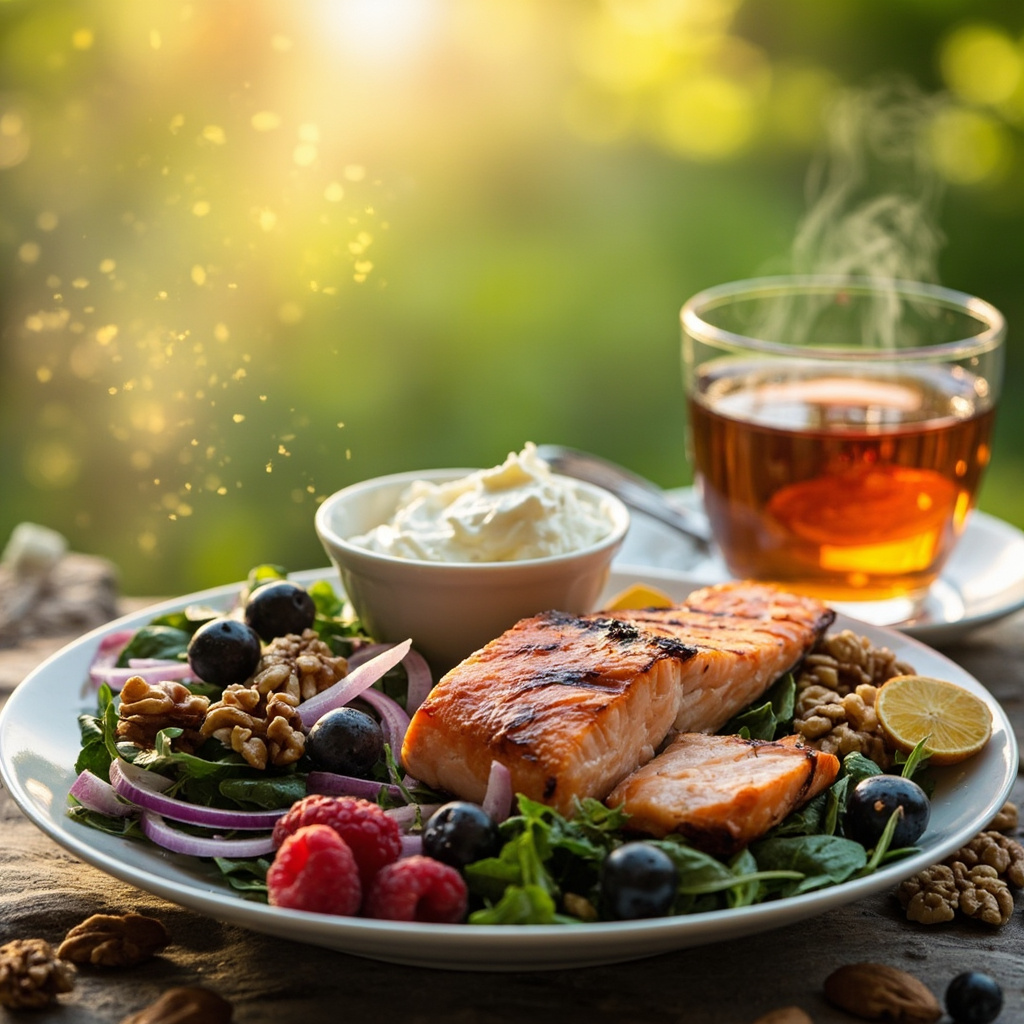
Lunch: Salmon salad with kale, onions, and olive oil dressing.
Dinner: Stir-fried veggies with turmeric, garlic, and sardines over quinoa.
Snacks: Apple slices with almond butter or kefir.
These meals target nutrient deficiencies common in allergy sufferers, like low vitamin levels linked to poor metabolism.
Linking to Biomarkers and Daily Wellness
BioCoherence biomarkers like this one reveal how stress impacts digestion and energy. High inflammation markers often pair with gut imbalances. Nutrition optimizes these, enhancing overall vitality. Track your symptoms and adjust intake-notice improvements in sinus pain within days.
Long-Term Strategies
Build habits around seasonal changes. Start anti-inflammatory eating three weeks before peak pollen. Combine with hydration and light exercise for best results. For personalized advice, consider your biomarkers for tailored plans.
Stay consistent, and let food become your ally against pollen woes.
- 1. woodshealth.com
- 2. vibrant-wellness.com
- 3. 828urgentcare.com
- 4. bswhealth.com
- 5. entandallergy.com
- 6. pmc.ncbi.nlm.nih.gov
- 7. entflorida.com
- 8. jupitersinusandallergy.com
- 9. breathefreely.com
- 10. facebook.com
- 11. plantacorp.com
- 12. aaaai.org
- 13. southfloridasinusandallergy.com
- 14. webmd.com
- 15. facebook.com
- 16. pmc.ncbi.nlm.nih.gov
- 17. earandsinusinstitute.com
- 18. doralhw.org
- 19. pmc.ncbi.nlm.nih.gov
- 20. allergychoices.com
- 21. goodrx.com
- 22. sleepandsinuscenters.com
- 23. sinusandallergywellnesscenter.com
- 24. goodrx.com
- 25. allergytampa.com
- 26. drmatorin.com
- 27. pmc.ncbi.nlm.nih.gov
- 28. flonase.com
- 29. rainbowacresca.com
- 30. pleasanthill.dmschools.org
- 31. nutritionguide.pcrm.org
- 32. todaysdietitian.com
- 33. sciencedirect.com
- 34. hartfordhospitaldocs.com
- 35. sleepandsinuscenters.com
- 36. pmc.ncbi.nlm.nih.gov
Related posts
Glossary
- Energy and mind Structures > Water
- Body zones > respiratory
- Body zones > tissues
- TCM Recipes > Sinus Relief: Simple Remedies for Congestion & Pain
- TCM Recipes > Allergy Relief: Natural Solutions for Respiratory Comfort
- TCM Recipes > Pollen Allergy Relief: Ease Sinus Pain and Congestion
- Energy and mind Structures > vitality
- Energy and mind Structures > Digestion
- Energy and mind Structures > Stress
- Stimuli > GSTM1, Detoxification
- Stimuli > Ginger
- Stimuli > Moon - Nasal Passage, Breathing, Taste
- Stimuli > AIDS
- Stimuli > Pain
- Binaural beats > Allergy Relief: Binaural Beats for Immune Balance
- Binaural beats > Inflammation Relief: Heal Faster with Binaural Beats
- Binaural beats > Congestion: A Binaural Beat Program for Physical Relief
- Stimuli > Zinc
- Stimuli > GAPDH, Metabolism
- Stimuli > TNF, Immune Response
see also...
- Energy and mind Structures > HRV
- Energy and mind Structures > Body zones > bones
- Energy and mind Structures > TCM Recipes > Pollen Allergy Relief: Ease Sinus Pain and Congestion
- Testimonials > 61% Drop in Nausea and 58% in Headaches from Sound Therapy
- Binaural beats > Stimuli > TNF, Immune Response
- Binaural beats > Christ Consciousness: Enhance Awareness through Sound Frequencies