


Food-Induced Hives: Nutrition for Relief
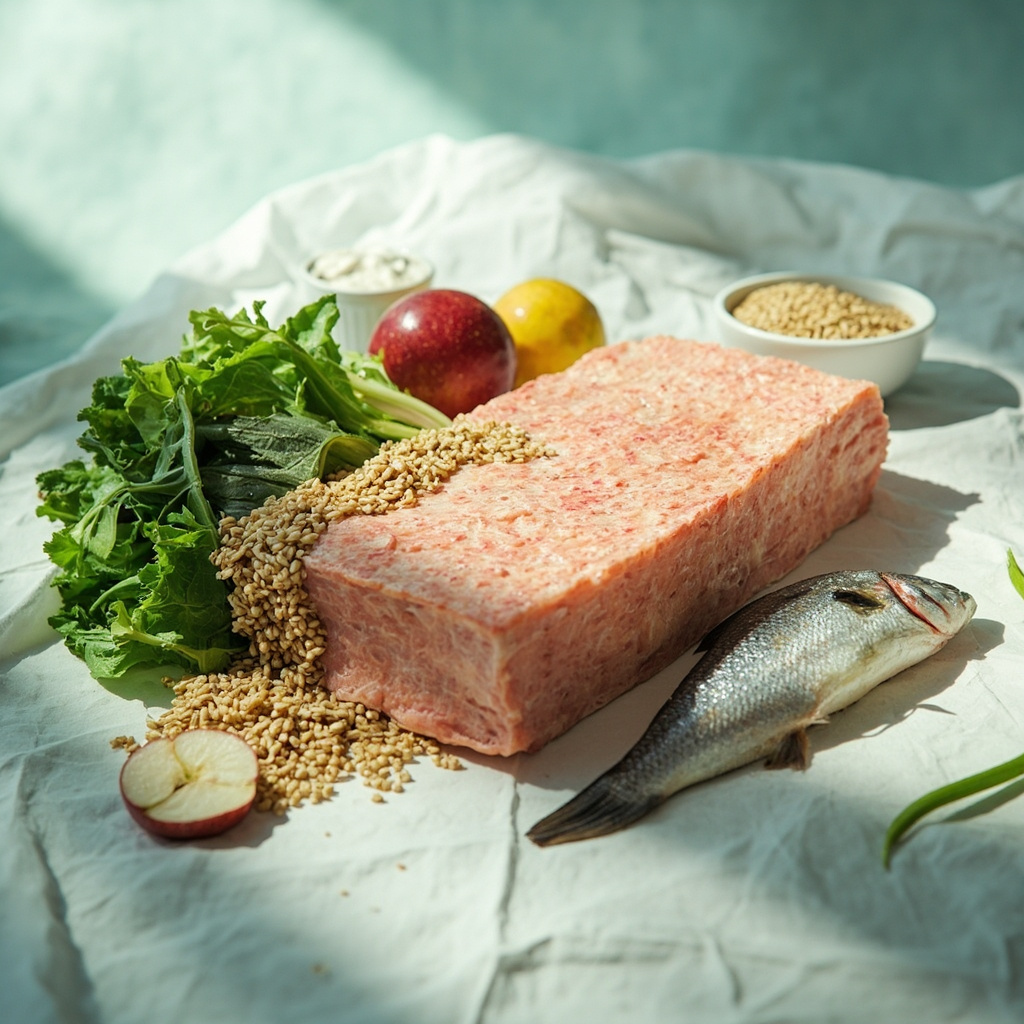
Sudden itchy red welts popping up after eating? These are food-induced hives, a common reaction where certain foods prompt your body to release too much histamine. This chemical causes swelling and irritation on the skin. While not always a full allergy, it disrupts daily life and comfort.
Food-induced hives show up as raised patches that itch intensely, sometimes with swelling around the lips, eyes, or throat. They often fade within hours but can recur with the next trigger meal. Common culprits include shellfish, nuts, eggs, dairy, and additives like preservatives.
Spotting the Signs
- Welts and bumps: Red, hive-like spots that blanch under pressure.
- Itching or burning: Intense urge to scratch, worsening the cycle.
- Swelling: Mild puffiness, especially near the trigger area.
These reactions link to the gut and skin's electrical balance. In BioCoherence, the Food-Induced Hives biomarker reveals agitation in digestion and immune responses through body scans.
Why Nutrition Matters
Your diet directly influences histamine levels and inflammation. A low-histamine approach reduces the load on your system, while supportive nutrients strengthen the gut barrier and calm overreactions. Gut health plays a big role, as poor microbiome balance can amplify sensitivities.
Stress and metabolism also factor in. High cortisol from tension slows digestion, making triggers worse. Optimized nutrition addresses these by boosting detox pathways and stabilizing energy.
Foods to Choose Daily
Build meals around fresh, simple options to keep histamine low:
-
Vegetables: Broccoli, zucchini, leafy greens like lettuce (avoid spinach, tomatoes).
-
Proteins: Fresh poultry, eggs if tolerated, or white fish (cook immediately, skip canned).
-
Grains: Rice, oats, quinoa.
-
Fruits: Apples, pears, blueberries (fresh only, no citrus or strawberries).
These choices support micronutrient balance, easing inflammation markers.
Foods to Avoid or Limit
Steer clear of histamine builders:
- Fermented items: Cheese, yogurt, sauerkraut, vinegar.
- Processed meats: Sausages, bacon, smoked fish.
- High-histamine produce: Avocado, eggplant, bananas.
- Additives: Artificial colors, preservatives in packaged foods.
Track reactions with a food diary to pinpoint personal triggers.
Power Nutrients for Relief
Target these for deeper support:
- Vitamin C: Acts as a natural antihistamine. Get it from bell peppers, broccoli (500-1000mg daily).
- Quercetin: Stabilizes mast cells that release histamine. Found in onions, apples; consider supplements.
- Vitamin D: Balances immunity. Sun exposure or fatty fish; test levels if chronic.
- Omega-3 fatty acids: Fight inflammation. From fresh salmon or flaxseeds.
- Probiotics: Restore gut flora for better tolerance. Yogurt alternatives or supplements.
These align with biomarkers for inflammation, gut microbiota, and nutrient gaps.
A Sample Day of Eating
Breakfast: Oatmeal with fresh apple slices and a sprinkle of chia seeds. Lunch: Grilled chicken salad with lettuce, cucumber, olive oil dressing. Snack: Rice cakes with fresh turkey slices. Dinner: Baked cod with steamed zucchini and quinoa.
Aim for variety while staying fresh. Hydrate well to aid detox.
Long-Term Balance
Combine diet with mindful eating to lower stress on digestion. Over time, this reduces hive frequency by improving metabolic and inflammatory markers. If hives persist, consult a pro for personalized scans.
Nutrition empowers you to reclaim clear skin and meal freedom.
- 1. medicalnewstoday.com
- 2. pmc.ncbi.nlm.nih.gov
- 3. wyndly.com
- 4. fda.gov
- 5. onlinelibrary.wiley.com
- 6. blog.accessmedlab.com
- 7. doctorkatta.com
- 8. nutritionguide.pcrm.org
- 9. nature.com
- 10. everydayhealth.com
- 11. pmc.ncbi.nlm.nih.gov
- 12. facebook.com
- 13. health.com
- 14. cidjournal.com
- 15. allergyasthmanetwork.org
- 16. advances.nutrition.org
- 17. everlywell.com
- 18. researchgate.net
- 19. healio.com
- 20. functionalmedicinecoach.ch
- 21. pmc.ncbi.nlm.nih.gov
- 22. allergyasthmanetwork.org
- 23. everydayhealth.com
- 24. ebsco.com
- 25. vitalitydoctors.com
- 26. drfullerallergy.com
- 27. pmc.ncbi.nlm.nih.gov
- 28. raleighadultmedicine.com
- 29. kmagdalinou.com
- 30. foodallergy.org
- 31. sciencedirect.com
- 32. healthline.com
- 33. med.virginia.edu
- 34. onlinelibrary.wiley.com
- 35. mamahealth.com
- 36. doralhw.org
- 37. webmd.com
- 38. uptodate.com
- 39. nhsinform.scot
- 40. nutritionist-resource.org.uk
- 41. zyrtec.com
- 42. allergy.org.au
- 43. acaai.org
- 44. facebook.com
- 45. health.clevelandclinic.org
- 46. wyndly.com
- 47. sciencedirect.com
- 48. naturemed.org
- 49. natureofskinatx.com
- 50. newsnetwork.mayoclinic.org
- 51. aad.org
Related posts
Glossary
- Energy and mind Structures > Tolerance
- Energy and mind Structures > Immunity
- Body zones > throat
- Body zones > eyes
- TCM Recipes > Food-Induced Hives: Relief for Itchy Allergic Reactions
- TCM Recipes > Allergy Relief: Natural Solutions for Respiratory Comfort
- TCM Recipes > Skin Health: Remedies for Acne and Eczema
- Energy and mind Structures > Digestion
- Energy and mind Structures > Stress
- Stimuli > Cortisol
- Binaural beats > Allergy Relief: Binaural Beats for Immune Balance
- Binaural beats > Inflammation Relief: Heal Faster with Binaural Beats
- Stimuli > Hives
- Stimuli > GAPDH, Metabolism
see also...
- Energy and mind Structures > HRV
- Energy and mind Structures > Body zones > eyes
- Energy and mind Structures > TCM Recipes > Hormonal Harmony: A TCM Recipe for Women's Balance
- Binaural beats > Stimuli > Chakra Throat
- Binaural beats > Desensitizer: Boost Your Energy and Focus Effectively
- Testimonials > 61% Drop in Nausea and 58% in Headaches from Sound Therapy