


Environmental Allergy: Nutrition for Relief
Recognizing Environmental Allergies
Environmental allergies happen when your body overreacts to things like pollen, dust mites or mold in the air. Common signs include sneezing, runny nose, itchy eyes, skin rashes and tiredness. These reactions come from histamine release, a chemical your immune system makes to fight invaders. Over time, constant exposure can lead to ongoing inflammation, draining your energy and affecting daily life.
In BioCoherence assessments, the Environmental Allergy biomarker shows how this structure's energy and activity levels influence your well-being. Low energy here might signal fatigue, while high agitation points to irritation and stress responses.
The Gut-Immunity Link
Your gut plays a big role in allergies. A healthy microbiome – the good bacteria in your intestines – helps regulate immune responses. Recent research links poor gut balance to stronger allergic reactions. For example, low diversity in gut bacteria can increase inflammation body-wide, making you more sensitive to environmental triggers.
Supporting your gut with probiotics from yogurt, kefir or fermented veggies strengthens this barrier. Prebiotic foods like onions, garlic and bananas feed those good bacteria, helping reduce histamine overdrive.
Top Nutrients for Calming Reactions
Focus on these everyday nutrients to ease symptoms:
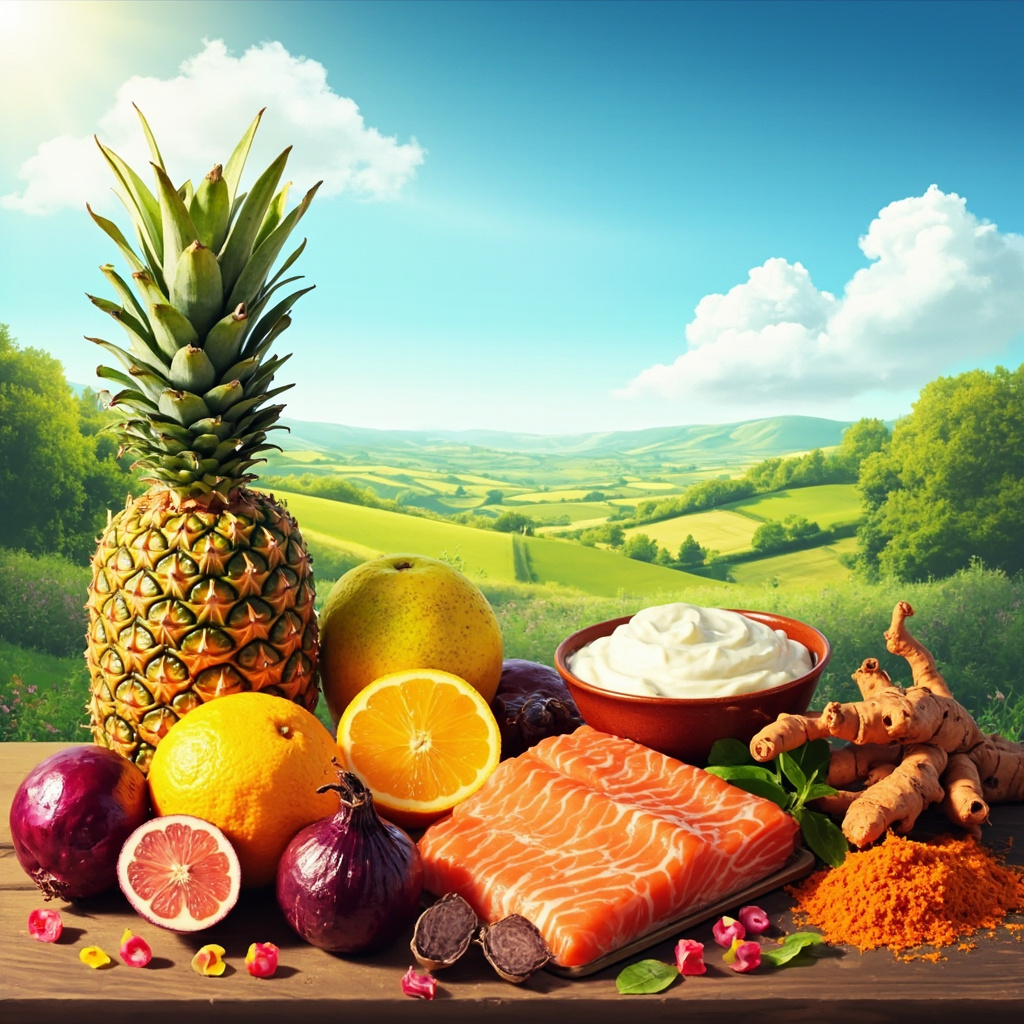
- Vitamin C: Acts as a natural antihistamine and antioxidant. Found in citrus fruits, bell peppers, broccoli and strawberries. Aim for 75-90 mg daily from food to lower inflammation.
- Quercetin: A plant compound that stabilizes cells releasing histamine. Rich in apples, red onions, berries and capers. Pair with vitamin C for better absorption.
- Bromelain: An enzyme from pineapple that reduces swelling and clears mucus. Eat fresh pineapple or add to smoothies.
- Omega-3 fatty acids: Fight inflammation. Get them from salmon, flaxseeds, walnuts and chia seeds.
- Turmeric (curcumin): Powerful anti-inflammatory. Use in curries or golden milk with black pepper for better uptake.
These target biomarkers of inflammation and oxidative stress, common in allergy profiles.
Meal Ideas to Build Resilience
Incorporate these into your routine:
Breakfast: Smoothie with pineapple, strawberries, kefir and a handful of spinach. Lunch: Salmon salad with mixed greens, red onions, bell peppers and olive oil dressing. Snack: Apple slices with almond butter. Dinner: Stir-fried broccoli, garlic and turmeric chicken or tofu over quinoa.
Stay hydrated and limit processed foods, sugar and dairy if they worsen symptoms. Local honey in small amounts may help desensitize to pollen.
Stress and Lifestyle Ties
Stress worsens allergies by spiking inflammation. Biomarkers often show links between adrenal function and allergic responses. Combine nutrition with rest, walks in fresh air (post-peak pollen) and deep breathing.
Tracking your diet's impact on energy and mood reveals patterns. Foods supporting metabolism and detox pathways help your body clear allergens faster.
Persistent symptoms? Consult a professional for personalized checks. Simple dietary shifts can bring lasting relief and vitality.
- 1. entandallergy.com
- 2. nutritionfacts.org
- 3. naturomedica.com
- 4. aafa.org
- 5. climatecentral.org
- 6. beyondhealth.com
- 7. flonase.com
- 8. bbcgoodfood.com
- 9. adventhealth.com
- 10. qfc.com
- 11. sciencedirect.com
- 12. today.com
- 13. familymedicineaustin.com
- 14. aafa.org
- 15. drnathaliebeauchamp.com
- 16. jamanetwork.com
- 17. healthsci.mcmaster.ca
- 18. frontiersin.org
- 19. facebook.com
- 20. pmc.ncbi.nlm.nih.gov
- 21. snacksafely.com
- 22. drmatorin.com
- 23. hsph.harvard.edu
- 24. mdpi.com
- 25. medicalxpress.com
- 26. engineering.stanford.edu
- 27. bswhealth.com
- 28. brodynd.com
- 29. facebook.com
- 30. hotbot.com
- 31. doctronic.ai
- 32. youtube.com
- 33. nutrition.bmj.com
- 34. sacredsolhealing.com
- 35. instagram.com
- 36. heartandhealth.com
- 37. perfecthumanfunction.com
- 38. pmc.ncbi.nlm.nih.gov
- 39. kroger.com
- 40. nih.gov
- 41. nestlenutrition-institute.org
- 42. nature.com
- 43. doctronic.ai
- 44. wyndly.com
- 45. facebook.com
- 46. thinkvida.com
Related posts
Glossary
- Body zones > nose
- Body zones > eyes
- TCM Recipes > Environmental Allergy: Relief for Sneezing & Skin Itch
- TCM Recipes > Allergy Relief: Natural Solutions for Respiratory Comfort
- TCM Recipes > Skin Health: Remedies for Acne and Eczema
- TCM Recipes > Adrenal Support: Remedies for Fatigue and Stress
- TCM Recipes > Boost Your Energy: A TCM Recipe for Fatigue Relief
- Energy and mind Structures > vitality
- Energy and mind Structures > Stress
- Stimuli > Sneezing
- Stimuli > Moon - Nasal Passage, Breathing, Taste
- Binaural beats > Allergy Relief: Binaural Beats for Immune Balance
- Binaural beats > Inflammation Relief: Heal Faster with Binaural Beats
- Binaural beats > Immune System Support: Enhancing Health with Sound Frequencies
- Stimuli > Lead
- Stimuli > SOD1, Antioxidant
see also...
- Energy and mind Structures > HRV
- Energy and mind Structures > Body zones > eyes
- Energy and mind Structures > TCM Recipes > Tension Headache Relief: A Natural Approach to Ease Stress
- Binaural beats > Stimuli > SOD1, Antioxidant
- Binaural beats > Immune System Support: Enhancing Health with Sound Frequencies
- Testimonials > 61% Drop in Nausea and 58% in Headaches from Sound Therapy