


Candida albicans: Nutrition for Gut Balance
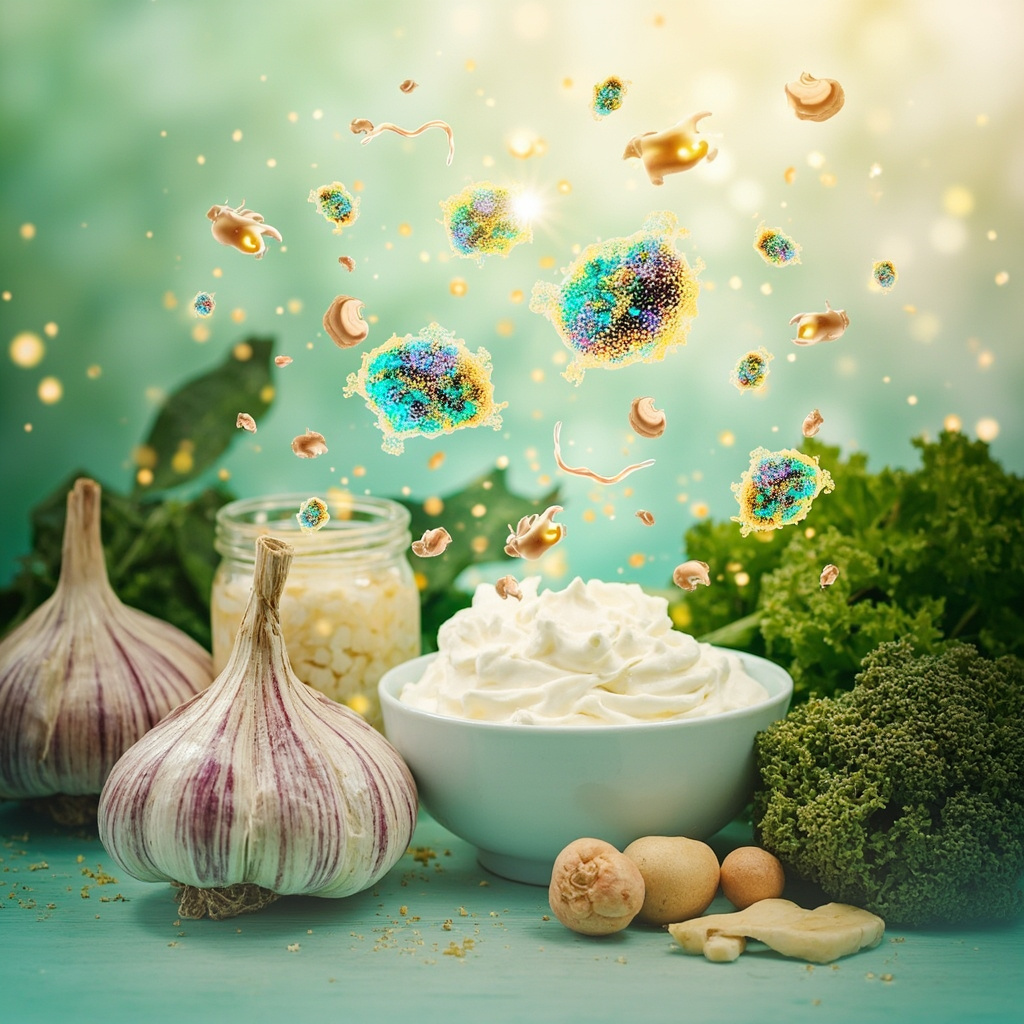
What is Candida albicans?
Candida albicans is a type of yeast that naturally lives in small amounts in the mouth, throat, gut, and genital areas. It helps maintain microbial balance when kept in check. However, when it overgrows, it can lead to infections and discomfort in these regions. This imbalance often stems from factors like high sugar intake, antibiotics, or stress, which tip the scales in its favor.
Physical Signs of Imbalance
Overgrowth commonly affects the digestive system, causing bloating, gas, irregular bowel movements, and cravings for sweets. You might notice white patches in the mouth (thrush), itchy skin rashes, or recurrent infections. Fatigue sets in as nutrients are poorly absorbed, and brain fog makes focus hard. These symptoms signal that your body's natural defenses need support.
Emotional Ties to Candida
Beyond the body, Candida imbalance stirs emotional unrest. Physical discomfort breeds frustration and irritation. Digestive upset and exhaustion can spark anxiety, low mood, and a sense of being overwhelmed. You may feel out of control, as if daily energy drains without reason. Restoring gut harmony often lifts these clouds, fostering clarity and calm.
Nutrition Strategies for Balance
Diet plays a key role in managing Candida albicans. Focus on starving the yeast while feeding beneficial bacteria. Here's a practical guide:
Foods to Limit or Avoid
- Sugars and sweets: Candy, soda, desserts-yeast thrives on them.
- Refined carbs: White bread, pasta, rice; opt for whole grains sparingly.
- Alcohol and yeast products: Beer, wine, baked goods with yeast.
- High-sugar fruits: Bananas, grapes; choose low-sugar options like berries.
- Processed foods: Often hidden sugars and additives worsen overgrowth.
Foods to Embrace
- Non-starchy vegetables: Broccoli, spinach, zucchini-fiber-rich and low-sugar.
- Probiotic foods: Yogurt (plain, unsweetened), kefir, sauerkraut-rebuild good bacteria.
- Antifungal heroes:
- Garlic: Natural antimicrobial.
- Coconut oil: Contains caprylic acid to fight yeast.
- Ginger and turmeric: Reduce inflammation.
- Lean proteins: Chicken, fish, eggs-sustain energy without feeding yeast.
- Healthy fats: Avocados, olive oil, nuts (in moderation).
- Low-sugar fruits: Lemons, limes, blueberries.
Incorporate these gradually. A sample day: Start with lemon water, have eggs with spinach for breakfast, salad with grilled chicken and olive oil for lunch, and salmon with broccoli for dinner. Snack on celery with almond butter.
Key Nutrients to Support Gut Health
Certain vitamins and minerals aid recovery:
- Probiotics: From food or supplements to crowd out yeast.
- Omega-3s: From fish or flaxseeds to ease inflammation.
- Vitamin D and zinc: Boost immunity; found in sunlight, fatty fish, seeds.
- Fiber: From veggies to promote regularity and feed good microbes.
Stress impacts digestion too-pair diet with relaxation for best results.
Candida as a Balanced Resource
When in harmony, Candida albicans contributes to microbial stability. It helps prevent harmful overgrowths, eases fatigue, clears brain fog, and smooths digestion. Emotionally, this balance reduces anxiety and frustration, promoting a sense of control and positivity. Your body regains strength, ready for daily vitality.
Track how foods affect you. Notice more energy? Clearer mind? Adjust based on personal responses. Informed choices turn imbalance into strength, optimizing metabolism, gut health, and overall well-being.
- 1. eatrightpro.org
- 2. parsleyhealth.com
- 3. healthloftco.com
- 4. bleib-berg.com
- 5. amymyersmd.com
- 6. amazon.com
- 7. drruscio.com
- 8. thecandidadiet.com
- 9. youtube.com
- 10. taymount.com
- 11. nunm.edu
- 12. healthline.com
- 13. everydayhealth.com
- 14. lakewoodacupuncture.org
- 15. pmc.ncbi.nlm.nih.gov
- 16. nesaz.com
- 17. intermountainhealthcare.org
- 18. ubiehealth.com
- 19. microbiologysociety.org
- 20. mayoclinic.org
- 21. pmc.ncbi.nlm.nih.gov
- 22. verywellhealth.com
- 23. rupahealth.com
- 24. thecandidadiet.com
- 25. healthline.com
- 26. medicalnewstoday.com
Related posts
Glossary
- Energy and mind Structures > Focused Coherence; Focus
- Energy and mind Structures > Water
- Energy and mind Structures > Exhaustion
- Energy and mind Structures > Candida albicans
- Energy and mind Structures > Yeast
- Body zones > mouth
- Body zones > throat
- TCM Recipes > Skin Health: Remedies for Acne and Eczema
- TCM Recipes > Digestive Relief: A Simple Guide to Ease Bloating & Indigestion
- TCM Recipes > Brain Boost: Clear Fog, Improve Focus & Memory
- TCM Recipes > Boost Your Energy: A TCM Recipe for Fatigue Relief
- Energy and mind Structures > vitality
- Energy and mind Structures > Digestion
- Energy and mind Structures > Stress
- Stimuli > Lemon
- Stimuli > Ginger
- Stimuli > Candida
- Binaural beats > Inflammation Relief: Heal Faster with Binaural Beats
- Binaural beats > Bowel Harmony: Enhancing Digestive Health and Balance
- Stimuli > Lead
- Stimuli > Harmony
- Stimuli > GAPDH, Metabolism
see also...
- Energy and mind Structures > HRV
- Energy and mind Structures > Body zones > cortex
- Energy and mind Structures > TCM Recipes > Tension Headache Relief: A Natural Approach to Ease Stress
- Testimonials > 61% Drop in Nausea and 58% in Headaches from Sound Therapy
- Binaural beats > Stimuli > Chakra Throat
- Binaural beats > Bowel Harmony: Enhancing Digestive Health and Balance