


Ascaris megalocephale: Nutrition for Gut Balance
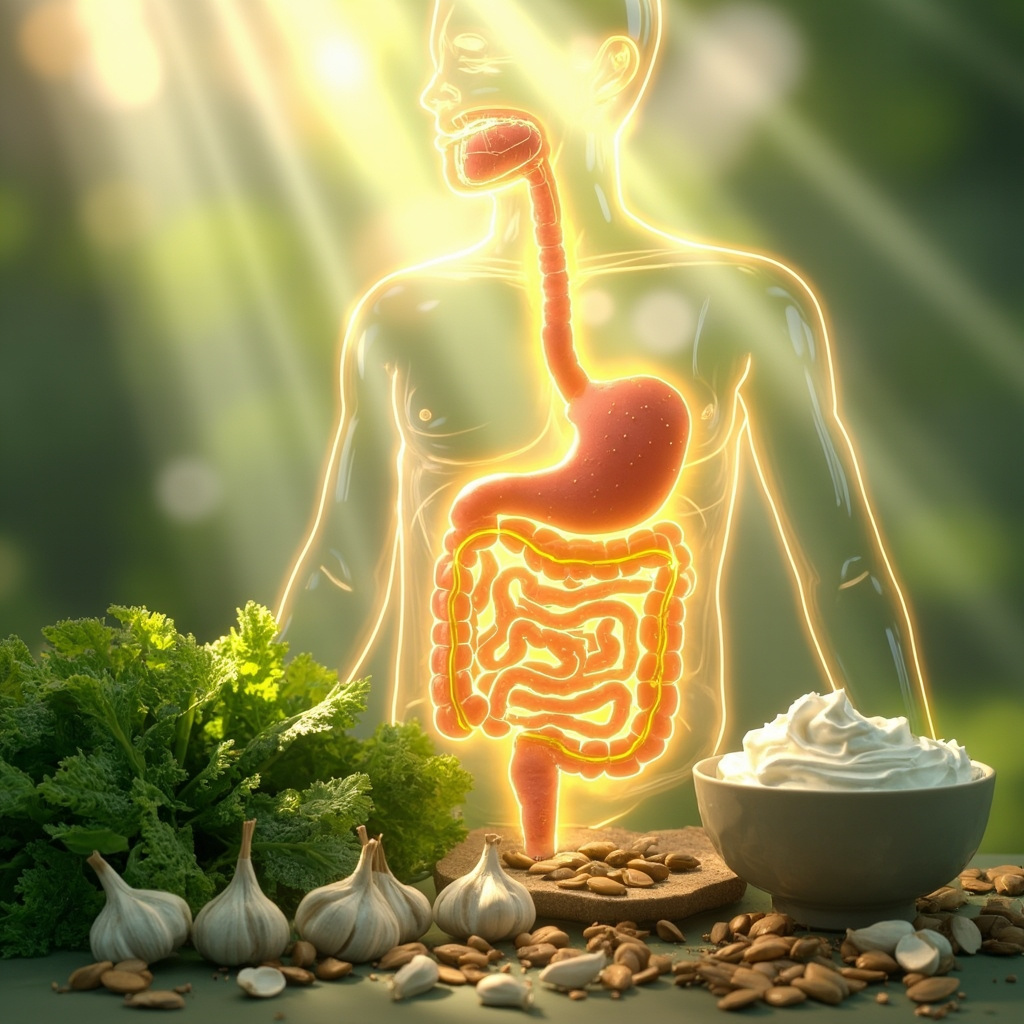
What is Ascaris megalocephale?
Ascaris megalocephale is an intestinal organism that can influence the body's digestive system. It primarily affects the intestines by absorbing nutrients meant for the host. This can lead to malnutrition, where the body struggles to get enough vitamins, minerals, and energy from food. For more details, see the glossary entry.
In everyday terms, think of it as an uninvited guest in your gut that competes for your meals. Common in certain environments, it thrives in the warm, nutrient-rich intestines. While often linked to animals like horses in research, its biomarker shows up in human assessments, signaling potential imbalances.
How It Affects Nutrition and Gut Health
When present, Ascaris megalocephale can cause poor nutrient uptake. This means even if you eat well, your body might not absorb iron, vitamin A, protein, or calories effectively. Children and those with low diets are hit hardest, leading to slowed growth, weakness, and frequent tiredness.
Key impacts include:
- Reduced protein use: Essential for muscle repair and energy.
- Vitamin shortages: Like A and B vitamins for immunity and mood.
- Calorie loss: Worms take energy, leaving you fatigued.
- Gut irritation: Inflammation that slows digestion.
Studies show heavy loads worsen these effects, especially with poor diets. Supporting the gut with nutrition helps counteract this by strengthening absorption and resilience.
Emotional Ties to This Organism
Beyond the physical, Ascaris megalocephale can stir uncomfortable feelings. Its presence might bring anxiety, fear, disgust, or a sense of vulnerability. Gut health links closely to mood – think of the gut-brain connection. Distress from poor digestion can amplify stress, creating a cycle of unease.
When imbalanced, it signals deeper discomfort in letting go or trusting nourishment. Addressing it nutritionally eases these emotions, fostering calm and confidence.
Nutrition Strategies for Balance
As a nutritionist, I focus on foods that bolster gut defenses, enhance absorption, and reduce inflammation. These choices support the body's natural balance without harsh measures.
Key Nutrients to Prioritize
- Probiotics and fibers: Yogurt, kefir, sauerkraut, oats, and bananas feed good bacteria, crowding out unwanted organisms.
- Anti-parasitic foods: Garlic, pumpkin seeds, papaya seeds, and pineapple contain enzymes that aid gut cleansing.
- Nutrient boosters: Leafy greens (spinach, kale) for iron; carrots and sweet potatoes for vitamin A; eggs and nuts for protein.
- Zinc-rich options: Oysters, beef, chickpeas – vital for gut lining repair and immunity.
- Omega-3s: Fatty fish like salmon, flaxseeds to calm inflammation.
Sample Daily Meal Plan
- Breakfast: Smoothie with banana, yogurt, spinach, and pumpkin seeds.
- Lunch: Grilled chicken salad with garlic dressing, papaya, and quinoa.
- Snack: Carrot sticks with pineapple chunks.
- Dinner: Baked salmon, steamed broccoli, and fermented veggies.
- Hydration: Herbal teas like ginger or peppermint for digestion.
Aim for variety and whole foods. Cook gently to preserve nutrients. Pair with stress relief like walks to aid digestion.
Turning It into a Resource
Interestingly, when in harmony, Ascaris megalocephale can support nutrient absorption and digestive balance. It promotes energetic flow in the gut, easing discomfort and building resilience against anxiety. Nutrition amplifies this: robust meals make the gut a strong ally, turning potential weakness into vitality.
Track how you feel – more energy, steadier mood? Adjust based on your needs.
Why Nutrition Matters Now
Gut imbalances like this affect millions, often silently through fatigue or mood dips. Simple, consistent eating rebuilds strength. Combine with rest and movement for best results. Your body knows how to heal; give it the right fuel.
Stay nourished, stay balanced.
- 1. cell.com
- 2. catalog.hathitrust.org
- 3. sciencedaily.com
- 4. foodnavigator.com
- 5. prebioticassociation.org
- 6. horizon.documentation.ird.fr
- 7. mayoclinic.org
- 8. pmc.ncbi.nlm.nih.gov
- 9. my.clevelandclinic.org
- 10. pmc.ncbi.nlm.nih.gov
- 11. latimes.com
- 12. nature.com
- 13. link.springer.com
- 14. facebook.com
- 15. jcdr.net
- 16. nationaltoday.com
- 17. academic.oup.com
- 18. mdpi.com
- 19. bswhealth.com
- 20. frontiersin.org
- 21. pmc.ncbi.nlm.nih.gov
- 22. journals.sagepub.com
- 23. cdc.gov
- 24. sciencedirect.com
- 25. pmc.ncbi.nlm.nih.gov
- 26. researchgate.net
- 27. npr.org
- 28. pubmed.ncbi.nlm.nih.gov
- 29. rutgers.edu
- 30. en.wikipedia.org
- 31. science.howstuffworks.com
- 32. theguardian.com
- 33. vibrant-wellness.com
- 34. youtube.com
- 35. britannica.com
- 36. pmc.ncbi.nlm.nih.gov
- 37. alamy.com
- 38. britannica.com
- 39. bbc.co.uk
Related posts
Glossary
- Energy and mind Structures > iron
- Energy and mind Structures > Focused Coherence; Focus
- Energy and mind Structures > Letting go
- Energy and mind Structures > Confidence
- Energy and mind Structures > Immunity
- Energy and mind Structures > Ascaris megalocephale
- TCM Recipes > Intestinal Harmony: A TCM Recipe for Digestive Relief
- TCM Recipes > Digestive Relief: A Simple Guide to Ease Bloating & Indigestion
- TCM Recipes > Boost Your Energy: A TCM Recipe for Fatigue Relief
- Energy and mind Structures > organisms
- Energy and mind Structures > vitality
- Energy and mind Structures > movement
- Energy and mind Structures > Digestion
- Energy and mind Structures > Stress
- Stimuli > IGF1, Growth
- Stimuli > Peppermint
- Stimuli > Ginger
- Stimuli > Adenovirus type 4, human
- Binaural beats > Inflammation Relief: Heal Faster with Binaural Beats
- Stimuli > Worms
- Stimuli > Lead
- Stimuli > Harmony
- Stimuli > Vitamin A
see also...
- Energy and mind Structures > HRV
- Energy and mind Structures > TCM Recipes > Tension Headache Relief: A Natural Approach to Ease Stress
- Binaural beats > Stimuli > Vitamin A
- Binaural beats > Desensitizer: Boost Your Energy and Focus Effectively
- Testimonials > 61% Drop in Nausea and 58% in Headaches from Sound Therapy