


Zinc: Nutrition for Balance
Why Zinc Matters
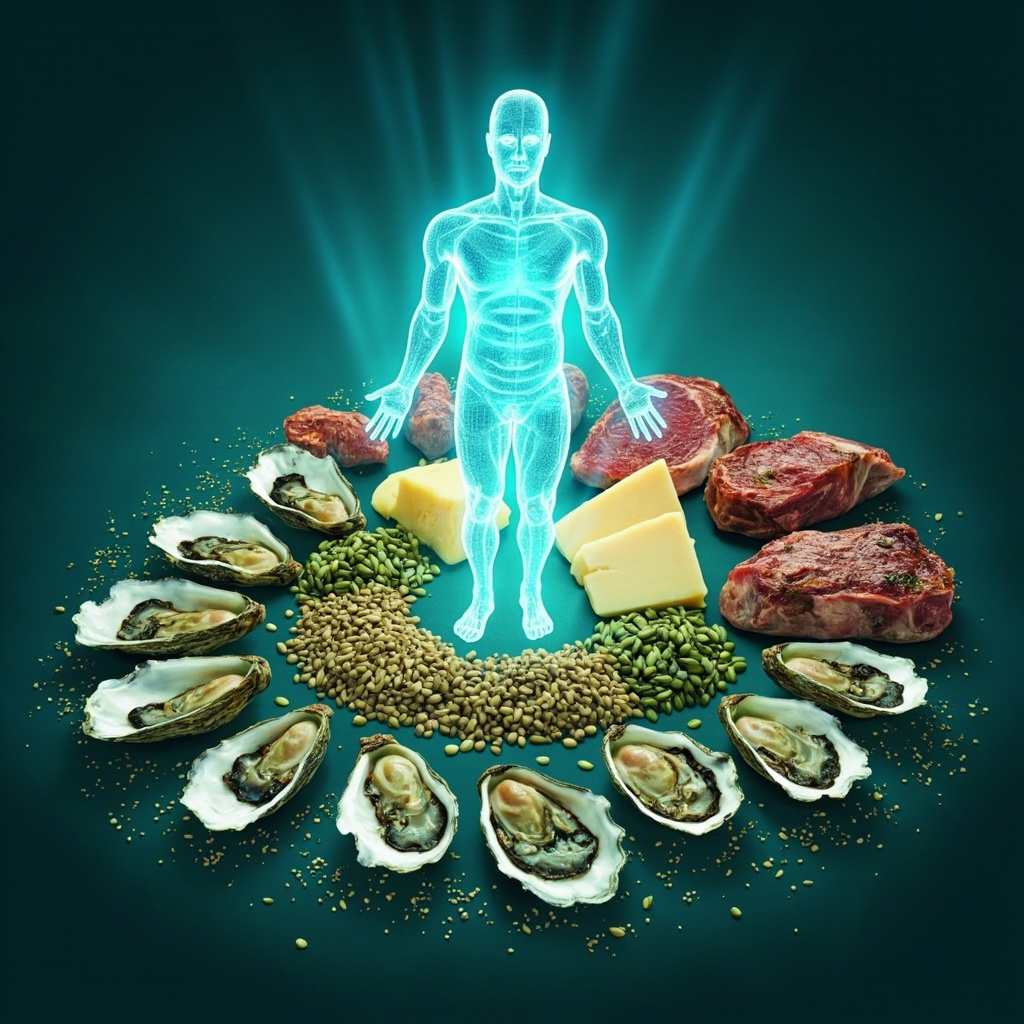
Zinc is a vital trace mineral your body needs but cannot make on its own. It works in every cell, helping over 300 enzymes do their jobs. Found mainly in muscles, bones, brain, kidneys, and liver, zinc supports key processes like building proteins, copying DNA, healing wounds, and fighting infections.
As a resource, zinc strengthens organs and systems. It boosts immune function to ward off illness, aids protein synthesis for muscle repair, speeds wound healing, and fuels DNA synthesis for healthy cells. This makes it essential for energy, recovery, and overall well-being.
In BioCoherence, zinc appears as a biomarker from electrical activity scans. Explore zinc in the glossary. Balanced zinc levels link to better metabolism, less inflammation, and smoother digestion-areas I focus on as a nutritionist.
Key Health Benefits
- Immune Support: Zinc helps immune cells grow and fight viruses and bacteria. Studies show it shortens colds and reduces diarrhea in children.
- Wound Healing: It promotes skin repair and collagen production, vital for cuts, burns, or post-surgery recovery.
- Growth and Development: Needed for hormone production like insulin and testosterone, supporting bone health, fertility, and child growth.
- Taste and Smell: Keeps senses sharp; low levels dull them.
- Gut and Stress: Aids digestion enzymes and counters stress effects on nutrient absorption.
Recent research highlights zinc's role in reducing infection risks and supporting metabolic health, especially in those with poor diets.
Top Food Sources
Animal foods offer the most absorbable zinc. Plant sources are good but less bioavailable due to compounds like phytates.
| Food | Serving | Zinc (mg) |
|---|---|---|
| Oysters (Eastern, raw) | 3 oz | 32 |
| Beef (sirloin, roasted) | 3 oz | 3.8 |
| Crab (blue, cooked) | 3 oz | 3.2 |
| Fortified cereal | 1 serving | 2.8 |
| Pumpkin seeds (roasted) | 1 oz | 2.2 |
| Pork (loin) | 3 oz | 1.9 |
| Cheddar cheese | 1.5 oz | 1.5 |
| Lentils (boiled) | 1/2 cup | 1.3 |
| Greek yogurt | 6 oz | 1.0 |
| Peanuts (roasted) | 1 oz | 0.8 |
Aim for oysters weekly, but beef, seeds, and dairy daily.
How Much Do You Need?
Recommended daily amounts vary:
| Age Group | Men (mg) | Women (mg) |
|---|---|---|
| Adults 19+ | 11 | 8 |
| Pregnant | 11 | 11 |
| Lactating | 12 | 12 |
Upper limit: 40 mg/day for adults to avoid issues.
Signs of Low Zinc
Deficiency hits growth, immunity, and skin first:
- Slow-healing wounds
- Frequent infections or colds
- Hair loss, skin rashes
- Loss of taste/smell
- Diarrhea, poor appetite
- Fatigue, low mood
At risk: vegetarians, pregnant people, those with gut issues like IBS, or high stress. Alcohol reduces absorption too.
Risks of Too Much
Over 40 mg/day long-term causes nausea, vomiting, headaches, and copper deficiency (leading to anemia). High-dose lozenges help colds short-term but watch totals.
Practical Nutrition Tips
- Pair zinc foods with protein for better uptake.
- Soak legumes/seeds to cut phytates.
- Vegetarians: choose fortified foods, supplement if tested low.
- Track with biomarkers for gut health, inflammation.
Balance zinc through diet for sustained vitality. It ties into microbiome health and stress resilience-core to my nutrition approach. Small changes yield big energy gains.
- 1. pmc.ncbi.nlm.nih.gov
- 2. drrobart.com
- 3. wwwn.cdc.gov
- 4. healthline.com
- 5. frontiersin.org
- 6. ods.od.nih.gov
- 7. pmc.ncbi.nlm.nih.gov
- 8. health.harvard.edu
- 9. sciencedirect.com
- 10. healthdirect.gov.au
- 11. goodrx.com
- 12. ubiehealth.com
- 13. vinmec.com
- 14. webmd.com
- 15. nal.usda.gov
- 16. ods.od.nih.gov
- 17. lpi.oregonstate.edu
- 18. pmc.ncbi.nlm.nih.gov
- 19. reporter.nih.gov
- 20. ncbi.nlm.nih.gov
- 21. medicalnewstoday.com
- 22. pmc.ncbi.nlm.nih.gov
- 23. sciencedirect.com
- 24. pubmed.ncbi.nlm.nih.gov
- 25. pmc.ncbi.nlm.nih.gov
- 26. healthdirect.gov.au
- 27. healthline.com
- 28. pmc.ncbi.nlm.nih.gov
- 29. healio.com
- 30. pmc.ncbi.nlm.nih.gov
- 31. ada.com
- 32. naturemade.com
- 33. health.com
- 34. advances.nutrition.org
Related posts
Glossary
- Energy and mind Structures > zinc
- Energy and mind Structures > copper
- Energy and mind Structures > Focused Coherence; Focus
- Energy and mind Structures > Immunity
- Body zones > hair
- Body zones > bones
- Body zones > kidneys
- Body zones > muscles
- Body zones > senses
- Energy and mind Structures > Organs
- TCM Recipes > Skin Health: Remedies for Acne and Eczema
- TCM Recipes > Liver Health: A TCM Recipe for Balance and Calm
- TCM Recipes > Brain Boost: Clear Fog, Improve Focus & Memory
- TCM Recipes > Boost Your Energy: A TCM Recipe for Fatigue Relief
- Energy and mind Structures > vitality
- Energy and mind Structures > Digestion
- Energy and mind Structures > Stress
- Stimuli > IGF1, Growth
- Stimuli > Testosterone
- Stimuli > Insulin
- Stimuli > AIDS
- Stimuli > Burns
- Binaural beats > Inflammation Relief: Heal Faster with Binaural Beats
- Stimuli > Zinc
- Stimuli > Bone
- Stimuli > GAPDH, Metabolism
see also...
- Energy and mind Structures > HRV
- Energy and mind Structures > Body zones > senses
- Energy and mind Structures > TCM Recipes > Tension Headache Relief: A Natural Approach to Ease Stress
- Testimonials > 61% Drop in Nausea and 58% in Headaches from Sound Therapy
- Binaural beats > Stimuli > Chakra Throat
- Binaural beats > Desensitizer: Boost Your Energy and Focus Effectively