


Pancreas Head: Nutrition for Digestion Balance
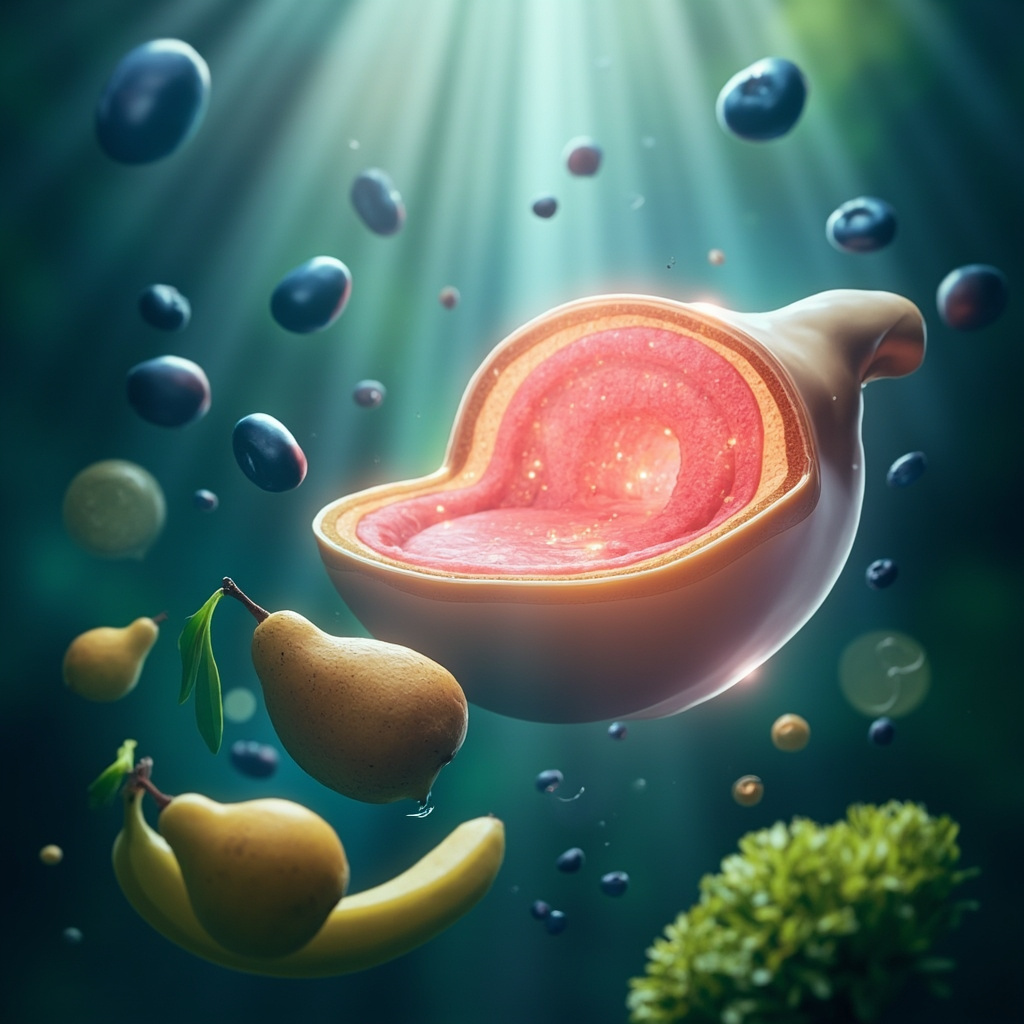
Understanding the Pancreas Head
The pancreas head sits on the right side of your abdomen, tucked into the curve of the duodenum, the first part of your small intestine. Learn more in the glossary. This small but vital area produces digestive enzymes to break down food and hormones like insulin to manage blood sugar levels. When it works well, you digest meals smoothly and maintain steady energy. Issues here can lead to poor nutrient absorption, blood sugar swings, or inflammation like pancreatitis.
Key Functions in Digestion and Energy
Physically, the pancreas head releases enzymes that help break down proteins, fats, and carbohydrates in your food. This ensures your body gets the nutrients it needs. It also secretes insulin, which lets cells take in glucose for energy, preventing spikes or crashes that cause fatigue or hunger.
Healthy pancreas head function supports overall gut health and metabolism. Poor function might show up as bloating, irregular blood sugar, or low energy after meals.
Emotional Ties to Life Processing
Beyond the physical, the pancreas head connects to how you process emotions and life events. It relates to feelings around family, home, and personal territory. Struggles here might reflect unresolved conflicts, a sense of powerlessness, or trouble digesting changes in your environment. Supporting it nutritionally can promote emotional balance, helping you feel more in control and at peace.
Foods That Nourish the Pancreas Head
Smart nutrition eases the workload on your pancreas head, reduces inflammation, and boosts enzyme production. Focus on low-fat, high-protein options with antioxidants. Here are top choices based on expert advice:
- Leafy greens like spinach and kale: Rich in vitamins and antioxidants to fight inflammation and support detox.
- Berries such as blueberries and cherries: Packed with compounds that protect pancreatic cells.
- Garlic and broccoli: Contain sulfur compounds and flavonoids that promote healthy tissue and lower risks.
- Lean proteins: Chicken, fish, beans, and lentils provide building blocks without excess fat.
- Whole grains like oatmeal and quinoa: Steady energy release without blood sugar spikes.
- Low-fat dairy or alternatives: Yogurt with probiotics aids gut balance linked to pancreas health.
- Sweet potatoes and red grapes: Lower glycemic index for stable blood sugar.
Aim for 5-6 small meals daily. This gives your pancreas head a rest, improving digestion efficiency.
Foods to Limit or Avoid
High-fat and processed foods strain the pancreas head, worsening inflammation or enzyme shortages:
- Fried foods, fatty meats, and full-fat dairy.
- Red meat and organ meats.
- Sugary drinks, pastries, and chips.
- Alcohol, which directly harms pancreatic tissue.
Cutting these reduces stress on digestion and supports better micronutrient absorption.
Nutrition for Balance and Resilience
Your diet influences biomarkers like enzyme activity, blood sugar control, and inflammation markers. Foods rich in vitamins A, D, E, K, and minerals like zinc help. For example:
- Probiotic yogurt improves gut microbiome, easing pancreas workload.
- Mushrooms provide selenium for antioxidant protection.
Stay hydrated and consider a multivitamin if absorption is low. Track how meals affect your energy and mood – steady choices build resilience.
The Pancreas Head as a Resource
A balanced pancreas head acts as a helper organ. It stabilizes blood sugar for sustained vitality, supplies enzymes for nutrient uptake, and aids emotional processing. By choosing nourishing foods, you enhance these roles, fostering hormonal balance and stress relief.
Incorporate these tips daily for clearer digestion, even energy, and emotional ease. Small changes yield big results in metabolic health.
- 1. connect.mayoclinic.org
- 2. pancreasfoundation.org
- 3. singaramgastro.com
- 4. pmc.ncbi.nlm.nih.gov
- 5. mayoclinic.org
- 6. organscigroup.us
- 7. yourhealthmagazine.net
- 8. uncledibbz.com
- 9. aspenjournals.onlinelibrary.wiley.com
- 10. connect.mayoclinic.org
- 11. gastro.theclinics.com
- 12. dietitiansondemand.com
- 13. healthline.com
- 14. hopkinsmedicine.org
- 15. pmc.ncbi.nlm.nih.gov
- 16. pancan.org
- 17. sciencedirect.com
- 18. espen.org
- 19. columbiasurgery.org
- 20. columbiasurgery.org
- 21. health.clevelandclinic.org
- 22. mdpi.com
- 23. pmc.ncbi.nlm.nih.gov
- 24. mission-cure.org
- 25. med.virginia.edu
- 26. connect.mayoclinic.org
- 27. myhealth.alberta.ca
- 28. healthline.com
- 29. connect.mayoclinic.org
- 30. connect.mayoclinic.org
- 31. sarahlynnnutrition.com
- 32. connect.mayoclinic.org
- 33. medicalnewstoday.com
- 34. connect.mayoclinic.org
- 35. connect.mayoclinic.org
Related posts
Glossary
- Energy and mind Structures > selenium
- Energy and mind Structures > sulfur
- Energy and mind Structures > Focused Coherence; Focus
- Energy and mind Structures > Peace
- Body zones > head
- Body zones > hormones
- Body zones > head
- TCM Recipes > Emotional Balance: A TCM Guide to Calm Anxiety & Insomnia
- TCM Recipes > Pancreas Health: Improve Digestion and Blood Sugar Balance
- TCM Recipes > Digestive Relief: A Simple Guide to Ease Bloating & Indigestion
- TCM Recipes > Pancreatitis Relief: Natural Remedies for Pain and Nausea
- TCM Recipes > Boost Your Energy: A TCM Recipe for Fatigue Relief
- Energy and mind Structures > vitality
- Energy and mind Structures > Digestion
- Stimuli > Insulin
- Stimuli > AIDS
- Binaural beats > Inflammation Relief: Heal Faster with Binaural Beats
- Stimuli > Zinc
- Stimuli > Lead
- Stimuli > Blood
- Stimuli > SOD1, Antioxidant
see also...
- Energy and mind Structures > Digestion
- Energy and mind Structures > Body zones > head
- Energy and mind Structures > TCM Recipes > Tension Headache Relief: A Natural Approach to Ease Stress
- Binaural beats > Stimuli > SOD1, Antioxidant
- Binaural beats > Desensitizer: Boost Your Energy and Focus Effectively
- Testimonials > 61% Drop in Nausea and 58% in Headaches from Sound Therapy