


Colon: Nutrition for Release and Balance
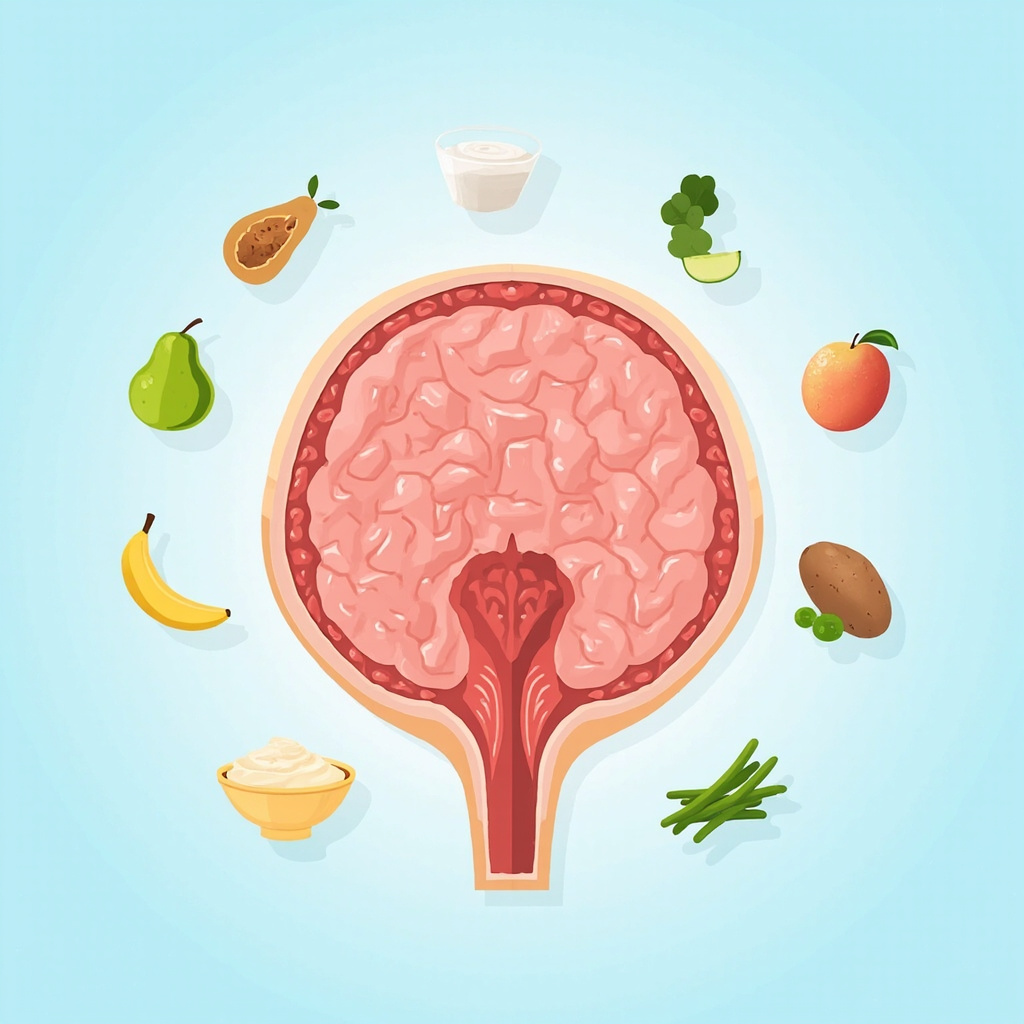
The Colon's Vital Role
The colon, part of your large intestine in the lower abdomen, handles the final stages of digestion. It absorbs water and salts from undigested food, turning it into stool for elimination. When working well, it keeps you hydrated and clears out waste smoothly. Issues here can lead to constipation, dehydration, or problems like irritable bowel syndrome (IBS) and inflammatory bowel disease (IBD). For more details, see the Colon glossary.
Physical Functions at a Glance
- Water absorption: Prevents dehydration by pulling moisture from waste.
- Stool formation: Compacts remnants into stool for regular bowel movements.
- Electrolyte balance: Maintains salts like sodium and potassium for body harmony.
Poor function often stems from low fiber intake, dehydration, or stress, leading to hard stools or bloating.
Emotional Connections to the Colon
Beyond the physical, the colon links to feelings of letting go, control, and fear of loss. Holding onto past hurts or fearing change can show up as gut tension. The gut-brain axis means stress triggers cramps or irregular bowels, while emotional blocks slow elimination. Research shows anxiety worsens GI symptoms, creating a cycle. Supporting the colon nutritionally can aid both body and mind release.
Common Signs of Colon Imbalance
Watch for:
- Constipation or infrequent stools.
- Bloating, gas, or abdominal discomfort.
- Fatigue from toxin buildup.
- Irregular bowel habits tied to stress.
These signal a need for dietary tweaks, especially if biomarkers show inflammation or poor microbiome balance.
Key Nutrients for Colon Health
Nutrition optimizes colon function by feeding its microbiome and easing passage. Focus on these:
High-Fiber Foods
Fiber adds bulk, softens stool, and feeds good bacteria. Aim for 25-35 grams daily, increasing slowly to avoid gas.
- Vegetables: Broccoli, carrots, leafy greens.
- Fruits: Apples (with skin), berries, prunes.
- Whole grains: Oats, brown rice.
- Legumes: Lentils, chickpeas.
Prunes and prune juice stand out due to sorbitol, a natural laxative reaching the colon intact.
Probiotic-Rich Choices
These boost gut bacteria for better digestion and immunity.
- Yogurt with live cultures.
- Kefir, kimchi, sauerkraut.
- Miso or kombucha.
Hydration Heroes
Water is essential; the colon pulls it from stool if short.
- Drink half your body weight in ounces daily.
- Water-rich foods: Cucumbers, watermelon, oranges.
Healthy Fats and Proteins
- Omega-3s from avocados, nuts, flaxseeds reduce inflammation.
- Lean options: Fish, poultry, beans over red meat.
Avoid processed foods, excess sugar, and fried items that irritate the lining.
The Colon as a Body Resource
A balanced colon regulates hydration, clears toxins, and supports emotional ease. It aids other organs by preventing waste buildup, promoting energy, and fostering release of stress-held tensions.
Practical Tips from a Nutritionist
- Personalize with biomarkers: Check gut markers for fiber needs, microbiome shifts, or inflammation. Tailor plans for metabolism or stress impacts.
- Start slow: Add 2-3 grams fiber daily; pair with water.
- Meal ideas:
- Breakfast: Oatmeal with berries and yogurt.
- Lunch: Lentil salad with veggies and olive oil.
- Snack: Apple with almonds.
- Dinner: Grilled fish, brown rice, broccoli.
- Lifestyle boost: Walk after meals, manage stress with deep breaths.
Consistent nutrition turns colon challenges into strengths, enhancing vitality and calm. Small changes yield big results.
- 1. nature.com
- 2. ctcd.edu
- 3. gastroenterologyofwestchesterllc.com
- 4. gutmicrobiotaforhealth.com
- 5. norcen.org
- 6. nuvancehealth.org
- 7. dsm-firmenich.com
- 8. franciscanhealth.org
- 9. cincinnati-gi.com
- 10. nyulangone.org
- 11. nhs.uk
- 12. hopkinsmedicine.org
- 13. med.virginia.edu
- 14. ddw.digitellinc.com
- 15. nature.com
- 16. aacrjournals.org
- 17. pmc.ncbi.nlm.nih.gov
- 18. franciscanhealth.org
- 19. uniteddigestive.com
- 20. deconstructingstigma.org
- 21. chenaltherapy.com
- 22. colondigestive.com
- 23. sciencedirect.com
- 24. sciencedirect.com
- 25. frontiersin.org
- 26. renown.org
- 27. mucosalimmunology.org
- 28. pmc.ncbi.nlm.nih.gov
- 29. niddk.nih.gov
- 30. youtube.com
- 31. journals.sagepub.com
- 32. youtube.com
- 33. hopkinsmedicine.org
- 34. pubmed.ncbi.nlm.nih.gov
- 35. health.harvard.edu
- 36. webmd.com
- 37. pmc.ncbi.nlm.nih.gov
- 38. mdpi.com
- 39. health.clevelandclinic.org
Related posts
Glossary
- Energy and mind Structures > potassium
- Energy and mind Structures > sodium
- Energy and mind Structures > Focused Coherence; Focus
- Energy and mind Structures > Water
- Energy and mind Structures > Immunity
- Body zones > colon
- Energy and mind Structures > Organs
- TCM Recipes > Constipation Relief: Herbal Remedies for Digestive Comfort
- TCM Recipes > Irritable Bowel Syndrome: Relief for Digestive Discomfort
- TCM Recipes > Boost Your Energy: A TCM Recipe for Fatigue Relief
- Energy and mind Structures > vitality
- Energy and mind Structures > toxins
- Energy and mind Structures > Digestion
- Energy and mind Structures > Panchaka; Large intestine
- Energy and mind Structures > Stress
- Stimuli > AIDS
- Binaural beats > Inflammation Relief: Heal Faster with Binaural Beats
- Binaural beats > Bowel Harmony: Enhancing Digestive Health and Balance
- Stimuli > Lead
- Stimuli > Harmony
- Stimuli > GAPDH, Metabolism
see also...
- Energy and mind Structures > HRV
- Energy and mind Structures > Body zones > colon
- Energy and mind Structures > TCM Recipes > Tension Headache Relief: A Natural Approach to Ease Stress
- Testimonials > 61% Drop in Nausea and 58% in Headaches from Sound Therapy
- Binaural beats > Stimuli > Chakra Throat
- Binaural beats > Bowel Harmony: Enhancing Digestive Health and Balance