


Sacroiliac Joint: Nutrition for Stability
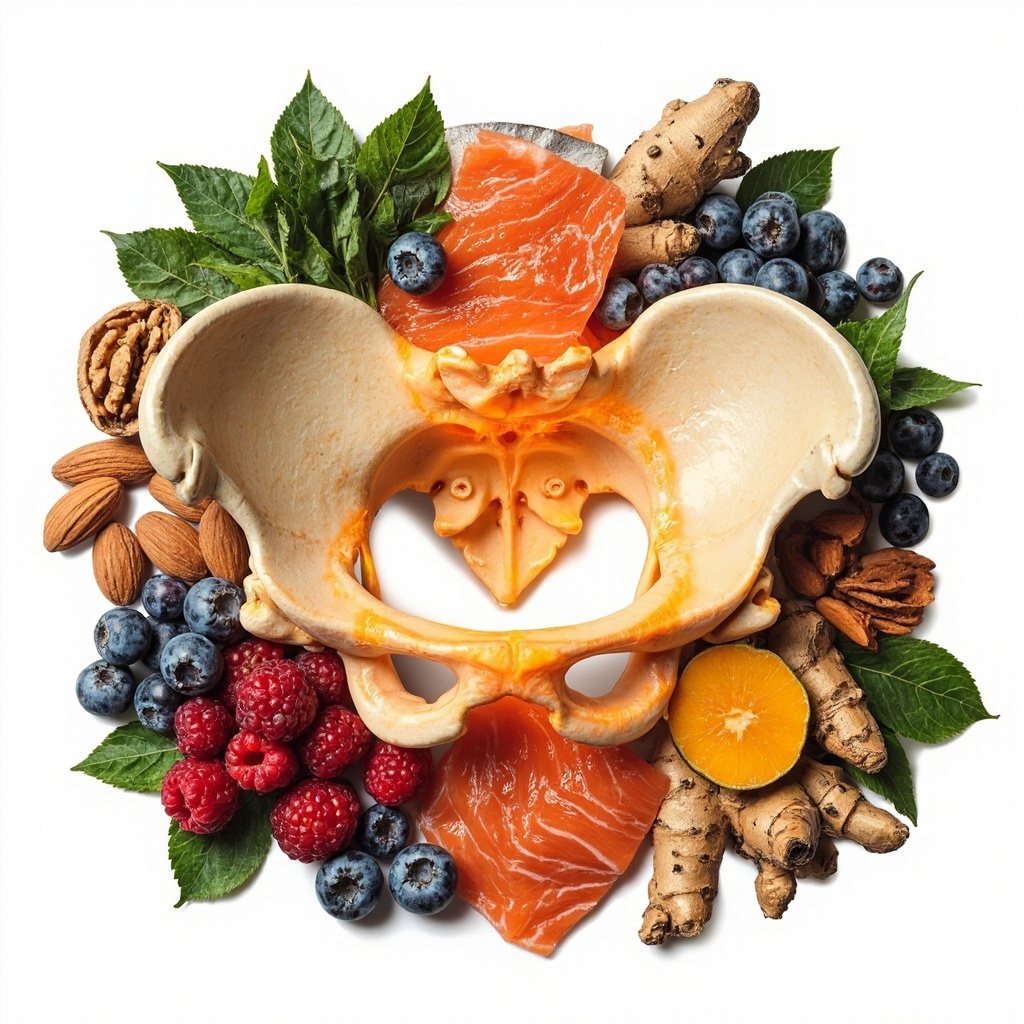
The sacroiliac joint, often called the SI joint, sits in your pelvis. It connects the sacrum at the base of your spine to the iliac bones of your pelvis. This joint acts like a shock absorber, transferring weight from your upper body to your legs. It keeps you stable when you walk, run, or stand. When it works well, you move with ease. Learn more in the glossary.
Signs of SI Joint Imbalance
Pain from this joint often feels like a deep ache in the lower back, buttocks, or even legs. It can worsen with prolonged sitting, standing, or climbing stairs. You might notice stiffness in the morning or trouble transitioning from sitting to standing. In BioCoherence scans, biomarkers reveal its energy levels, agitation, and connections to other body parts. Low energy might signal poor nutrient support, while high agitation points to inflammation.
These physical signs often link to broader health patterns. Inflammation markers, gut health indicators, and stress-related changes show up in biomarkers. For example, poor micronutrient balance can weaken joint tissues over time.
Emotional Ties to the SI Joint
This joint reflects feelings of stability and groundedness. Imbalances may stem from emotional challenges like insecurity, lack of support, or fear of change. Stress from life pressures can tighten muscles around the joint, reducing its natural movement. It is like your body mirroring a sense of unsteadiness in daily life.
When healthy, the SI joint serves as a resource for other areas. It provides foundational support, aids energy flow, and promotes emotional calm. Addressing it nutritionally can help the whole body adapt better.
How Nutrition Supports the SI Joint
Diet plays a key role in joint health. Anti-inflammatory foods reduce swelling and pain. Biomarkers for omega-3 levels, vitamin D, and antioxidants guide personalized choices. A focus on gut health matters too, as microbiome balance affects systemic inflammation.
Key nutrients include:
- Omega-3 fatty acids: Fight inflammation directly. Found in salmon, sardines, walnuts, and flaxseeds.
- Vitamin D and calcium: Build bone and joint strength. Get from fatty fish, leafy greens, and fortified dairy.
- Antioxidants: Protect tissues. Berries, cherries, and green tea are rich sources.
- Curcumin from turmeric and gingerol from ginger: Natural anti-inflammatories. Add to meals or teas.
Sample daily foods:
- Breakfast: Yogurt with berries and chia seeds.
- Lunch: Grilled salmon salad with spinach and olive oil.
- Snack: Handful of almonds.
- Dinner: Stir-fried broccoli, turmeric chicken, and quinoa.
Foods That Harm the SI Joint
Avoid items that spike inflammation:
- Processed sugars and refined carbs.
- Trans fats in fried foods.
- Excessive red meat and saturated fats.
These raise inflammatory biomarkers and strain digestion, indirectly weakening joints.
Stress, Gut, and Joint Links
Stress disrupts digestion and nutrient absorption. Biomarkers show how cortisol affects gut flora and metabolism. A imbalanced microbiome sends inflammatory signals to joints like the SI. Support your gut with fermented foods (yogurt, kefir) and fiber-rich veggies. This calms the body-wide response.
Practical Steps for Balance
- Track symptoms and diet for patterns.
- Aim for whole foods: half your plate vegetables.
- Stay hydrated to support joint lubrication.
- Combine nutrition with gentle movement, like walking.
Over time, these changes lower inflammation markers and boost energy. Your SI joint gains resilience, helping you feel more grounded physically and emotionally. Small, consistent choices lead to lasting stability.
- 1. youtube.com
- 2. alethahealth.com
- 3. oklahomapaindoc.com
- 4. alignforhealth.com
- 5. biotechhealthcare.com
- 6. centerforspineandortho.com
- 7. denverbackpainspecialists.com
- 8. barbourortho.com
- 9. precisionphysio.ca
- 10. youtube.com
- 11. vosct.com
- 12. youtube.com
- 13. advancedsportsandspine.com
- 14. spine-health.com
- 15. caryortho.com
- 16. unionleader.com
- 17. europe.medtronic.com
- 18. hartfordhospital.org
- 19. nortexspineandjoint.com
- 20. orlandoortho.com
- 21. youtube.com
- 22. youtube.com
- 23. arthritis.org
- 24. massgeneralbrigham.org
- 25. aapc.com
- 26. floridaspinecare.com
- 27. facebook.com
- 28. knoxnews.com
- 29. prnewswire.com
- 30. asra.com
- 31. osistl.com
- 32. facebook.com
- 33. nysora.com
- 34. adrspine.com
- 35. anssiwellness.com
- 36. metrowestdailynews.com
- 37. medicine.utah.edu
- 38. pmc.ncbi.nlm.nih.gov
- 39. goodrx.com
- 40. mychirosolutions.com
- 41. brownhealth.org
- 42. health.clevelandclinic.org
- 43. guidelines.carelonmedicalbenefitsmanagement.com
- 44. midsouthpain.com
Related posts
Glossary
- Energy and mind Structures > Focused Coherence; Focus
- Body zones > bones
- Body zones > joints
- Body zones > sacroiliac joint
- Body zones > muscles
- Body zones > tissues
- TCM Recipes > Boost Energy: A Simple Remedy for Low Energy and Fatigue
- Energy and mind Structures > movement
- Energy and mind Structures > Digestion
- Energy and mind Structures > Stress
- Stimuli > Cortisol
- Stimuli > AIDS
- Stimuli > Pain
- Stimuli > Shock
- Binaural beats > Inflammation Relief: Heal Faster with Binaural Beats
- Stimuli > Bone
- Stimuli > Lead
- Stimuli > GAPDH, Metabolism
see also...
- Energy and mind Structures > HRV
- Energy and mind Structures > Body zones > bones
- Energy and mind Structures > TCM Recipes > Boost Energy: A Simple Remedy for Low Energy and Fatigue
- Testimonials > 61% Drop in Nausea and 58% in Headaches from Sound Therapy
- Binaural beats > Stimuli > Chakra Throat
- Binaural beats > Desensitizer: Boost Your Energy and Focus Effectively