


HGH: Nutrition for Growth and Vitality
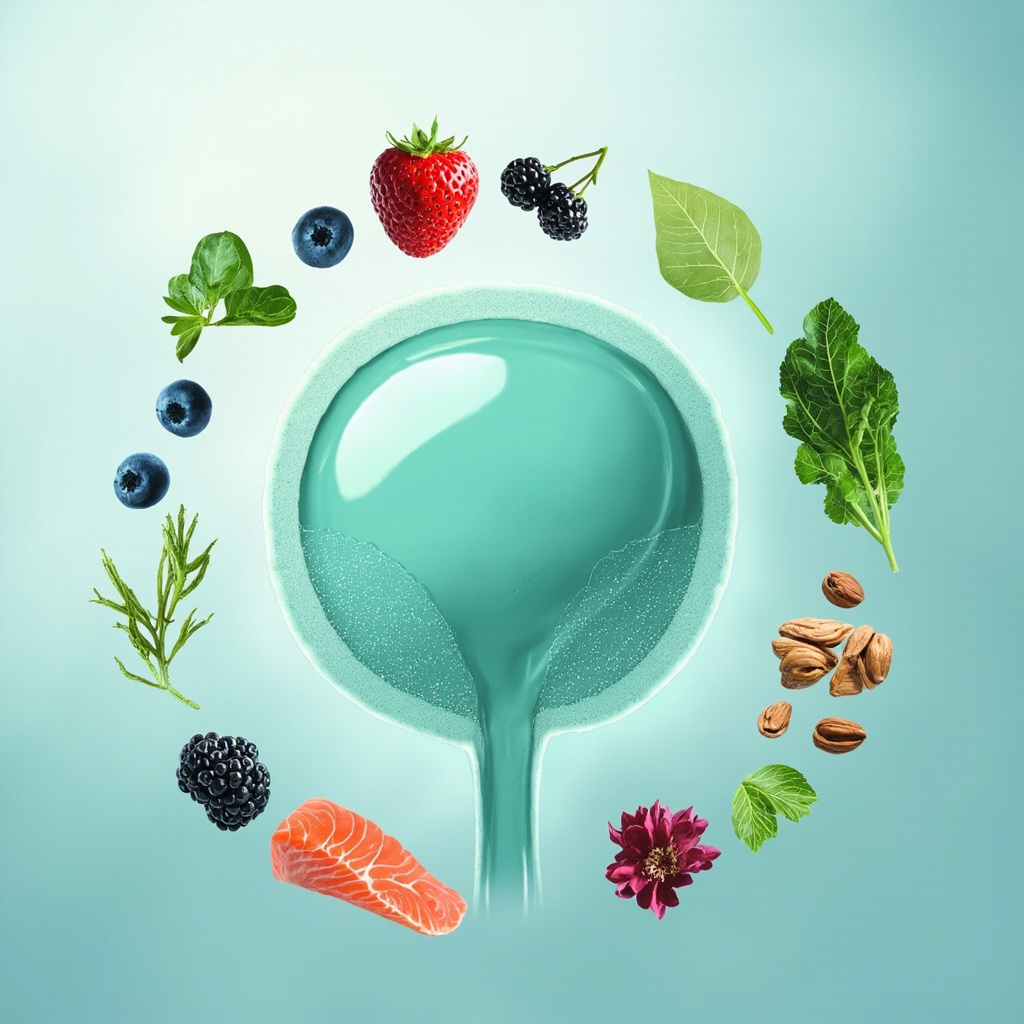
What is HGH?
Human Growth Hormone (HGH) comes from a small gland at the base of your brain called the pituitary. It helps your body grow, repair cells, and keep energy flowing. Think of it as a signal that tells muscles to build, bones to strengthen, and metabolism to run smoothly.
In everyday life, balanced HGH keeps you feeling strong and vibrant. It aids in healing after workouts and supports steady weight management.
Key Roles in Your Body
HGH does several important jobs:
- Growth and repair: It boosts cell regeneration, helping skin stay firm and wounds heal faster.
- Muscle and bone health: Stronger muscles and denser bones mean better movement and fewer injuries.
- Metabolism boost: It helps turn food into energy, keeping blood sugar stable and fat in check.
- Overall vitality: Good levels mean more pep throughout the day.
When levels dip, you might notice slower recovery, fatigue, or unwanted weight gain around the middle.
Emotional Ties to HGH
HGH imbalances often link to feelings of inadequacy or stagnation. Stress from self-doubt or fear of not measuring up can disrupt production. On the flip side, when HGH flows well, it supports confidence and progress, like a gentle push toward personal goals.
Nurturing HGH through diet can ease these emotional hurdles, fostering a sense of growth in life and body alike.
Signs of HGH Imbalance
Low HGH might show as:
Too much can lead to joint aches or swelling. Spotting these early lets you adjust with food choices.
Nutrition to Support HGH
Your plate holds power to balance HGH. Focus on whole foods that provide building blocks without spiking sugar.
Cut Back on Sugars
High sugar raises insulin, which blocks HGH. Skip sodas, candies, and refined carbs. Choose fruits in moderation for natural sweetness.
Load Up on Proteins
Proteins supply amino acids like arginine and lysine, key for HGH release.
Recommended foods:
- Lean chicken or turkey
- Fish like salmon
- Eggs
- Nuts and seeds (almonds, pumpkin seeds)
- Greek yogurt or cottage cheese
Aim for 20-30 grams per meal to fuel repair.
Healthy Fats Matter
Fats from avocados, olive oil, and fatty fish support hormone production. Coconut oil may give a quick HGH nudge.
Key Amino Acids
- Arginine: Found in nuts, seeds, and meat. It sparks HGH, especially before bed.
- Ornithine: In fish, eggs, soybeans. Pairs well post-exercise.
- Glutamine: From spinach, cabbage, or bone broth. Aids gut health, which ties to hormone balance.
Meal Timing Tips
- Eat a protein-rich snack 2 hours before bed to avoid insulin interference.
- Try intermittent fasting, like 12-16 hours overnight, to spike HGH naturally.
- Pair with good sleep: HGH peaks during deep rest.
Sample Daily Plan
Breakfast: Eggs with spinach and avocado. Lunch: Grilled chicken salad with nuts and olive oil dressing. Snack: Greek yogurt with berries. Dinner: Salmon, quinoa, and broccoli. Evening: Herbal tea, no late carbs.
This keeps energy steady and HGH supported.
Gut and Stress Links
A healthy gut microbiome helps hormone signals. Fermented foods like kefir or sauerkraut reduce inflammation that hampers HGH.
Stress eats nutrients needed for balance. Add magnesium-rich foods (leafy greens, nuts) to calm nerves and aid digestion.
Long-Term Benefits
Consistent nutrition builds resilience. Over time, expect better energy, sharper focus, and emotional steadiness. Track how you feel and tweak as needed.
Small changes in eating yield big shifts in growth and well-being. Your body thanks you with renewed strength.
- 1. mayoclinic.org
- 2. maleantiaginginstitute.com
- 3. rainbowacresca.com
- 4. medicalnewstoday.com
- 5. denverhormonehealth.com
- 6. womenshealthpractice.com
- 7. crisistextline.org
- 8. qualitycarechiro.com
- 9. pmc.ncbi.nlm.nih.gov
- 10. news-medical.net
- 11. youtube.com
- 12. pmc.ncbi.nlm.nih.gov
- 13. sciencedirect.com
- 14. health.harvard.edu
- 15. dfwantiagingwellness.com
- 16. pmc.ncbi.nlm.nih.gov
- 17. pmc.ncbi.nlm.nih.gov
- 18. healthline.com
- 19. familymedicineaustin.com
- 20. int.livhospital.com
- 21. webmd.com
- 22. denzournutrition.com
- 23. pmc.ncbi.nlm.nih.gov
- 24. wellnessatthespa.com
- 25. yourgreekdietitian.com
- 26. pmc.ncbi.nlm.nih.gov
- 27. kitchenonthestreet.org
- 28. mnclinicforhealth.com
- 29. foodforthebrain.org
- 30. pmc.ncbi.nlm.nih.gov
- 31. pmc.ncbi.nlm.nih.gov
Related posts
Glossary
- Energy and mind Structures > Focused Coherence; Focus
- Energy and mind Structures > Confidence
- Body zones > bones
- Body zones > hgh
- Body zones > muscles
- Body zones > nerves
- TCM Recipes > Skin Health: Remedies for Acne and Eczema
- TCM Recipes > Brain Boost: Clear Fog, Improve Focus & Memory
- TCM Recipes > Boost Your Energy: A TCM Recipe for Fatigue Relief
- Energy and mind Structures > sleep
- Energy and mind Structures > movement
- Energy and mind Structures > Digestion
- Energy and mind Structures > Stress
- Stimuli > IGF1, Growth
- Stimuli > Insulin
- Stimuli > AIDS
- Binaural beats > Inflammation Relief: Heal Faster with Binaural Beats
- Stimuli > Bone
- Stimuli > Lead
- Stimuli > Blood
- Stimuli > GAPDH, Metabolism
see also...
- Energy and mind Structures > HRV
- Energy and mind Structures > Body zones > plasma
- Energy and mind Structures > TCM Recipes > Tension Headache Relief: A Natural Approach to Ease Stress
- Binaural beats > Stimuli > Chakra Throat
- Binaural beats > Desensitizer: Boost Your Energy and Focus Effectively
- Testimonials > 61% Drop in Nausea and 58% in Headaches from Sound Therapy