


Medial Pituitary: Nutrition for Hormonal Balance
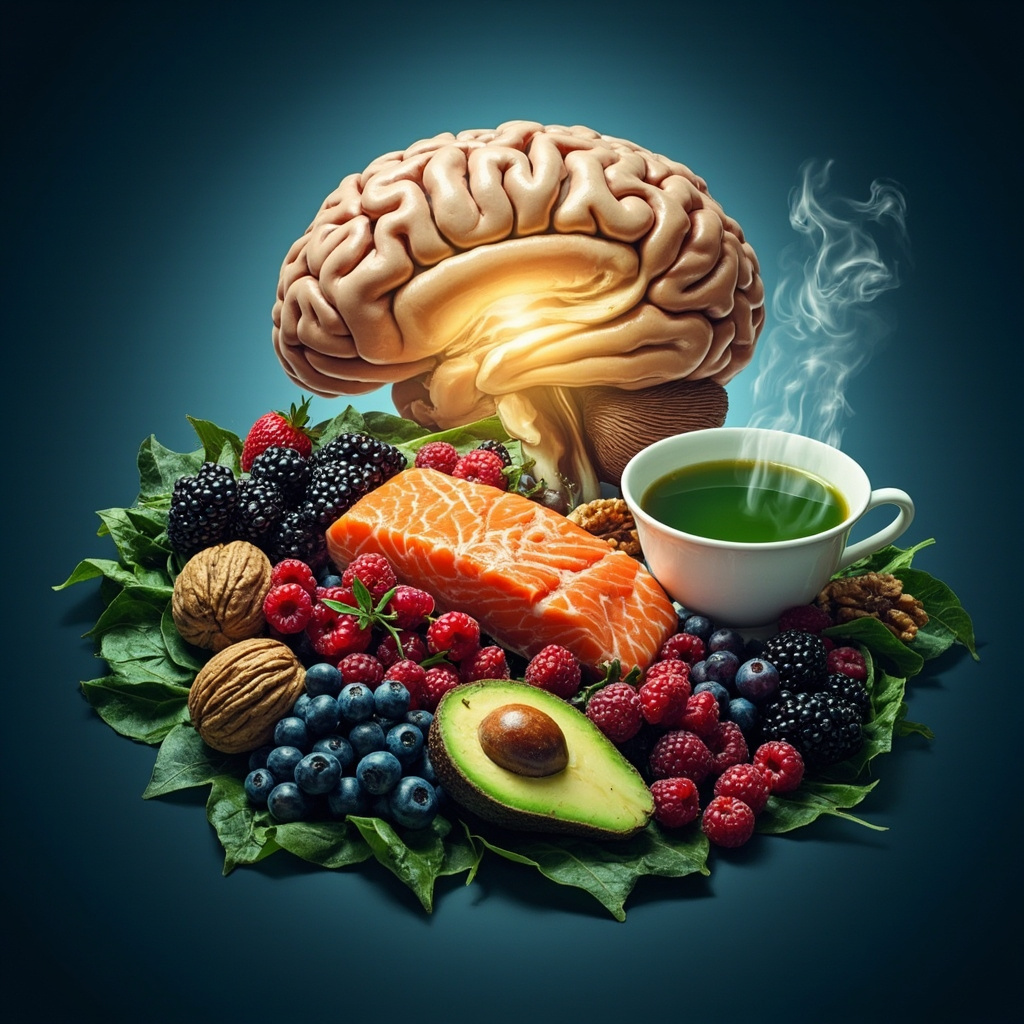
The Medial Pituitary: Your Body's Hormonal Conductor
The medial part of the pituitary gland rests centrally at the base of the brain, within a bony pocket called the sella turcica. This small but powerful structure acts as a master regulator, releasing hormones that influence growth, metabolism, and reproductive health. When balanced, it sends clear signals to keep your energy steady, support tissue repair, and maintain reproductive functions. For more details, see our glossary entry.
Signs of Imbalance and Emotional Ties
If the medial pituitary falters, you might notice irregular growth patterns, sluggish metabolism, thyroid issues, or challenges with fertility. These physical symptoms often link to deeper emotional patterns. This area connects to feelings of control over your body's development. A sense of powerlessness, overwhelming duties, or lack of personal agency can disrupt its harmony, leading to hormonal ripples across the body.
Stress amplifies this: chronic pressure raises cortisol, straining the entire hormonal network. Nutrition steps in here, providing building blocks to restore calm and function.
Essential Nutrients for Medial Pituitary Health
Targeted nutrition supports this gland by reducing inflammation, combating oxidative stress, and fueling hormone production. Focus on these key players:
Omega-3 Fatty Acids
These healthy fats, found in fatty fish like salmon, mackerel, flaxseeds, and walnuts, regulate the stress response axis linking brain and adrenals. They help control cortisol levels and ease inflammation, promoting steady hormone output.
Polyphenols
Antioxidant compounds in berries (blueberries, strawberries), green tea, dark chocolate, and colorful vegetables shield brain cells from damage. They lower hypothalamic inflammation, indirectly benefiting pituitary signals.
Vitamins B, C, and E
B vitamins (from whole grains, eggs, leafy greens) aid energy and nerve health. Vitamin C (citrus, bell peppers) and E (nuts, seeds) act as antioxidants, protecting endocrine cells and supporting adrenal-pituitary communication.
Minerals: Selenium, Manganese, Magnesium
- Selenium (Brazil nuts, tuna, eggs): Powers proteins that balance thyroid hormones and leptin for appetite control.
- Manganese (nuts, spinach, legumes): Essential for growth hormone pathways and reproductive balance.
- Magnesium (avocados, pumpkin seeds, dark chocolate): Calms the stress axis, easing pituitary burden.
Practical Foods and Meal Ideas
Incorporate these into daily eating for steady support:
- Breakfast: Oatmeal topped with berries, flaxseeds, and a handful of walnuts.
- Lunch: Grilled salmon salad with spinach, bell peppers, and avocado dressing.
- Snack: Greek yogurt with blueberries and pumpkin seeds.
- Dinner: Stir-fried tofu or chicken with broccoli, quinoa, and a side of Brazil nuts.
Aim for whole, unprocessed foods. A Mediterranean-style diet-rich in fish, veggies, nuts, and olive oil-aligns perfectly, providing broad nutrient coverage while limiting sugars and saturated fats that inflame the brain.
Nutrition Meets Emotions and Overall Wellness
Food choices influence more than the body; they nurture emotional resilience. Omega-3s and magnesium foster calm, countering feelings of overwhelm. When the medial pituitary thrives, it stabilizes mood and vitality, helping you feel in command of your growth journey.
As a resource, this gland aids other body areas by fine-tuning hormones for metabolism and repair. It enhances emotional steadiness, supporting digestion under stress or energy during recovery.
Simple Steps to Start
- Track intake: Prioritize 2-3 servings of fatty fish weekly, daily berries, and nuts.
- Hydrate and rest: Water and sleep amplify nutrient effects.
- Consult pros: Pair diet with check-ins for personalized tweaks.
Consistent nutrition rebuilds balance, empowering your medial pituitary to orchestrate health from within. Small changes yield lasting harmony.
- 1. pmc.ncbi.nlm.nih.gov
- 2. wapo.org
- 3. frontiersin.org
- 4. amazon.com
- 5. pituitary.org
- 6. vitalhealthcda.com
- 7. pituitary.asn.au
- 8. healthians.com
- 9. healthline.com
- 10. healthline.com
- 11. journalbonefragility.com
- 12. pmc.ncbi.nlm.nih.gov
- 13. mdanderson.org
- 14. nhc.com
- 15. pacificneuroscienceinstitute.org
- 16. umzu.com
- 17. news-medical.net
- 18. pmc.ncbi.nlm.nih.gov
- 19. pituitary.org.uk
- 20. ifm.org
- 21. embracingnutrition.co.uk
- 22. medicalnewstoday.com
- 23. sciencedirect.com
- 24. priorityonevitamins.com
- 25. familymedicineaustin.com
- 26. massivebio.com
Related posts
Glossary
- Energy and mind Structures > magnesium
- Energy and mind Structures > manganese
- Energy and mind Structures > selenium
- Energy and mind Structures > Focused Coherence; Focus
- Energy and mind Structures > Structure
- Energy and mind Structures > Communication
- Energy and mind Structures > Water
- Body zones > medial
- Body zones > hormonal
- Body zones > hormones
- TCM Recipes > Thyroid Support: Natural Remedies for Fatigue & Weight
- TCM Recipes > Brain Boost: Clear Fog, Improve Focus & Memory
- Energy and mind Structures > sleep
- Energy and mind Structures > vitality
- Energy and mind Structures > Digestion
- Energy and mind Structures > Stress
- Stimuli > IGF1, Growth
- Stimuli > SHH, Development
- Stimuli > Cortisol
- Stimuli > AIDS
- Binaural beats > Inflammation Relief: Heal Faster with Binaural Beats
- Stimuli > Reproductive
- Stimuli > Harmony
- Stimuli > GAPDH, Metabolism
see also...
- Energy and mind Structures > HRV
- Energy and mind Structures > Body zones > skull
- Energy and mind Structures > TCM Recipes > Boost Energy: A Simple Remedy for Low Energy and Fatigue
- Testimonials > 61% Drop in Nausea and 58% in Headaches from Sound Therapy
- Binaural beats > Stimuli > Chakra Throat
- Binaural beats > Desensitizer: Boost Your Energy and Focus Effectively