


Anterior Pituitary: Fueling Growth and Balance
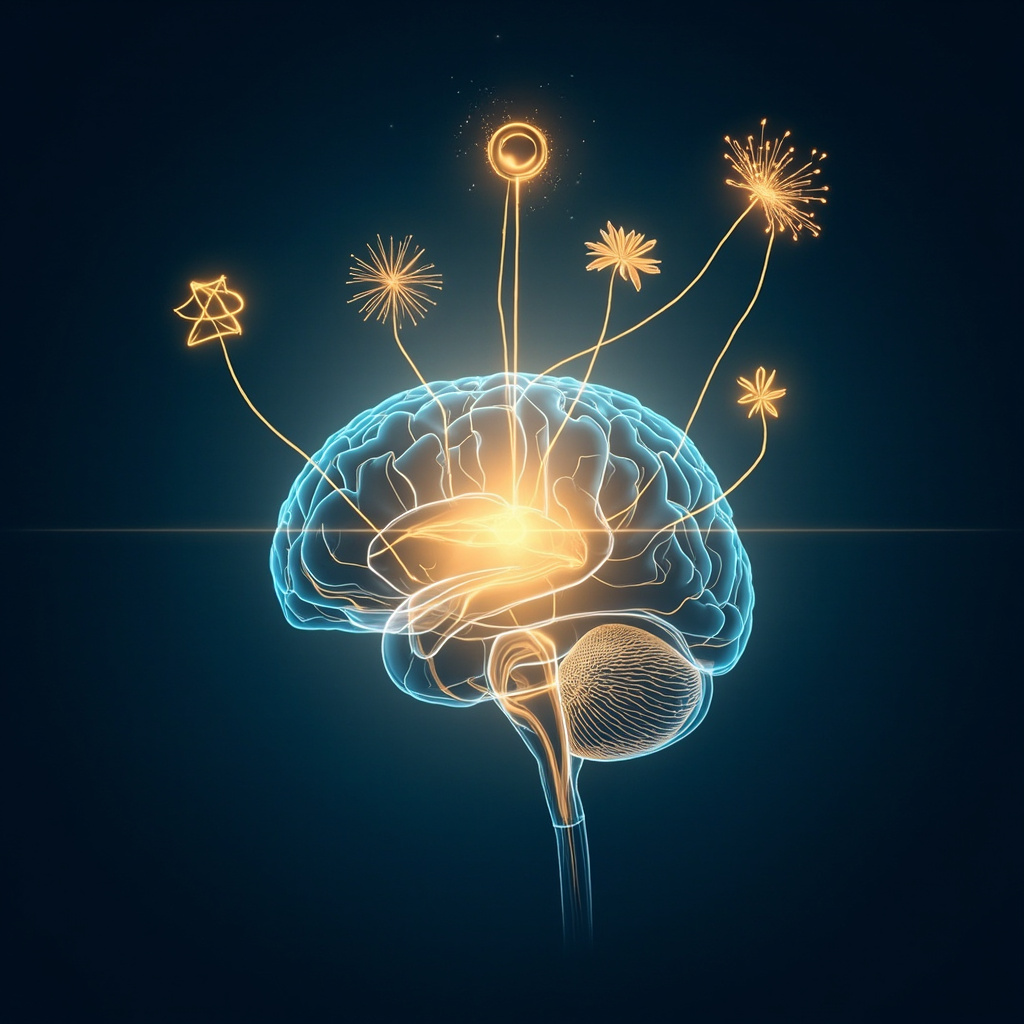
The Brain's Master Hormone Controller
Nestled at the base of your brain, in a small bony pocket called the sella turcica, sits the anterior pituitary gland. This pea-sized organ acts as a conductor, directing hormones that influence nearly every part of your body. It makes up most of the pituitary and produces six key hormones: growth hormone (GH), thyroid-stimulating hormone (TSH), adrenocorticotropic hormone (ACTH), prolactin, follicle-stimulating hormone (FSH), and luteinizing hormone (LH).
These hormones keep your growth on track, speed up metabolism, handle stress, support reproduction, and even trigger milk production after childbirth. For example, GH helps build strong muscles and bones in kids and maintains healthy body composition in adults. TSH tells your thyroid to rev up energy production, while ACTH signals adrenals to release cortisol for stress management.Learn more about the anterior pituitary
Key Hormones and What They Do
Here is a simple breakdown:
- Growth Hormone (GH): Promotes growth in children; regulates fat, muscle, and bone in adults.
- Thyroid-Stimulating Hormone (TSH): Boosts thyroid hormones for steady energy and metabolism.
- Adrenocorticotropic Hormone (ACTH): Triggers cortisol release to manage stress and inflammation.
- Prolactin: Supports lactation; influences fertility and mood.
- Follicle-Stimulating Hormone (FSH): Helps egg and sperm production.
- Luteinizing Hormone (LH): Drives ovulation in women and testosterone in men.
When balanced, these create harmony across your body. But imbalances can disrupt everything from energy to fertility.
Signs It Might Be Out of Balance
If the anterior pituitary underperforms (hypopituitarism), you may feel:
- Constant fatigue and low energy.
- Unexpected weight gain or loss.
- Feeling cold or sluggish (low thyroid).
- Fertility issues or irregular periods.
- Weak muscles or brittle bones.
Overactivity (hyperpituitarism) might cause:
- Excessive growth (gigantism or acromegaly).
- High blood pressure from too much cortisol.
- Leaky milk production without pregnancy.
Common triggers include tumors (often benign), head injuries, infections, or chronic stress. Stress is a big one-it can wear down the gland over time.
Emotional Ties to the Anterior Pituitary
Beyond physical signs, emotional struggles like feelings of powerlessness, inferiority, or identity challenges can link to anterior pituitary issues. Overwhelming responsibilities or lack of recognition might amplify these, creating a cycle where emotions affect hormone output and vice versa. Addressing inner conflicts through self-reflection or support can aid physical balance.
When strong, this gland serves as a resource, regulating other organs via hormones for overall well-being-boosting growth, steadying metabolism, and easing stress responses.
Nutrition to Nourish Your Anterior Pituitary
As a nutritionist, I focus on how diet supports biomarkers tied to nutrient levels, gut health, and metabolism. Key players for the anterior pituitary include:
- Zinc: Vital for hormone synthesis. Found in oysters, beef, pumpkin seeds.
- Magnesium: Calms stress responses. Get it from spinach, almonds, avocados.
- Omega-3 Fatty Acids: Reduce inflammation; support HPA axis. Eat fatty fish like salmon, flaxseeds.
- Vitamin D and Calcium: For bone health linked to GH. Sunlight, dairy, leafy greens.
- Iodine: Fuels thyroid via TSH. Seaweed, iodized salt, fish.
- Selenium: Protects against oxidative stress. Brazil nuts, eggs, tuna.
- B Vitamins, C, E: Aid energy and adrenal function. Whole grains, citrus, nuts.
- L-Arginine: Boosts GH. In turkey, lentils, peanuts.
- Polyphenols: Fight inflammation. Berries, green tea, dark chocolate.
Aim for a balanced plate: half veggies and fruits, quarter lean proteins, quarter whole grains. Avoid processed sugars and excess sodium, which strain hormone balance.
Daily Habits for Optimal Support
- Eat regularly to stabilize blood sugar.
- Manage stress with walks or meditation-chronic tension disrupts the gland.
- Sleep 7-8 hours; hormones recharge at night.
- Stay hydrated and active for better circulation.
Track how foods affect your energy and mood. If fatigue lingers, consider nutrient checks with a pro.
Supporting your anterior pituitary through smart eating fosters vitality, resilience, and hormonal harmony. Small changes yield big results.
- 1. medicalnewstoday.com
- 2. sciencedirect.com
- 3. pmc.ncbi.nlm.nih.gov
- 4. ifm.org
- 5. ncbi.nlm.nih.gov
- 6. pmc.ncbi.nlm.nih.gov
- 7. wapo.org
- 8. endocrine.org
- 9. ovid.com
- 10. med.libretexts.org
- 11. lamclinic.com
- 12. pacificneuroscienceinstitute.org
- 13. link.springer.com
- 14. healthdirect.gov.au
- 15. royalsocietypublishing.org
- 16. sciencedirect.com
- 17. fortishealthcare.com
- 18. pmc.ncbi.nlm.nih.gov
- 19. quizlet.com
- 20. optimaldx.com
- 21. int.livhospital.com
- 22. nature.com
- 23. jn.nutrition.org
- 24. rupahealth.com
- 25. my.clevelandclinic.org
- 26. my.clevelandclinic.org
- 27. frontiersin.org
Related posts
Glossary
- Energy and mind Structures > sodium
- Energy and mind Structures > Focused Coherence; Focus
- Energy and mind Structures > Drives
- Body zones > anterior
- Body zones > head
- Body zones > hormonal
- Body zones > hormones
- Body zones > bones
- Body zones > muscles
- Energy and mind Structures > Organs
- TCM Recipes > Stress Relief for High Blood Pressure: A TCM Approach
- TCM Recipes > Thyroid Support: Natural Remedies for Fatigue & Weight
- TCM Recipes > Circulation: Boost Energy and Warm Your Extremities
- TCM Recipes > Brain Boost: Clear Fog, Improve Focus & Memory
- TCM Recipes > Adrenal Support: Remedies for Fatigue and Stress
- TCM Recipes > Boost Your Energy: A TCM Recipe for Fatigue Relief
- Energy and mind Structures > sleep
- Energy and mind Structures > vitality
- Energy and mind Structures > blood pressure
- Energy and mind Structures > Stress
- Stimuli > IGF1, Growth
- Stimuli > Cortisol
- Stimuli > Testosterone
- Binaural beats > Inflammation Relief: Heal Faster with Binaural Beats
- Stimuli > Bone
- Stimuli > Harmony
- Stimuli > Blood
- Stimuli > GAPDH, Metabolism
see also...
- Energy and mind Structures > HRV
- Energy and mind Structures > Body zones > cerebrospinal fluid
- Energy and mind Structures > TCM Recipes > Tension Headache Relief: A Natural Approach to Ease Stress
- Testimonials > 61% Drop in Nausea and 58% in Headaches from Sound Therapy
- Binaural beats > Stimuli > Chakra Throat
- Binaural beats > Desensitizer: Boost Your Energy and Focus Effectively